Battling Brittle Hair: Can Nutritional Adjustments Restore Your Locks During Menopause?

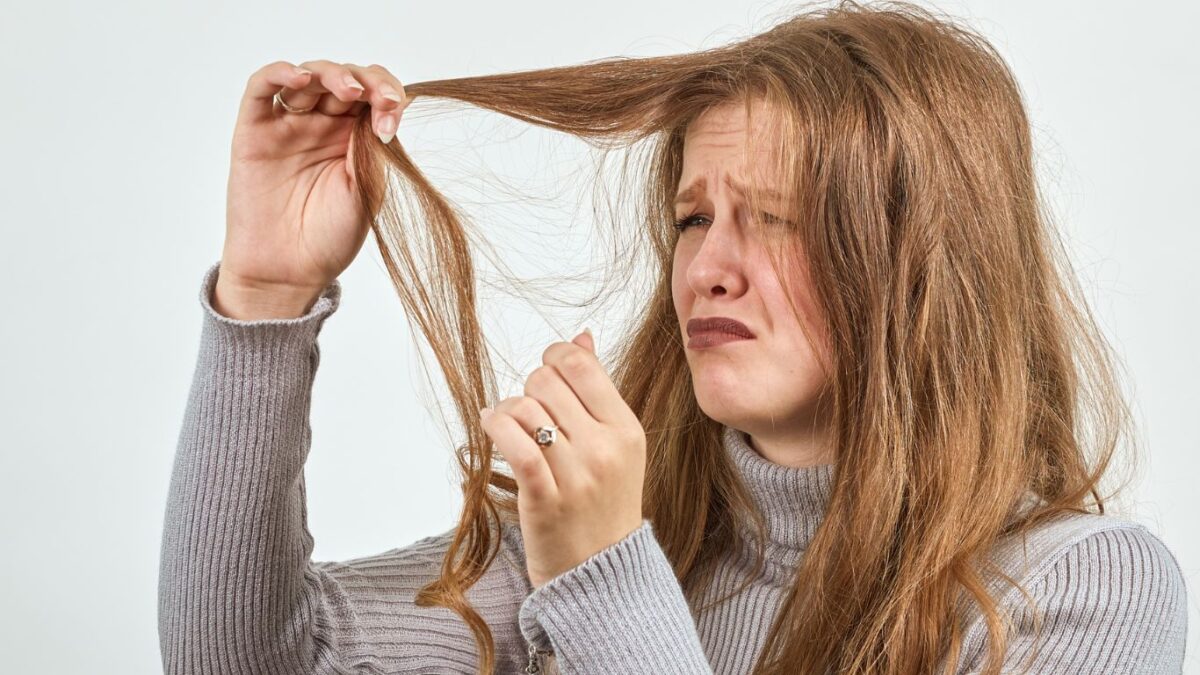
The hormonal changes that occur during menopause have a profound impact on various aspects of a woman’s health and appearance, including her hair. The reduction in estrogen levels can lead to a lack of moisture and nutrients reaching the hair follicles, resulting in dry, brittle strands. This change can be disheartening, as lustrous locks give way to hair that is prone to breakage and lacks its former vitality. It affects more than just a woman’s physical appearance. It permeates various aspects of her life, impacting her emotional health, self-esteem, lifestyle choices, and potentially indicating underlying health concerns.
Below are some of the ways in which brittle hair can affect a woman:
- Self-Esteem and Confidence: Brittle hair, which often looks dull and lifeless and is prone to breakage, can negatively impact a woman’s self-esteem and confidence. Many women associate healthy, vibrant hair with beauty and femininity, and facing issues with hair health can make them feel less attractive and self-assured. This can lead to social withdrawal, anxiety, and depression as women may avoid social interactions to escape judgment or comments about their appearance.
- Emotional Stress: Dealing with brittle hair can be emotionally stressful. The constant struggle to manage and improve the hair’s condition, coupled with unsatisfactory results, can lead to frustration and emotional distress which is harmful to overall health, potentially exacerbating the problem and leading to further hair and health issues.
- Time and Financial Investment: Women with brittle hair may find themselves investing significant time and money in efforts to restore their hair’s health. This can include purchasing specialized hair care products, treatments, and visiting hair specialists. The financial burden and time investment can add to the stress and anxiety experienced, impacting overall quality of life.
- Impact on Lifestyle Choices: Brittle hair may influence a woman’s lifestyle choices, including her hairstyle, clothing, and activities. She may avoid certain hairstyles, outdoor activities, or situations to prevent further damage to her hair or to conceal its condition. This limitation can impact her freedom, enjoyment of life, and overall happiness.
- Health Concerns: Brittle hair can also be a sign of underlying health issues, including nutritional deficiencies or hormonal imbalances. Women may be concerned about their overall health and well-being. This concern can lead to further emotional distress and prompt the need for medical consultation and intervention.
Understanding the extensive impact of brittle hair on various facets of a woman’s life, it’s time to shift our focus to the initial step in tackling and controlling this concern: examining our dietary habits. Often, the journey to robust and resilient hair begins with nourishing our bodies from within, laying a solid foundation for external health and beauty. A well-balanced diet rich in essential vitamins, minerals, and other nutrients provides the building blocks for robust, resilient hair. Conversely, nutritional deficiencies can exacerbate hair problems, leading to increased brittleness, breakage, and loss. Understanding the nutritional needs of your hair is a vital step in combating the hair issues that arise during menopause.
So, what are the key nutrients that contribute to hair health, and how can you ensure your diet is rich in them?
Biotin, also known as vitamin B7, is renowned for its role in promoting healthy hair, skin, and nails. Foods rich in biotin include eggs, almonds, and sweet potatoes. Vitamin E, a potent antioxidant, helps combat oxidative stress that can damage hair follicles. Sources of vitamin E include nuts, seeds, and leafy green vegetables. Omega-3 fatty acids, found in fatty fish, flaxseeds, and walnuts, nourish the hair, support hair thickening, and reduce inflammation that can lead to hair loss.
Adding these nutrients into your diet can make a significant difference in the health and texture of your hair. Opt for a colorful, varied diet packed with fresh fruits, vegetables, lean proteins, and healthy fats to provide a rich supply of hair-nourishing nutrients. Stay hydrated by drinking plenty of water, which helps to keep both your body and your hair adequately moisturized.
Beyond nutritional adjustments, adopting a gentle hair care routine can help manage and mitigate brittleness.
Opt for sulfate-free shampoos and conditioners, which are gentler on your hair and scalp. Limit the use of heat-styling tools, and avoid harsh chemical treatments that can weaken your hair. Regular trims can help prevent split ends and breakage, keeping your hair looking healthy and vibrant.
Hydration is not just about drinking water; it’s also about ensuring your hair retains moisture. Use gentle leave-in conditioners or hair masks to provide extra hydration and protection to your locks. Protect your hair from excessive sun exposure, which can further dry out and damage your strands, by wearing hats or using organic and gentle hair products with UV protection.
When should you seek the advice of a health professional?
Losing a few hair strands daily is a common occurrence. As per the American Academy of Dermatologists, it’s normal to lose between 50 and 100 hair strands daily. However, should you observe an amount exceeding that, or encounter more substantial clumps of hair in your brush or swirling down the drain than usual, maybe it’s time to consult your doctor. Seeking a professional evaluation can provide clarity and peace of mind regarding your hair’s condition.
Another sign to watch out for is if the brittleness is accompanied by other unusual symptoms. If you’re experiencing issues such as unexplained fatigue, skin problems, or changes in weight alongside brittle hair, these could be indicators of a more serious health condition that requires a doctor’s intervention.
If you’ve made dietary changes, adjusted your hair care routine, and tried over-the-counter remedies without any improvement, it’s time to consult a healthcare professional. Persistent brittleness despite your best efforts could be a sign that a more comprehensive medical evaluation and treatment plan are necessary.
Consult a healthcare provider, nutritionist, or a trichologist (a specialist in hair and scalp issues) for personalized recommendations and assessments. A professional can help identify any underlying issues contributing to hair brittleness and recommend targeted treatments and interventions.
References: