Why 50 is officially your Power Decade

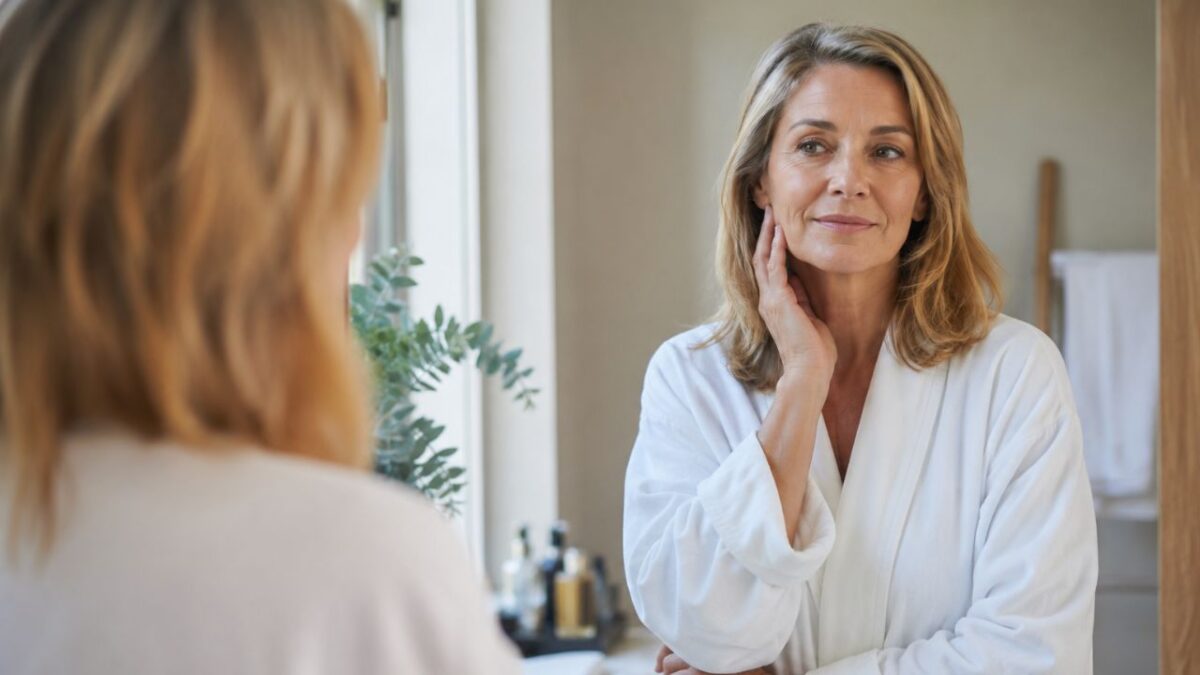
The Morning You Realize Something Has Changed
Maybe it happens while you’re getting ready for work.
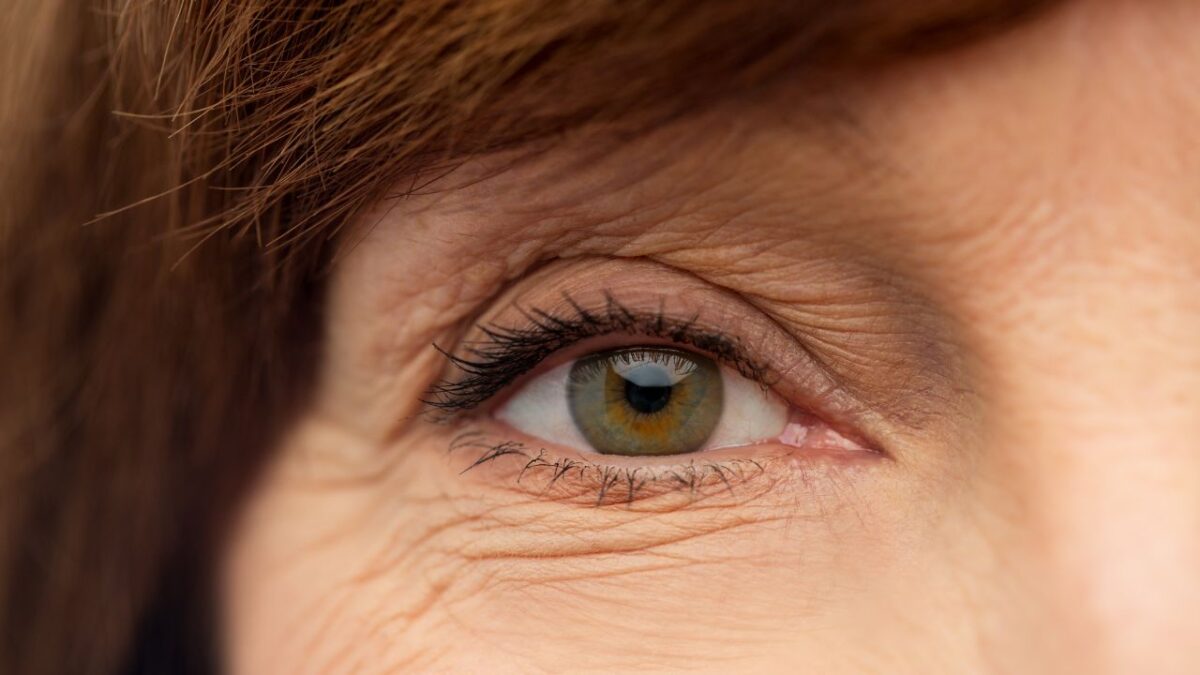
You catch yourself in the mirror. The laugh lines are deeper. Your hair has changed. Maybe your body has changed too. There are mornings when you wonder why you woke up exhausted after eight hours of sleep, or why your favorite jeans suddenly fit differently.
For a second, the old messages creep in.
“I’m getting old.”
“Maybe my best years are behind me.”
Then something unexpected happens.
You walk into a meeting and speak without apologizing.
You say no to something you would have accepted ten years ago.
You stop worrying about pleasing everyone in the room.
And later that evening, you realize something surprising:
You actually like who you’re becoming.
That quiet shift isn’t your imagination.
Across the world, researchers studying aging, psychology, and women’s health are finding something remarkable. While your body is certainly changing, many of the qualities that truly define a fulfilling life—confidence, emotional intelligence, resilience, wisdom, and self-assurance—often reach new heights during your 50s.
The decade once portrayed as “middle age” is increasingly being recognized as something far more powerful.
For many women, 50 isn’t the beginning of decline.
It’s the beginning of freedom.
The Story We’ve Been Told About Turning 50
For decades, birthdays ending in zero carried a heavy emotional weight—especially for women.
Movies joked about it.
Magazine covers warned about wrinkles before they even appeared.
Advertising suggested that youth was something to desperately preserve rather than gracefully outgrow.
The message was subtle but relentless:
Youth equals value.
Age equals invisibility.
It’s a narrative that has shaped generations of women, influencing everything from beauty standards to career expectations.
But that story was never based on the full picture.
What we’ve learned over the past two decades paints a much more hopeful—and much more accurate—portrait of life after 50.
People are living longer than previous generations. Many women today have another 30 to 40 years ahead of them after their 50th birthday. Those years aren’t simply an “ending.” They’re a substantial chapter of life, filled with opportunities to grow, create, contribute, and redefine what success looks like.
Researchers now talk less about simply increasing lifespan and more about increasing healthspan—the years spent living with good physical, mental, and social well-being.
That subtle shift changes everything.
The goal isn’t to stay 30 forever.
The goal is to become the healthiest, happiest version of yourself at every age.
Why Researchers Are Calling Midlife a Turning Point
One of the biggest misconceptions about aging is that everything steadily declines after 50.
Reality is far more interesting.
Some abilities naturally change. Muscle mass gradually decreases if we don’t actively maintain it. Hormonal shifts during perimenopause and menopause can affect sleep, mood, metabolism, and energy.
Those changes are real.
But they’re only part of the story.
Many psychological strengths actually continue developing through midlife.
Studies have shown improvements in emotional regulation, perspective-taking, conflict management, and resilience as people age. Many adults become less reactive to everyday stressors and more skilled at focusing their energy on what truly matters.
In practical terms, that might look like:
- Letting go of friendships that constantly drain you.
- Feeling less pressure to impress strangers.
- Speaking up during meetings without second-guessing every word.
- Choosing peace over proving a point.
- Prioritizing your own well-being without feeling guilty.
These aren’t signs of becoming “older.”
They’re signs of becoming more emotionally mature.
And that’s a strength that can’t be measured by birthdays.
Menopause Isn’t the End of Yourself—It’s a Transition
For many women, the years around 50 coincide with menopause.
It’s one of the biggest biological transitions a woman experiences, yet it’s often surrounded by misinformation, silence, or unnecessary fear.
Yes, hormonal shifts can bring challenges.
Hot flashes.
Night sweats.
Brain fog.
Mood fluctuations.
Sleep disruptions.
Joint discomfort.
Changes in skin and hair.
All of these can feel frustrating—sometimes overwhelming.
But menopause is not a personal failure.
Nor is it the end of vitality.
Increasingly, experts encourage women to think of menopause as a transition rather than a decline. Much like adolescence, it’s a period of adjustment as the body adapts to a new hormonal environment.
Understanding what’s happening can reduce fear and help women make informed choices about lifestyle, symptom management, and when to seek professional support.
Knowledge replaces uncertainty.
And uncertainty is often what feels most overwhelming.
Recognition Moment: The Grocery Store Realization
You’re standing in the checkout line after buying groceries.
The cashier calls you “ma’am.”
Twenty years ago, that word might have stung.
Today?
You barely notice.
Instead, you’re thinking about the vacation you’ve finally booked.
The promotion you’re pursuing.
The grandchild you’re excited to visit.
The marathon you’re training for.
Or perhaps the small business you’ve wanted to start for years.
Your priorities have shifted.
You’re no longer measuring your worth by whether strangers think you look 35.
You’re measuring it by how fully you’re living.
That’s not settling.
That’s growing.
Confidence Looks Different at 50
Confidence in your twenties often depends on external validation.
Compliments.
Performance reviews.
Social media likes.
Other people’s approval.
Confidence in your fifties often comes from something much deeper.
Experience.
You’ve survived heartbreak.
Career setbacks.
Parenting challenges.
Family illnesses.
Financial uncertainty.
Unexpected detours.
You know something your younger self couldn’t possibly know:
You can handle difficult things.
Psychologists sometimes describe this as self-efficacy—the belief that you can navigate life’s challenges because you’ve done it before.
That belief becomes one of your greatest assets.
It doesn’t make life easier.
It makes you stronger.
The Freedom of Caring Less About Everyone’s Opinion
One of the most commonly reported emotional changes among women over 50 isn’t physical at all.
It’s mental freedom.
Many women describe finally letting go of impossible expectations.
The expectation to always say yes.
To host the perfect holiday.
To maintain impossible beauty standards.
To be endlessly available.
To make everyone comfortable.
Instead, a different question begins to emerge:
“What do I actually want?”
That question can feel revolutionary.
Because for decades, many women have spent their lives caring for children, partners, parents, coworkers, friends, and communities.
By the time 50 arrives, something begins to shift.
Not selfishness.
Self-awareness.
There’s an enormous difference.
Learning to protect your own energy doesn’t make you less compassionate.
It makes your compassion sustainable.
A New Definition of Success
In your twenties, success may have meant climbing every ladder.
In your thirties, it might have been building a family or career.
In your forties, perhaps it became about balancing impossible demands.
By your fifties, many women start rewriting the definition entirely.
Success may become:
- Better sleep instead of longer work hours.
- Meaningful friendships instead of larger social circles.
- Purpose instead of prestige.
- Health instead of hustle.
- Peace instead of perfection.
This shift isn’t giving up.
It’s choosing what matters most.
And remarkably, studies on life satisfaction suggest that many people become happier as they move through later adulthood, partly because they focus more intentionally on meaningful relationships and experiences than on external achievements.
That’s not a consolation prize.
It’s one of life’s greatest rewards.
Confidence Isn’t Loud—It’s Quiet Certainty
If your younger years were about proving yourself, your fifties often become about trusting yourself.
It’s a subtle but profound shift.
You no longer feel the need to have all the answers. You become more comfortable saying, “I don’t know,” or “That doesn’t work for me.” You stop chasing perfection because you’ve learned that perfection is both exhausting and impossible.
Instead, confidence begins to look like calm.
You don’t speak louder.
You simply stop doubting your own voice.
Researchers who study adult development have found that many people become better at regulating emotions as they age. Rather than reacting impulsively to every frustration, older adults often respond with greater perspective and emotional balance. Life has taught them that not every disagreement deserves an argument and not every setback defines the future.
That doesn’t mean women over 50 stop experiencing stress or disappointment.
It means they’ve developed more tools to navigate both.
Recognition Moment: The Meeting Where You Finally Stop Apologizing
You’re sitting in a conference room.
Ten years ago, you might have started every suggestion with:
“I’m sorry, but…”
Or:
“This might be a silly idea…”
Now?
You simply say,
“Here’s what I think.”
No apology.
No unnecessary explanation.
No shrinking yourself to make others comfortable.
Your opinion carries weight—not because you’ve become louder, but because you’ve earned confidence through experience.
And perhaps even more importantly, you’ve stopped believing you need permission to contribute.
That’s one of the quiet superpowers of midlife.
Experience Becomes Your Greatest Competitive Advantage
Modern workplaces often celebrate innovation, speed, and fresh ideas.
But organizations also need something equally valuable:
Judgment.
Women in their fifties frequently bring decades of professional experience that cannot be replicated by a résumé alone.
You’ve likely learned how to:
- Navigate difficult conversations.
- Mentor younger colleagues.
- Recognize risks before they become problems.
- Stay calm during crises.
- Build trust with clients and teams.
- Adapt to changing industries.
These are leadership qualities that grow stronger over time.
In many professions, the most respected experts aren’t the newest hires—they’re the people whose wisdom comes from years of solving real-world problems.
If you’ve ever worried that turning 50 makes you “less relevant,” consider the opposite perspective.
Your experience isn’t outdated.
It’s an asset.
The key is continuing to learn while embracing everything you’ve already mastered.
The Beautiful Freedom of Stronger Boundaries
Ask many women what changed most after 50, and you’ll hear a surprisingly similar answer.
“I finally learned to say no.”
Not because they became less generous.
Because they became more intentional.
For years, many women carry invisible responsibilities that few people fully appreciate:
Remembering birthdays.
Planning holidays.
Coordinating school events.
Caring for aging parents.
Supporting adult children.
Managing households.
Balancing careers.
Being the emotional anchor for everyone else.
Eventually, something clicks.
You realize that constantly putting yourself last doesn’t make you a better partner, mother, daughter, friend, or employee.
It simply leaves you exhausted.
Healthy boundaries are not walls.
They’re doors.
You decide what comes in.
You decide what stays out.
And perhaps for the first time in years, your own needs become part of the conversation.
Recognition Moment: The Phone Call You Don’t Answer
It’s Saturday afternoon.
Your phone lights up.
Years ago, you would have answered immediately, even if you desperately needed rest.
Today, you glance at the screen.
You know the conversation can wait.
Instead, you finish your coffee while it’s still warm.
You take your walk.
You read another chapter of your book.
You call back later—with more energy and a better frame of mind.
It’s a tiny decision.
But it reflects a much bigger change.
You’ve stopped believing that your value depends on constant availability.
Friendships Become Smaller—But Much Richer
One of the unexpected gifts of midlife is clarity about relationships.
You begin investing less energy in superficial connections and more in the people who genuinely make life better.
Quality begins replacing quantity.
The friends who remain are often the ones who:
- Celebrate your successes without competition.
- Sit beside you during difficult seasons.
- Laugh until your stomach hurts.
- Understand your changing priorities.
- Accept you exactly as you are.
There’s a comforting honesty in friendships after 50.
You don’t have to pretend everything is perfect.
You don’t need to impress one another.
Sometimes the best conversations happen while walking together, gardening, sharing tea, or laughing about the absurdities of hot flashes and reading glasses.
These relationships become powerful sources of resilience.
Research consistently shows that meaningful social connections support emotional well-being, cognitive health, and even healthy aging.
In other words, your closest friendships aren’t just enjoyable.
They’re good for your health.
Your Relationship With Yourself Begins to Heal
Perhaps the most important relationship you’ll ever have is the one you’ve spent decades building with yourself.
For many women, that relationship changes dramatically after 50.
The inner critic begins to lose volume.
Instead of asking,
“How do I look?”
You begin asking,
“How do I feel?”
Instead of chasing impossible beauty standards, you become more interested in:
- Sleeping well.
- Having enough energy.
- Feeling strong.
- Protecting your peace.
- Staying curious.
- Living independently.
Appearance still matters.
But it no longer defines your worth.
That distinction is incredibly freeing.
Recognition Moment: Buying Clothes for Your Real Life
You’re shopping for a new outfit.
Years ago, you might have bought something because it looked flattering on someone else.
Now, your priorities have changed.
You ask:
“Can I move comfortably?”
“Will I actually wear this?”
“Do I feel like myself in it?”
You choose clothes that fit your life—not someone else’s expectations.
It’s not giving up on style.
It’s finally understanding your own.
Reinvention Doesn’t Have an Expiration Date
One of the biggest myths about turning 50 is that life’s biggest decisions are behind you.
In reality, many women describe this decade as a beginning.
Some launch businesses.
Some return to university.
Some finally write the novel they’ve been imagining for years.
Others change careers, travel more, volunteer, or rediscover creative passions that were put aside while raising families or building careers.
Research on adult development suggests that growth doesn’t stop in midlife. While opportunities and priorities may change, our capacity to learn, adapt, and find purpose continues throughout adulthood.
In fact, many women report feeling more willing to take thoughtful risks because they’re less driven by fear of judgment.
When you’re no longer trying to impress everyone, it’s easier to pursue what genuinely matters.
Financial Wisdom Often Replaces Financial Pressure
Although financial circumstances vary widely, many women reach their fifties with something incredibly valuable:
Perspective.
You’ve likely made financial mistakes.
Recovered from unexpected expenses.
Learned to distinguish between wants and needs.
Understood the importance of emergency savings, retirement planning, and protecting your future.
Money may still create stress.
But it often creates less uncertainty than it did decades earlier because you’ve gained experience managing it.
This stage of life also encourages many women to ask deeper questions:
- What kind of retirement do I actually want?
- What experiences matter most?
- What legacy do I hope to leave?
- How can my financial choices support my health and independence?
These questions shift the focus from accumulation to intention.
Purpose Becomes More Important Than Perfection
In your twenties, success might have been measured by promotions.
In your thirties, perhaps it centered on family milestones.
By your forties, it may have felt like survival.
Your fifties often introduce a different question:
“What makes this life meaningful?”
Purpose doesn’t have to be dramatic.
It can be found in mentoring younger women.
Caring for grandchildren.
Building stronger communities.
Creating art.
Growing a garden.
Learning a language.
Volunteering.
Traveling.
Deepening your faith.
Being fully present with the people you love.
The beauty of purpose is that it belongs to you.
It isn’t measured by social media.
It doesn’t require applause.
And unlike perfection, it’s available every single day.
Your Body Is Changing—But It’s Still Capable of Amazing Things
There may come a day when you bend down to tie your shoes and notice your knees complaining.
Or you finish a workout that once felt easy and realize you need an extra day to recover.
Perhaps you’ve noticed your balance isn’t quite what it used to be. Or that carrying heavy grocery bags takes a little more effort than it did a decade ago.
These moments can feel unsettling.
It’s easy to interpret them as signs that your body is “giving up.”
But that’s not what’s happening.
Your body is adapting to a new stage of life.
Like every stage before it, this one comes with challenges—but it also comes with opportunities. Research consistently shows that healthy habits adopted during midlife can have a profound impact on how you feel not only in your 50s but well into your 60s, 70s, and beyond.
The goal isn’t to have the body you had at 25.
The goal is to have the healthiest body possible for the life you’re living now.
Healthspan Matters More Than Lifespan
We’ve spent decades talking about living longer.
Today, experts are asking a more meaningful question:
How can we live better?
This is where the idea of healthspan comes in.
Healthspan refers to the years of life spent in good physical, mental, and emotional health—not simply the number of birthdays we celebrate.
Many of the habits that support healthspan don’t require perfection.
They require consistency.
Small, sustainable choices made over months and years often have a greater impact than dramatic lifestyle overhauls that last only a few weeks.
That’s encouraging news.
Because building a healthier future doesn’t begin with being perfect.
It begins with your next decision.
Menopause Can Be a Wake-Up Call—In the Best Possible Way
For many women, menopause becomes the moment they start paying closer attention to their health.
Not because they’re becoming fragile.
Because the hormonal shifts of midlife can make certain aspects of health more noticeable.
You may become more aware of:
- Bone health
- Heart health
- Sleep quality
- Muscle strength
- Cholesterol levels
- Blood pressure
- Blood sugar
- Mental well-being
Rather than seeing this as bad news, think of it as valuable information.
It’s an invitation to invest in yourself.
Many women who begin prioritizing strength training, regular movement, nutritious eating, stress management, and preventive healthcare during this stage report feeling stronger and more energetic than they did years earlier.
Not because aging stopped.
Because they started working with their bodies instead of against them.
Recognition Moment: The Weekend Walk
Five years ago, weekends were packed.
Children’s sports.
Birthday parties.
School events.
Errands.
Laundry.
Today, you lace up your walking shoes and head to the local park.
Not because you’re training for anything.
Simply because walking clears your mind.
Halfway through, you notice something.
You’re breathing easier.
Your shoulders have relaxed.
You smile at another walker.
You aren’t rushing.
For the first time in years, your body isn’t just carrying you through responsibilities.
It’s carrying you toward yourself.
Strength Is the New Goal
For generations, women were encouraged to focus almost exclusively on weight.
Lose weight.
Maintain weight.
Watch the scale.
Today, health experts are shifting the conversation.
Strength matters.
Muscle naturally declines with age if we don’t actively maintain it, but research shows that resistance training can help preserve muscle mass, improve balance, support bone health, and make everyday activities easier.
Strength isn’t about lifting the heaviest weights in the gym.
It’s about carrying groceries without pain.
Getting up from the floor with confidence.
Climbing stairs comfortably.
Traveling without worrying about your luggage.
Playing with grandchildren.
Living independently for decades to come.
That’s real strength.
And it’s never too late to begin building it.
Your Brain Deserves Care, Too
Have you ever walked into a room and forgotten why?
Or searched everywhere for the glasses that were sitting on your head?
If you’re in midlife, you’re not alone.
Many women notice temporary changes in memory and concentration during perimenopause and menopause. Hormonal shifts, poor sleep, stress, and busy schedules can all contribute to those frustrating moments often referred to as “brain fog.”
The good news is that these experiences are common, and for many women, they improve over time.
Supporting brain health isn’t about solving crossword puzzles alone.
It’s about caring for your whole self.
That includes:
- Prioritizing quality sleep
- Staying physically active
- Challenging your mind with new skills
- Maintaining social connections
- Managing stress
- Treating hearing or vision changes when they occur
- Discussing persistent cognitive concerns with a healthcare professional
Your brain is part of your body.
It deserves the same attention and compassion.
Recognition Moment: Learning Something New
Your daughter shows you how to use a new app.
Instead of saying,
“I’m too old for this,”
you laugh.
You try again.
You ask questions.
You eventually figure it out.
It’s a tiny victory.
But it reminds you of something important.
You’re still learning.
Still growing.
Still adapting.
Age has never canceled curiosity.
Sleep Isn’t a Luxury—It’s a Foundation
If there’s one complaint that unites many women in their 50s, it’s sleep.
Or rather, the lack of it.
Hot flashes.
Night sweats.
Anxiety.
Changing hormone levels.
Stress.
Aging parents.
Adult children.
Work.
Life.
Sometimes it all seems to arrive at 2:47 a.m.
Poor sleep affects nearly every aspect of well-being, including mood, concentration, metabolism, immune function, and heart health.
While occasional sleepless nights happen to everyone, persistent sleep problems deserve attention.
Simple habits—such as maintaining a consistent bedtime, creating a cool sleep environment, limiting caffeine late in the day, and reducing screen time before bed—may help some women sleep more comfortably.
If sleep problems become severe or significantly affect your quality of life, it’s worth discussing them with a healthcare professional.
You don’t have to simply accept exhaustion as your new normal.
Nourishing Yourself Instead of Following Every Diet Trend
By 50, many women have tried more diets than they care to count.
Low-fat.
Low-carb.
Detoxes.
Juice cleanses.
Meal replacements.
The list goes on.
Midlife often brings a refreshing realization:
Health isn’t built on extremes.
It’s built on patterns.
A nourishing eating pattern typically emphasizes:
- Colorful fruits and vegetables
- Whole grains
- Lean sources of protein
- Healthy fats
- Calcium-rich foods
- Adequate vitamin D
- Plenty of water
There’s room for celebration meals.
Birthday cake.
Holiday traditions.
Dinner out with friends.
Healthy living isn’t about perfection.
It’s about creating a way of eating you can enjoy for years—not just weeks.
Emotional Well-Being Is Health Care
Mental health doesn’t become less important with age.
If anything, it becomes even more essential.
Midlife often brings enormous life transitions:
Children leaving home.
Career changes.
Divorce.
Retirement planning.
Loss of parents.
Becoming a caregiver.
Relationship changes.
Each transition carries emotional weight.
Feeling overwhelmed from time to time is part of being human.
But persistent sadness, anxiety, hopelessness, or loss of interest in activities you once enjoyed shouldn’t be ignored.
Seeking support from a trusted healthcare professional or mental health provider isn’t a sign of weakness.
It’s an investment in your future.
Just as you wouldn’t ignore persistent chest pain, your emotional well-being deserves thoughtful attention.
The Power of Preventive Care
One of the greatest gifts you can give your future self is showing up for routine healthcare.
Preventive care isn’t about expecting bad news.
It’s about catching potential problems early, when they’re often easier to manage.
Depending on your age, personal history, and family history, your healthcare provider may recommend screenings such as:
- Mammograms
- Cervical cancer screening (when appropriate)
- Colorectal cancer screening
- Blood pressure checks
- Cholesterol testing
- Diabetes screening
- Bone density testing
- Vision and hearing evaluations
- Recommended vaccinations
These appointments may not be exciting.
But they are acts of self-respect.
Every appointment says:
“My future matters.”
When to Talk to a Healthcare Professional
While many changes during your 50s are part of normal aging or menopause, some symptoms should always be evaluated.
Consider speaking with a healthcare professional if you experience:
- Heavy or prolonged vaginal bleeding after menopause or unexpected bleeding after menopause
- Chest pain, shortness of breath, or sudden weakness
- Persistent depression, anxiety, or thoughts of self-harm
- Severe hot flashes or night sweats that significantly disrupt daily life
- Ongoing sleep problems that don’t improve
- New memory problems that interfere with everyday functioning
- Persistent pelvic pain
- Rapid, unexplained weight loss
- New lumps or concerning changes in your breasts
- Frequent falls or fractures
Remember:
Common doesn’t always mean normal.
And normal doesn’t always mean you have to simply live with it.
Many effective treatments and supportive strategies are available, and you deserve care that takes your concerns seriously.
Your Future Self Is Built One Day at a Time
It’s tempting to think that healthy aging depends on one dramatic decision.
It rarely does.
Instead, it’s built through thousands of ordinary moments.
Taking the walk.
Choosing the balanced meal.
Calling a friend.
Scheduling the check-up.
Going to bed a little earlier.
Laughing more often.
Lifting the grocery bags instead of avoiding them.
Trying something new.
Choosing progress over perfection.
These moments may seem small.
Together, they shape the decades ahead.
And perhaps that’s the most empowering truth about turning 50.
Your future isn’t written.
You’re still writing it.
The Most Powerful Version of You May Still Be Ahead
Somewhere along the way, society convinced many women that turning 50 meant becoming less.
Less visible.
Less ambitious.
Less adventurous.
Less beautiful.
Less relevant.
But if you’ve made it this far in life, you already know something that those stereotypes never understood.
Life isn’t measured by how closely you resemble your younger self.
It’s measured by how fully you become yourself.
By 50, you’ve accumulated something no cream, promotion, or social media milestone can give you overnight.
Perspective.
You know that heartbreak eventually softens.
That careers evolve.
That children grow up.
That friendships deepen.
That failure isn’t fatal.
That joy often lives in ordinary moments.
You know how resilient you are because you’ve had to prove it—to yourself.
There will still be difficult days.
Menopause may bring frustrating symptoms.
Your body may ask for more care than it once did.
Some dreams may change.
Others may finally begin.
That’s the beauty of this decade.
It’s no longer about becoming the person everyone expected you to be.
It’s about becoming the woman you’ve quietly been growing into all along.
Your fifties aren’t the closing chapter.
They’re the chapter where experience meets possibility.
Where wisdom meets confidence.
Where self-care stops feeling selfish and starts feeling necessary.
Where saying “no” creates space for more meaningful “yeses.”
Where success becomes less about applause and more about peace.
And perhaps that’s why so many women describe this decade not as the beginning of aging—but as the beginning of freedom.
The truth is, your power was never hidden inside your youth.
It was built through every challenge you survived, every lesson you learned, every boundary you finally set, and every time you chose to keep moving forward.
At 50, you aren’t starting over.
You’re starting stronger.
So if you’ve been wondering whether your best years are behind you, consider a different possibility.
Maybe your best years aren’t behind you at all.
Maybe they’re finally beginning.
Frequently Asked Questions
Is turning 50 considered old?
Not at all. While aging brings natural physical changes, many women report greater confidence, emotional resilience, and life satisfaction in their 50s than they experienced in earlier decades. With longer life expectancy and advances in preventive healthcare, 50 is increasingly viewed as the beginning of a vibrant new life stage rather than the start of decline.
Why do many women feel more confident after 50?
Confidence after 50 often comes from experience rather than external validation. Decades of navigating careers, relationships, parenting, and life’s challenges help many women trust their judgment, establish healthier boundaries, and care less about meeting unrealistic expectations.
Does menopause mean your health will decline?
No. Menopause is a normal biological transition, not a disease. Although hormonal shifts can affect sleep, mood, bone health, and other aspects of well-being, many symptoms can be managed through lifestyle strategies, appropriate medical care, and individualized treatment when needed.
Is it too late to improve your health after 50?
Absolutely not. Research suggests that adopting healthy habits during midlife—including regular physical activity, strength training, balanced nutrition, quality sleep, and preventive healthcare—can improve healthspan and support healthy aging for years to come.
How can I embrace turning 50 with confidence?
Start by focusing on what you gain rather than what you lose. Celebrate your experience, invest in your physical and emotional health, nurture meaningful relationships, continue learning, and give yourself permission to redefine success on your own terms.
Key Takeaways
- Turning 50 is increasingly recognized as a decade of confidence, purpose, and personal freedom.
- Menopause is a natural transition—not the end of vitality.
- Emotional resilience often strengthens with age.
- Healthy aging focuses on improving healthspan, not simply extending lifespan.
- Strength, sleep, nutrition, preventive care, and meaningful relationships all support well-being in midlife.
- Setting boundaries and prioritizing yourself are healthy acts of self-respect.
- Reinvention has no age limit.
References
American Psychological Association. (2023, September 1). Menopause can be rough. Psychology is here to help. https://www.apa.org/monitor/2023/09/easing-transition-into-menopause
National Institute on Aging. (2022, May 6). Research explores the impact of menopause on women’s health and aging. https://www.nia.nih.gov/news/research-explores-impact-menopause-womens-health-and-aging
National Institutes of Health, Office of Research on Women’s Health. (2026). Menopause research overview. https://discoverwhr.nih.gov/research/menopause/
The Menopause Society. (2026). Mental health. https://menopause.org/patient-education/menopause-topics/mental-health
The Menopause Society. (2026). Patient education. https://menopause.org/patient-education
Thurston, R. C., & Joffe, H. (2025). Menopause as a biological and psychological transition. Nature Reviews Psychology. https://www.nature.com/articles/s44159-025-00463-9
Disclaimer
Menopause Network does not provide medical advice, diagnosis, or treatment. Always seek the advice of your physician or other qualified health provider with any questions you may have regarding a medical condition.