Why Exercise Feels Different During Menopause

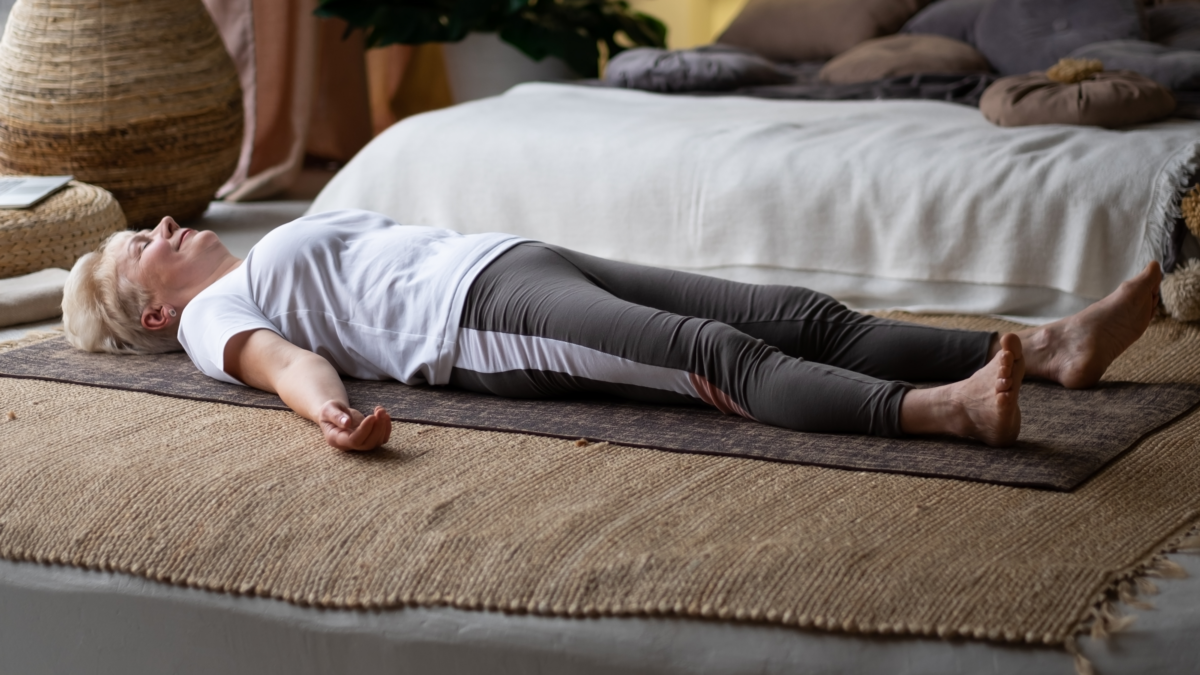
There’s a moment many people experience during midlife that almost nobody prepares them for.
You lace up your shoes.
You do the workout.
You finish the routine that used to make you feel powerful.
And instead of feeling energized…
You feel flattened.
Heavy.
Irritable.
Completely drained.
Your knees ache for two days afterward.
Meanwhile, your sleep somehow gets worse.
Your body feels inflamed instead of invigorated.
And somewhere in the middle of all of it, a thought quietly slips in:
Why doesn’t exercise work for me anymore?
It’s an unsettling feeling because movement used to feel simpler. More predictable. You exercised, you sweated, you felt accomplished.
However, menopause changes the conversation between your body, your hormones, your energy, and your nervous system.
And here’s the part many people don’t hear enough:
Your body is not betraying you. It’s communicating with you differently now.
That distinction matters.
Because so many people spend years fighting their changing bodies instead of learning how to support them.
Unfortunately, the old fitness messaging doesn’t help.
Push harder.
No excuses.
Burn more.
Stay disciplined.
Fight aging.
Bounce back.
But midlife often asks for something entirely different.
Not less movement.
Instead, it asks for smarter movement.
Kinder movement.
Movement that works with your hormones instead of against them.
And surprisingly? That shift can become one of the healthiest relationships you’ve ever had with your body.
When Your Old Fitness Routine Stops Feeling Right
For many people, the realization arrives gradually.
You start needing longer recovery periods after workouts.
The intense cardio class that once felt exhilarating now leaves you exhausted for the rest of the day.
You notice more joint pain.
More stiffness.
More fatigue.
Or maybe you’re still exercising consistently, but the results feel different.
The scale won’t budge.
Your muscle tone changes.
Your belly feels softer.
Meanwhile, your motivation disappears.
And then comes the emotional spiral.
You wonder if you’re becoming lazy.
Undisciplined.
Out of shape.
But here’s what’s actually happening behind the scenes.
Hormonal fluctuations during perimenopause and menopause affect nearly every system involved in movement and recovery:
- Estrogen influences muscle repair and joint health
- Progesterone affects sleep and recovery quality
- Cortisol sensitivity shifts under chronic stress
- Testosterone changes can impact muscle maintenance
- Bone density naturally begins to decline
- Metabolism becomes more adaptive and protective
In other words, your body isn’t responding differently because you’ve failed.
Rather, it’s responding differently because your physiology has changed.
And honestly? That realization can feel strangely relieving.
Because it means you’re not imagining it.
Why Midlife Fitness Advice Suddenly Feels So Wrong
One of the biggest frustrations during menopause is realizing most mainstream fitness advice still sounds like it was written for a 28-year-old.
Everything becomes about intensity.
High-intensity interval training.
Extreme calorie burn.
Two-a-day workouts.
“Summer body” transformations.
However, menopausal bodies often respond differently to chronic physical stress.
And this is where the conversation around movement starts to change.
Researchers are increasingly recognizing that excessive high-intensity exercise—especially when combined with poor sleep, emotional stress, under-eating, and hormonal shifts—can sometimes worsen fatigue and inflammation during midlife.
That doesn’t mean intense exercise is bad.
In fact, some people genuinely thrive on it.
But many discover that constantly pushing harder starts triggering:
- elevated stress hormones
- longer recovery times
- sleep disruption
- mood instability
- cravings
- burnout
- exercise dread
You know that feeling when your body starts resisting the very thing you’re trying so hard to force?
That.
And yet many people are still told the solution is simply more discipline.
But what if discipline isn’t the problem?
What if the real issue is that your body needs a different form of support now?
Because menopause isn’t just a hormonal transition.
It’s a nervous system transition too.
As a result, your body becomes less tolerant of depletion.
Less forgiving of extremes.
Less willing to ignore stress.
And sometimes the healthiest thing you can do is stop treating movement like punishment.
The Emotional Weight So Many People Carry Around Exercise
This conversation isn’t only physical.
It’s deeply emotional.
Many people entering menopause grew up during the peak of toxic diet culture.
As a result, exercise wasn’t presented as joy. Or strength. Or emotional wellbeing.
Instead, it was often framed as a way to:
- stay thin
- earn food
- burn calories
- remain attractive
- take up less space
- avoid aging
So when menopause changes the body—and the old strategies stop producing the same results—it can trigger something much deeper than frustration.
Grief.
Grief for the body you used to recognize.
Grief for the effortless energy you once had.
Grief for the control you thought exercise guaranteed.
And underneath that grief is often fear.
If my body keeps changing, who am I becoming?
That question sits quietly beneath so many midlife health conversations.
But here’s the truth people rarely hear:
Your body changing does not mean your body is failing.
In many ways, menopause invites people into a more mature, sustainable relationship with movement.
One based less on shrinking yourself…
and more on supporting yourself.
At first, that shift can feel uncomfortable.
Especially if your identity has always been tied to productivity, performance, or appearance.
But eventually, many people discover something unexpected.
Relief.
Because constantly fighting your body is exhausting.
Why Strength Training Matters More Now Than Ever
If there’s one form of exercise experts consistently recommend during menopause, it’s strength training.
Not because everyone needs to become a bodybuilder.
Rather, resistance training supports several major physiological systems affected by hormonal change.
Scientists reviewing menopause-focused strength training studies have found that resistance exercise may help support muscle preservation, bone health, stability, and overall menopause symptom management (Aibar-Almazán et al., 2023).
That’s a big deal during midlife, when many people begin noticing changes in strength, recovery, and physical confidence.
Strength training may help support:
- muscle preservation
- bone density
- insulin sensitivity
- balance and stability
- functional independence
- metabolic health
- confidence and resilience
And honestly, this is one of the most empowering mindset shifts many people experience.
The goal starts changing.
Instead of asking:
How small can I make myself?
People begin asking:
How strong can I feel in my own life?
That difference changes everything.
Importantly, strength training during menopause doesn’t need to look extreme.
It can mean:
- bodyweight exercises
- resistance bands
- light dumbbells
- Pilates resistance work
- functional movement training
- supervised weightlifting
Even two or three sessions per week can make a meaningful difference over time.
And perhaps most importantly?
Strength training often improves confidence in ways that have nothing to do with appearance.
You feel steadier carrying groceries.
Your posture changes.
Your balance improves.
As a result, you stop feeling fragile.
That matters.
Especially during a life stage where many people suddenly feel disconnected from their physical identity.
Walking Might Be More Powerful Than You Think
For years, walking was dismissed as “not enough.”
Not intense enough.
Not transformative enough.
Not serious enough.
But menopause has a funny way of exposing how much wellness culture confused exhaustion with health.
Because walking—simple, steady, consistent walking—can be profoundly supportive during midlife.
Emerging menopause research continues to show that regular walking and consistent low-impact movement may help support:
- cardiovascular health
- blood sugar regulation
- stress reduction
- mood stability
- sleep quality
- joint mobility
- cognitive function
And unlike punishing workouts that spike stress hormones, walking often calms the nervous system instead.
That distinction matters more than most people realize.
Especially when life already feels overstimulating.
Many people navigating menopause are also juggling:
- aging parents
- demanding careers
- teenagers or adult children
- relationship shifts
- financial stress
- chronic sleep disruption
As a result, their nervous systems are already overloaded.
So adding more physical stress isn’t always the answer.
Sometimes your body needs grounding, not punishment.
A morning walk.
An evening stroll.
A quiet podcast while moving gently through space.
Simple doesn’t mean ineffective.
In fact, midlife has a way of teaching us that sustainable habits often outperform extreme ones.
Why Recovery Suddenly Matters So Much
One of the least discussed aspects of menopause fitness is recovery.
People are taught how to exercise.
However, very few are taught how to recover.
But recovery becomes critically important during midlife because hormonal shifts affect the body’s repair systems.
You may notice:
- sore muscles lasting longer
- disrupted sleep after intense workouts
- increased inflammation
- fatigue lingering for days
- heightened sensitivity to overtraining
And here’s where many people accidentally sabotage themselves.
They interpret exhaustion as proof they need to push harder.
So they double down.
More cardio.
More classes.
Less rest.
But chronic stress—whether emotional or physical—raises cortisol. Consequently, elevated cortisol over time can influence sleep, inflammation, appetite regulation, and abdominal fat storage.
This is why many menopause specialists now emphasize balancing movement intensity with recovery quality.
In fact, a large review published in Frontiers in Medicine found that exercise interventions may significantly improve sleep quality in menopausal women—especially when movement feels sustainable rather than exhausting (Qian et al., 2023).
This isn’t only about exercise selection.
It’s also about nervous system regulation.
Rest days matter.
Stretching matters.
Hydration matters.
Protein matters.
Sleep matters.
Recovery is not laziness.
It’s biology.
And honestly, learning to rest without guilt may be one of the hardest emotional adjustments for high-achieving people entering menopause.
Because so many built their identities around endurance.
Keep going.
Push through.
Ignore discomfort.
Stay productive.
Eventually, menopause interrupts that cycle.
Not to punish you.
To protect you.
Yoga, Stretching, and Mobility Are Not “Less Than” Workouts
There’s a strange hierarchy in fitness culture.
The sweatier the workout, the more “worthy” it’s considered.
But menopause has a way of humbling that mindset.
Because suddenly flexibility matters.
Joint health matters.
Balance matters.
Mobility matters.
And many people realize they spent decades focusing only on calorie burn while ignoring how their bodies actually felt.
Yoga, stretching, tai chi, and mobility-focused movement can support:
- flexibility
- stress reduction
- posture
- balance
- fall prevention
- joint comfort
- nervous system regulation
Researchers studying movement during menopause have also found that gentler forms of exercise—including yoga, stretching, and restorative movement—may help ease stress, improve sleep quality, and support emotional wellbeing during hormonal transitions (Barker et al., 2024).
And perhaps most importantly?
These forms of movement often reconnect people with their bodies emotionally.
Not as projects to fix.
But as homes to live inside.
That emotional shift matters more than people realize.
Because many reach midlife deeply disconnected from physical self-compassion.
Movement becomes transformative when it stops being solely transactional.
Not:
How many calories did I burn?
But:
Do I feel more alive afterward?
Why “All or Nothing” Thinking Becomes So Damaging in Midlife
There’s a specific kind of perfectionism many people carry into menopause.
If they can’t do the full workout, they skip movement entirely.
If they miss one week, they assume they’ve failed.
If their body changes, they blame themselves.
But midlife rarely responds well to rigid extremes.
Life becomes more layered.
Energy fluctuates.
Stress accumulates.
Hormones shift.
And suddenly the old rules stop working.
This is where flexibility becomes essential.
A shorter walk still counts.
Ten minutes of stretching still matters.
One strength session is still beneficial.
Meanwhile, resting when your body genuinely needs rest is not failure.
Consistency during menopause often looks softer than people expect.
But softer does not mean ineffective.
In fact, sustainable movement habits are often built through adaptability, not perfection.
People who maintain lifelong health habits are rarely the ones constantly punishing themselves.
Instead, they’re usually the ones who learned how to keep returning to movement with compassion instead of shame.
That distinction changes everything.
What Your Body May Actually Need Right Now
Sometimes the healthiest thing a person can do during menopause is stop asking:
How do I force my body back into its old shape?
And start asking:
What support does my body genuinely need now?
Because the answer may surprise you.
Maybe your body needs:
- more protein to support muscle repair
- more sleep instead of more cardio
- less inflammation
- lower stress levels
- more walking
- more strength work
- gentler movement
- hydration
- physical therapy
- mobility support
- nervous system regulation
Or maybe your body simply needs you to stop treating it like an enemy.
That realization can feel emotional.
Especially for people who spent decades criticizing themselves into compliance.
But menopause often becomes a turning point.
A moment where health gets redefined entirely.
Not around punishment.
Not around appearance.
Not around shrinking.
But around:
- energy
- strength
- longevity
- peace
- functionality
- joy
And honestly?
That version of wellness is far more sustainable.
The Hidden Mental Health Benefits of Supportive Movement
One of the most overlooked aspects of movement during menopause is its impact on emotional wellbeing.
Because menopause isn’t only physical.
It can also bring:
- anxiety
- irritability
- emotional overwhelm
- mood shifts
- brain fog
- loss of confidence
- identity changes
Exercise can absolutely support mental health—but only when it isn’t becoming another source of stress.
The healthiest movement routine during menopause is often the one that helps you feel:
- calmer
- steadier
- clearer
- stronger
- emotionally regulated
That’s why many people eventually gravitate toward movement that feels emotionally nourishing instead of punishing.
A walk with a friend.
Swimming.
Dancing in the kitchen.
Pilates.
Gardening.
Stretching before bed.
It all counts.
And perhaps this is the most radical mindset shift of all:
Movement does not need to hurt to matter.
How to Rebuild Trust With Your Body Again
For many people, menopause is the first time they truly realize how disconnected they’ve become from their bodies.
Years of dieting.
Years of ignoring exhaustion.
Years of overriding stress.
Years of pushing through pain.
Eventually the body pushes back.
Not because it’s broken.
Rather, because it can’t keep whispering forever.
And this is where movement can become healing instead of punishing.
Not overnight.
Not perfectly.
But gradually.
You begin noticing:
- which workouts energize you
- which ones dysregulate you
- how sleep affects recovery
- how stress changes your stamina
- how strength training boosts confidence
- how walking calms your nervous system
Eventually, you stop chasing who you used to be.
And slowly, you start building a healthier relationship with who you are now.
That process takes time.
Especially in a culture obsessed with anti-aging and unrealistic fitness expectations.
But there’s something incredibly powerful about learning to move from self-respect instead of self-punishment.
Midlife bodies deserve that kind of peace.
Signs Your Exercise Routine May Need to Change
Your body may be asking for a different approach to movement if:
- workouts consistently leave you exhausted
- your sleep worsens after exercise
- you experience ongoing joint pain
- recovery takes several days
- movement increases anxiety instead of relieving it
- you dread workouts constantly
- you feel physically depleted rather than energized
- your body feels inflamed all the time
This doesn’t necessarily mean stopping exercise.
Instead, it may simply mean adjusting:
- intensity
- duration
- frequency
- recovery strategies
- nutrition support
- workout timing
And if symptoms feel severe or disruptive, it’s important to speak with a healthcare provider.
For example, underlying conditions like thyroid disorders, iron deficiency, sleep apnea, autoimmune issues, and chronic stress can also affect energy and exercise tolerance during midlife.
You do not have to figure this out alone.
The Best Exercise During Menopause Might Surprise You
Many people ask:
What’s the single best exercise during menopause?
But the real answer is more nuanced.
The most supportive movement during menopause is usually the kind that:
- supports your nervous system
- preserves strength and mobility
- feels sustainable
- improves energy over time
- supports long-term health
- helps you stay consistent
- leaves you feeling better overall
For many people, that becomes a combination of:
- strength training
- walking
- mobility work
- stretching
- low-impact cardio
- restorative movement
Not because these are trendy.
Rather, because they support the realities of a changing body.
And perhaps the most beautiful part of this entire transition is realizing that health doesn’t need to look punishing to be meaningful.
You do not have to earn rest.
You do not have to destroy your body to prove commitment.
You do not have to spend midlife at war with yourself.
There is another way.
And many people discover it’s healthier than anything they tried before.
Conclusion: This Isn’t About Exercising Less — It’s About Exercising Smarter
Menopause changes movement.
That part is real.
But different does not mean worse.
Your body may no longer thrive under the same routines it once did. However, while that adjustment can feel frustrating at first, it can also become an invitation.
To move with more awareness.
More compassion.
More sustainability.
To stop treating exercise as punishment.
And instead, start treating movement as support.
Because this chapter isn’t about shrinking yourself to fit outdated expectations.
It’s about becoming steadier.
Stronger.
More connected to yourself.
And perhaps for the first time in a very long time…
Movement can become something that helps you feel at home in your body again.
Your Body Isn’t Asking You to Punish It
Maybe your body doesn’t need harsher routines right now.
Maybe it needs more support, more strength, and a different kind of care.
At Menopause Network, we believe movement during midlife should help you feel more connected to yourself—not more exhausted by impossible expectations.
Explore more honest, research-backed conversations on menopause, hormones, sleep, energy, emotional wellbeing, and the everyday realities of living in a changing body.
Because you deserve health advice that actually feels human.
Disclaimer: This content is for informational purposes only and is not a substitute for professional medical advice, diagnosis, or treatment. Always consult your healthcare provider before making any decisions about your health, especially related to medication, hormones, or sexual wellbeing. Every body is different, and what works for one person may not work for another.
References
Aibar-Almazán, A., Voltes-Martínez, A., Castellote-Caballero, Y., Afanador-Restrepo, D. F., Carcelén-Fraile, M. D. C., & López-Ruiz, M. D. C. (2023). The efficacy of strength exercises for reducing the symptoms of menopause: A systematic review. Journal of Clinical Medicine, 12(2), 548. https://doi.org/10.3390/jcm12020548
Barker, L. C., Greig, C. A., & Chastin, S. F. M. (2024). The impact of physical activity and exercise interventions during menopause transition and post-menopause: A review of current evidence. BMC Women’s Health, 24(1). https://doi.org/10.1186/s12905-024-03243-4
Qian, J., Sun, S., Wang, M., Sun, Y., Sun, X., Jevitt, C., & Yu, X. (2023). The effect of exercise intervention on improving sleep in menopausal women: A systematic review and meta-analysis. Frontiers in Medicine, 10, 1092294. https://doi.org/10.3389/fmed.2023.1092294