Why You’re Gaining Weight Even Though You’re Eating the Same: Understanding Menopause Metabolism

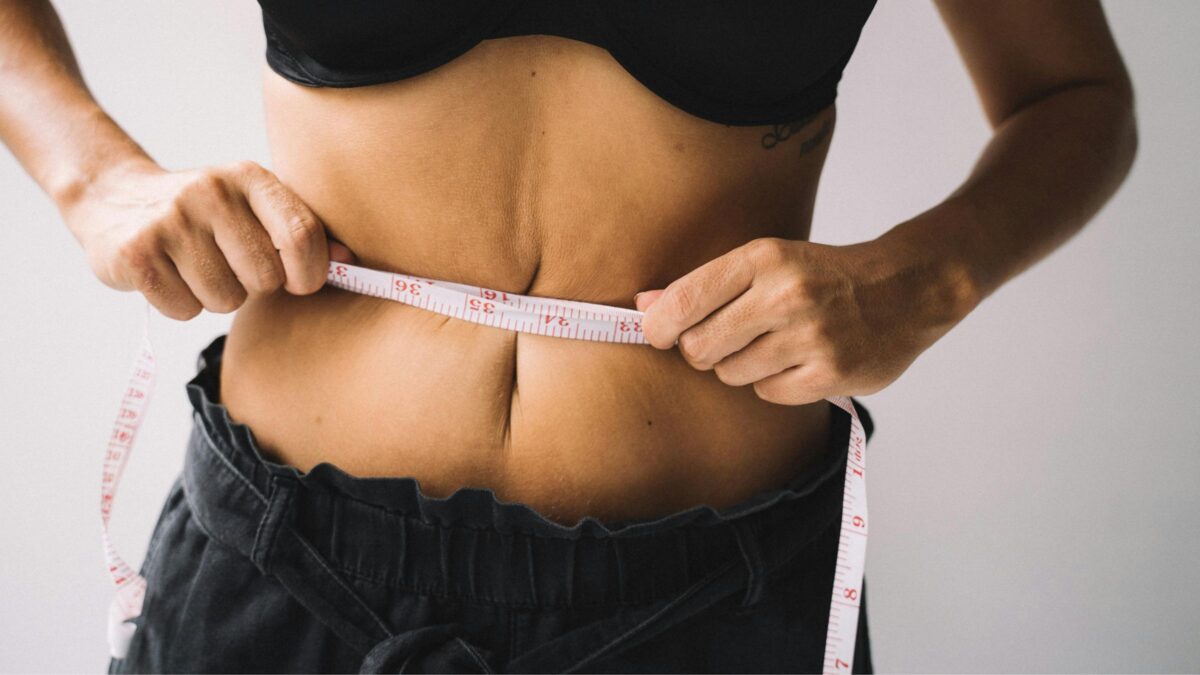
You haven’t changed your breakfast.
You still enjoy the same lunchtime salad. Dinner looks much like it did a few years ago. Yet somehow, your favorite jeans refuse to button, and the number on the scale keeps creeping upward.
It’s confusing. Frustrating. And if you’re honest, it’s starting to make you question yourself.
“Am I eating more than I think I am?”
“Am I just getting older?”
“Why does it feel like my body doesn’t play by the same rules anymore?”
If these questions have crossed your mind, you’re in good company. Weight gain is one of the most common concerns women experience during midlife. What makes it especially discouraging is that it often happens even when eating habits haven’t changed.
The good news is this: you’re not imagining it, and you’re not failing.
Understanding menopause metabolism begins with recognizing that your body is navigating one of the biggest hormonal transitions of your life. While eating habits still matter, they’re only one piece of a much larger picture that includes changing hormones, muscle mass, sleep, daily movement, and the natural aging process.
Let’s look at what’s really happening, and more importantly, what you can do about it.
It Isn’t “Just Weight Gain.” Your Body Is Changing in Several Ways
Many women describe menopause as the moment their body suddenly stopped feeling familiar.
Perhaps you’ve noticed that weight seems to settle around your waist instead of your hips. Maybe your clothes fit differently even if the scale hasn’t changed much. Or perhaps you’ve been eating the same meals for years, yet they’re producing completely different results.
These experiences are incredibly common.
The Mayo Clinic explains that weight gain during menopause isn’t caused by a single factor. Instead, hormonal changes, aging, lifestyle, genetics, and declining muscle mass all work together to influence body weight and body composition.
That’s an important distinction.
Because if multiple factors contribute to weight gain, it also means there isn’t one simple explanation or one quick fix.
What Does Menopause Metabolism Actually Mean?
When people talk about metabolism, they often picture a calorie-burning furnace that suddenly slows to a crawl during menopause.
That’s not how metabolism works.
Your metabolism is the collection of processes your body uses to convert food into energy. It fuels everything from breathing and digestion to repairing tissues and keeping your heart beating. Even while you’re asleep, your metabolism is working.
Recent research published in the Journal of Cachexia, Sarcopenia and Muscle suggests that the relationship between menopause and metabolism is more complex than many people realize. Rather than menopause suddenly causing a dramatic drop in calorie burning, several interconnected changes begin happening around the same time.
Those changes include shifts in hormone levels, gradual muscle loss, alterations in body fat distribution, changes in physical activity, and sleep disturbances.
In other words, menopause doesn’t flip a switch that turns your metabolism “off.”
It changes the environment in which your metabolism operates.
Estrogen Influences More Than Your Reproductive Years
Most of us grow up learning that estrogen regulates menstrual cycles and fertility.
What often gets left out is that estrogen also affects many systems involved in metabolic health.
A narrative review published in Climacteric explains that declining estrogen contributes to changes in where fat is stored. Before menopause, women tend to store more fat around the hips and thighs. As estrogen levels decline, fat is more likely to accumulate around the abdomen.
That’s why many women notice their waistline changing, even if their overall weight hasn’t increased dramatically.
This shift isn’t simply about appearance.
Abdominal fat, particularly visceral fat that surrounds internal organs, has been associated with an increased risk of cardiovascular disease and type 2 diabetes. That’s one reason healthcare professionals often encourage women to think beyond the number on the scale and focus on overall metabolic health.
Understanding this can also help quiet an inner voice that says, “I must be doing something wrong.”
You’re witnessing a biological change that researchers have been studying for years.
The Muscle You Can’t See Matters More Than You Think
Here’s something that surprises many women.
Your muscles are among the biggest contributors to the energy your body uses every day.
As we age, we naturally begin losing lean muscle mass, a process known as sarcopenia. According to the Mayo Clinic, this gradual loss of muscle can reduce the number of calories your body needs at rest.
During menopause, declining estrogen may make preserving muscle even more important.
That doesn’t mean your resting metabolism suddenly crashes overnight. The recent review in the Journal of Cachexia, Sarcopenia and Muscle emphasizes that researchers now view menopause-related metabolic changes as the result of multiple overlapping factors rather than one dramatic decline in resting metabolic rate.
Still, even small changes can add up over time.
If your body requires slightly fewer calories than it did five or ten years ago, continuing to eat exactly the same amount may gradually contribute to weight gain, especially when combined with changes in body composition.
Perhaps even more importantly, losing muscle affects far more than calorie burning.
Strong muscles support balance, mobility, bone health, and independence as we age. Protecting muscle isn’t simply about maintaining your weight. It’s about maintaining your quality of life.
Why Eating the Same Can Still Lead to Weight Gain
This is often the question women ask first.
“If my diet hasn’t changed, why has my weight?”
The answer isn’t necessarily that you’re eating “too much.” Instead, your body may be responding differently to the same habits than it did before menopause.
Think of it this way. Imagine driving the same route every day, but now you’re carrying extra passengers and climbing steeper hills. You’re using the same amount of fuel, but the conditions have changed.
Your body works in a similar way.
During menopause, several changes can influence how your body manages energy, even if your meals look exactly the same.
Sleep May Be Working Against You
How many nights have you been awakened by a hot flash… only to spend the next hour staring at the ceiling?
For many women, disrupted sleep becomes one of the earliest and most persistent menopause symptoms.
The Mayo Clinic notes that poor sleep can indirectly contribute to weight gain by affecting appetite, energy levels, and daily activity. After a restless night, you’re more likely to feel fatigued, less motivated to exercise, and more inclined to reach for convenient, high-calorie foods simply because you’re running on empty.
That doesn’t mean one bad night’s sleep causes weight gain.
But when poor sleep becomes the norm, those small daily changes can gradually influence body weight.
You May Be Moving Less Without Realizing It
When we think about exercise, we often picture workouts at the gym.
But there’s another form of movement that’s just as important.
Walking around the house.
Taking the stairs.
Standing while folding laundry.
Gardening.
Parking a little farther away.
These everyday movements add up.
During menopause, fatigue, aching joints, interrupted sleep, or lower energy levels may cause women to move a little less throughout the day without consciously deciding to do so.
The decrease may be subtle.
You sit a little longer.
You skip the evening walk.
You choose convenience because you’re simply exhausted.
Individually, these moments seem insignificant. Together, they can reduce your overall energy expenditure enough to influence weight over time.
The Biggest Myth About Menopause Metabolism
One of the most common misconceptions is that menopause completely “shuts down” your metabolism.
Current evidence doesn’t support that idea.
A 2024 review published in Revue Médicale Suisse explains that menopause-related weight gain cannot be attributed to estrogen alone. Instead, body weight is influenced by a combination of hormonal changes, natural aging, reduced lean muscle mass, lifestyle factors, and genetics.
That’s actually encouraging news.
If there isn’t one single cause, there isn’t one single thing to blame.
And there certainly isn’t one miracle solution.
It’s understandable to be tempted by supplements, detoxes, or products promising to “boost your metabolism.” But none of the approved references for this article support those claims as reliable solutions for menopause-related weight gain.
Your body deserves better than quick fixes built on unrealistic promises.
What Actually Helps Support a Healthy Menopause Metabolism?
Although menopause changes your body, it doesn’t leave you powerless.
The International Menopause Society emphasizes that healthy lifestyle habits remain the cornerstone of managing weight during midlife. The goal isn’t to fight your body. It’s to support it as its needs evolve.
Build and Protect Your Muscle
If there is one habit that consistently stands out in menopause guidance, it’s preserving lean muscle.
Strength training helps maintain muscle as you age, supporting mobility, balance, and overall metabolic health.
That doesn’t mean spending hours in a gym.
Resistance bands.
Bodyweight exercises.
Free weights.
Even starting with two sessions each week can be a meaningful step, especially if you’ve never done strength training before.
Focus on Nourishment, Not Restriction
Many women respond to unexpected weight gain by eating less and less.
Ironically, extreme restriction can make it harder to meet your nutritional needs and maintain muscle mass.
Rather than chasing the latest diet trend, focus on building meals around foods that support long-term health:
- Lean sources of protein
- Vegetables and fruits
- Whole grains
- Legumes
- Healthy fats
- High-fiber foods
The approved research doesn’t support one “perfect menopause diet.” Instead, it consistently points toward sustainable eating patterns that nourish the body over time.
Keep Moving in Ways You Enjoy
Exercise shouldn’t feel like punishment for gaining weight.
Find movement you genuinely enjoy.
Walking with a friend.
Swimming.
Cycling.
Dancing.
Strength training.
Yoga.
Consistency almost always matters more than intensity.
The best exercise is the one you’ll still be doing six months from now.
Don’t Ignore Symptoms That Affect Your Daily Life
If hot flashes, night sweats, poor sleep, or other menopause symptoms are making it difficult to stay active or care for yourself, don’t assume you simply have to live with them.
The International Menopause Society encourages women to discuss troublesome menopause symptoms with their healthcare professional. Managing those symptoms may make it easier to maintain healthy habits that support overall wellbeing.
Perhaps the most important message is this:
You don’t have to navigate menopause alone.
Your Health Is About More Than the Number on the Scale
It’s easy to let the scale become the judge of whether you’re “doing well.”
But menopause invites us to look at health differently.
Imagine two women who both weigh the same today as they did six months ago.
One has become stronger through resistance training, sleeps more soundly, and has more energy to play with her grandchildren. The other feels exhausted, has lost muscle, and struggles with everyday tasks.
The scale tells only part of the story.
A narrative review published in Climacteric highlights that menopause is associated with changes in body composition, not just body weight. In other words, you may lose muscle while gaining fat, even if your weight changes very little.
That’s why paying attention to how you feel, how strong you are, and how your overall health is improving can be just as meaningful as watching the numbers on the scale.
A Different Way to Think About Midlife Weight Gain
Many women spend years believing they need to “fix” their bodies.
But perhaps menopause is asking something different of us.
Instead of trying to recreate the body you had at 30, what if your goal became supporting the body you have today?
That shift doesn’t mean giving up.
It means replacing guilt with understanding.
It means recognizing that your body has carried you through decades of work, family, stress, celebrations, and change. It deserves care, not criticism.
And it means understanding that healthy habits aren’t a punishment for gaining weight. They’re an investment in your future health, mobility, independence, and confidence.
Conclusion
If you’ve been gaining weight even though you’re eating the same, you’re asking a question that countless women ask during menopause.
The answer is rarely as simple as eating too much or exercising too little.
As the approved research shows, menopause metabolism is influenced by a combination of hormonal changes, gradual muscle loss, shifting body fat distribution, sleep quality, daily movement, and the natural aging process. No single factor tells the whole story, and no single solution can address every change.
The encouraging news is that your body isn’t working against you.
It’s adapting.
By understanding what’s happening beneath the surface, you can replace frustration with knowledge and choose habits that support your health for years to come. Building strength, eating nourishing foods, staying active in ways you enjoy, and seeking help for troublesome menopause symptoms are all meaningful steps forward.
Most importantly, remember this:
You haven’t failed your body. Your body is simply asking for something different than it did before.
Continue Your Menopause Wellness Journey
Now that you understand why menopause can affect your metabolism, the next step is finding practical ways to support your health. These free Menopause Network resources can help you turn today’s insights into everyday habits.
🥗 Balanced & Vibrant: A 4-Week Menopause-Friendly Meal Plan
Discover nourishing meal ideas that support healthy eating during menopause without restrictive dieting.
💪 Beginner’s 7-Day Workout Planner
Strength training is one of the best ways to maintain muscle as you age. This beginner-friendly planner helps you build a routine you can stick with.
📋 Perimenopause Tracker (Weekly Tracker)
Track your symptoms, energy levels, and progress to better understand how your body changes over time and identify patterns you can discuss with your healthcare provider.
🛒 7-Day Menopause-Friendly Meal Plan + Shopping List
Take the stress out of meal planning with a ready-to-use guide and shopping list designed for busy women.
Disclaimer
This content is for informational purposes only and is not a substitute for professional medical advice, diagnosis, or treatment. Always consult your healthcare provider before making any decisions about your health, especially those related to medication, hormones, supplements, or sexual wellbeing. Every woman’s body is different, and what works for one may not work for another.
References
Davis, S. R., Lambrinoudaki, I., Lumsden, M., Mishra, G. D., Pal, L., Rees, M., Santoro, N., Simoncini, T., & Baber, R. (2021). Weight, shape, and body composition changes at menopause: A narrative review. Climacteric, 25(2), 109-118. https://pmc.ncbi.nlm.nih.gov/articles/PMC8569454/
International Menopause Society. (2026). IMS recommendations on women’s midlife health and menopause hormone therapy. https://www.imsociety.org/wp-content/uploads/2026/03/IMS-Recommendations-Full-Document.pdf
Mayo Clinic Staff. (2025). The reality of menopause weight gain. Mayo Clinic. https://www.mayoclinic.org/healthy-lifestyle/womens-health/in-depth/menopause-weight-gain/art-20046058
Michaud, A., & Doucet, É. (2024). Weight gain during menopause: Physiology and practical implications. Revue Médicale Suisse. https://pubmed.ncbi.nlm.nih.gov/38506458/
Pfeifer, M., et al. (2025). A narrative review of energy expenditure and substrate oxidation during menopause. Journal of Cachexia, Sarcopenia and Muscle. https://pubmed.ncbi.nlm.nih.gov/41860241/