Say Goodbye to Hair Shedding Woes

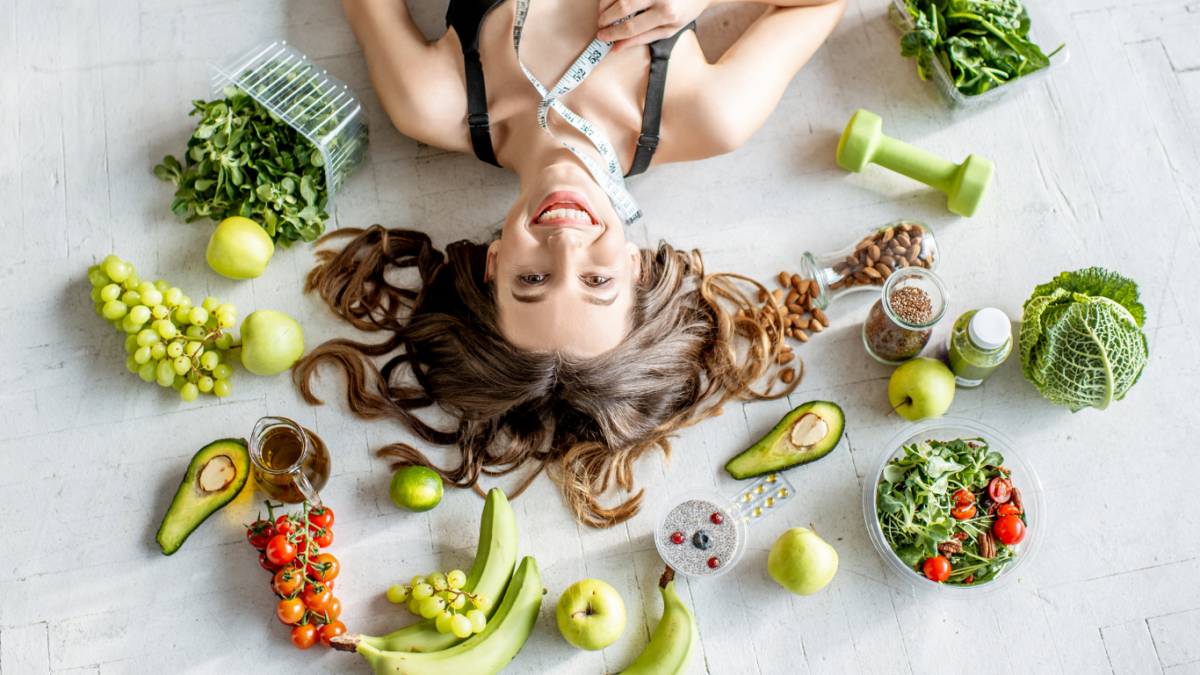
Menopause can be a wild ride, and one of the less pleasant aspects is hair thinning. But fear not! There’s a delicious way to tackle this issue. By incorporating some tasty foods into your diet, you can nourish your locks and promote thicker, healthier hair during this transformative phase. So, let’s dig in and discover these fabulous foods that will have your hair saying, “Hello, gorgeous!”

  1. Eggs – The Hair Superheroes: Who knew that those humble eggs sitting in your fridge could be hair superheroes? Packed with protein and biotin, eggs provide the building blocks for strong, luscious hair. Whip up some scrambled eggs, enjoy a veggie omelet, or simply go for a perfectly boiled egg. Your hair will thank you!
  2. Go Nuts for Nuts: When it comes to healthy hair, nuts are your nutty buddies! Almonds, walnuts, and Brazil nuts are rich in omega-3 fatty acids, vitamin E, and zinc. These nutrients work together to nourish your scalp, strengthen your hair follicles, and keep those strands looking fabulous. Snack on a handful of mixed nuts or sprinkle them over your salads and yogurt.
  3. Spinach – Popeye’s Secret for Gorgeous Hair: Remember how Popeye would gobble down his spinach for extra strength? Well, he knew a thing or two about promoting healthy hair too! Spinach is loaded with iron, vitamins A and C, and folate – all essential for maintaining hair health. Toss some fresh spinach into your salads, whip up a green smoothie, or sauté it as a tasty side dish.
  4. Berrylicious Beauty Boosters: Berries aren’t just a sweet treat; they’re also a fantastic way to enhance hair health! Blueberries, strawberries, and raspberries are packed with antioxidants that help protect your hair follicles from damage. Plus, they’re rich in vitamin C, which aids in collagen production and strengthens your hair. Enjoy a bowl of mixed berries as a refreshing snack or add them to your morning cereal or yogurt.
  5. Fish – Dive into Hair-Boosting Goodness: Time to make friends with the fishes! Fatty fish like salmon, mackerel, and sardines are loaded with omega-3 fatty acids, which nourish your scalp and promote hair growth. They also provide vitamin D, which plays a role in hair follicle health. So, fire up the grill and savor a delicious fish dish for dinner.
  6. Greek Yogurt – Creamy Goodness for Gorgeous Hair: Greek yogurt isn’t just a tasty treat; it’s a powerhouse for your hair too! Packed with protein, vitamin B5 (pantothenic acid), and vitamin D, Greek yogurt helps strengthen your hair follicles and promote healthy growth. Enjoy it on its own, or top it with your favorite fruits and a sprinkle of nuts for a hair-loving snack.

Who says you can’t have your cake and eat it too? When it comes to hair health during menopause, these delectable foods can make a real difference. Incorporate eggs, nuts, spinach, berries, fish, and Greek yogurt into your diet, and watch your locks transform into a crown of lusciousness. So, grab that shopping list, head to the grocery store, and let your taste buds and hair follicles rejoice in this flavorful journey to thicker, healthier hair during menopause.

Bon appétit and happy hair days ahead!
Understanding and Managing Hair Loss During Menopause

As women, we go through a myriad of biological changes throughout our lifetime. Menopause, one of the significant phases of a woman’s life, is accompanied by several symptoms that can often be overwhelming. Among the numerous changes women face during this time, hair loss, although not as frequently discussed, is a common phenomenon.

The Biology Behind Menopause and Hair Loss

Hair loss or thinning during menopause is primarily attributed to hormonal changes. Hair growth is heavily influenced by hormones, and a decrease in estrogen and progesterone can lead to slower hair growth and thinner strands. Additionally, menopause causes an increase in androgens, a group of male hormones, which can shrink hair follicles, leading to hair loss.

Recognizing Hair Loss During Menopause

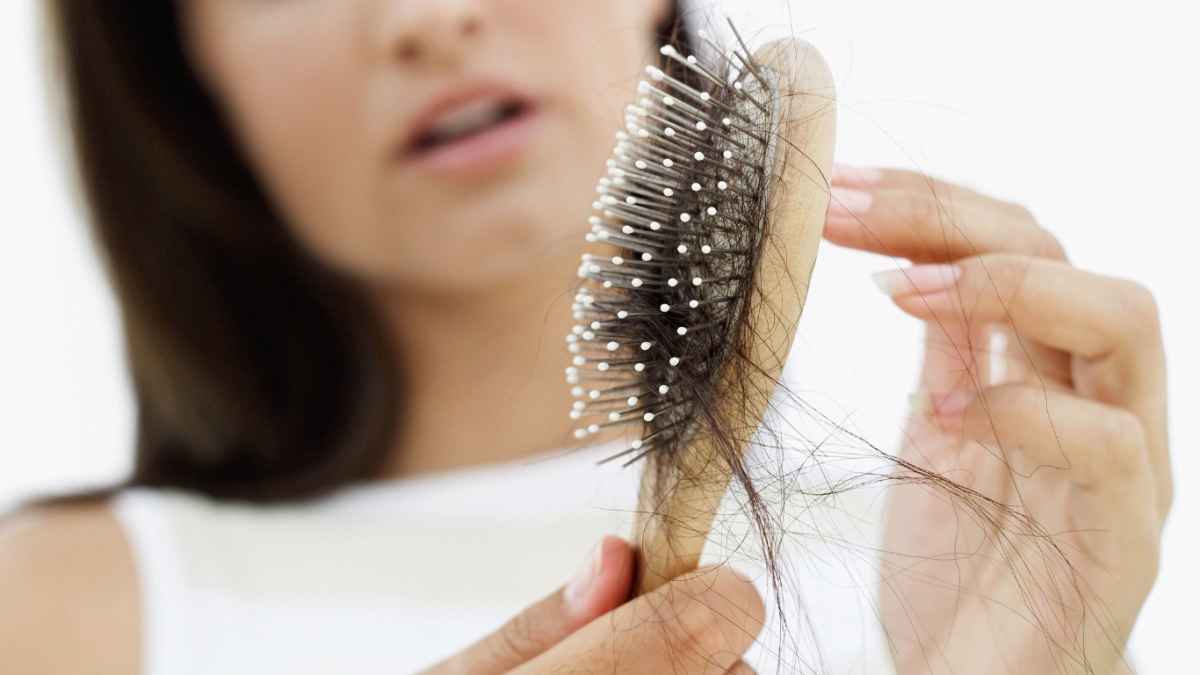
The first step in managing menopausal hair loss is recognizing it. Hair loss during menopause typically presents as a general thinning across the entire scalp rather than localized bald spots. You may notice more hair than usual in your brush, on your pillow, or in the drain after showering. The hair itself may also feel less dense and look less voluminous.

How to Manage Menopausal Hair Loss

Understanding that hair loss during menopause is a common occurrence can be reassuring, but that doesn’t mean you have to simply accept it. There are several steps you can take to manage hair loss and promote hair health during menopause:

  1. Balanced Diet: Eating a balanced diet rich in vitamins and minerals can help to support hair health. Specifically, nutrients like iron, vitamin D, B-vitamins, and omega-3 fatty acids are known to contribute to healthy hair.
  2. Regular Exercise: Regular physical activity can help to regulate hormones and promote overall health, which can positively affect your hair’s health.
  3. Avoid Damaging Hair Practices: Try to avoid hairstyles that pull tightly on the hair, excessive use of heat styling tools, and harsh chemical treatments that can damage the hair and lead to breakage.
  4. Gentle Hair Care Routine: Use a gentle, volumizing shampoo and a moisturizing conditioner to nourish your hair. Consider using a wide-toothed comb to prevent breakage.
  5. Stress Management: High levels of stress can contribute to hair loss. Techniques such as mindfulness, meditation, yoga, and deep breathing can help manage stress levels.
  6. Consult a Healthcare Professional: If you are finding your hair loss difficult to manage, it might be worth consulting a healthcare professional. They can provide personalized advice and may recommend treatments such as minoxidil (Rogaine), hormone replacement therapy, or other treatments as appropriate.

Embracing Change

Though hair loss during menopause can be unsettling, it’s essential to remember that menopause is a natural part of life – a transition, not a disease. In many ways, it’s a testament to our strength and resilience as women. However, it’s also important to remember that you’re not alone in this journey. Reach out to health professionals and support groups, who can provide you with valuable resources and reassurance.

Every woman’s experience with menopause is unique. Be patient with yourself, listen to your body, and seek support when needed. Remember, your worth is not defined by your hair or any physical change you go through during this transition. You are more than your menopause. You are a woman of wisdom, experience, and beauty – and nothing can take that away.