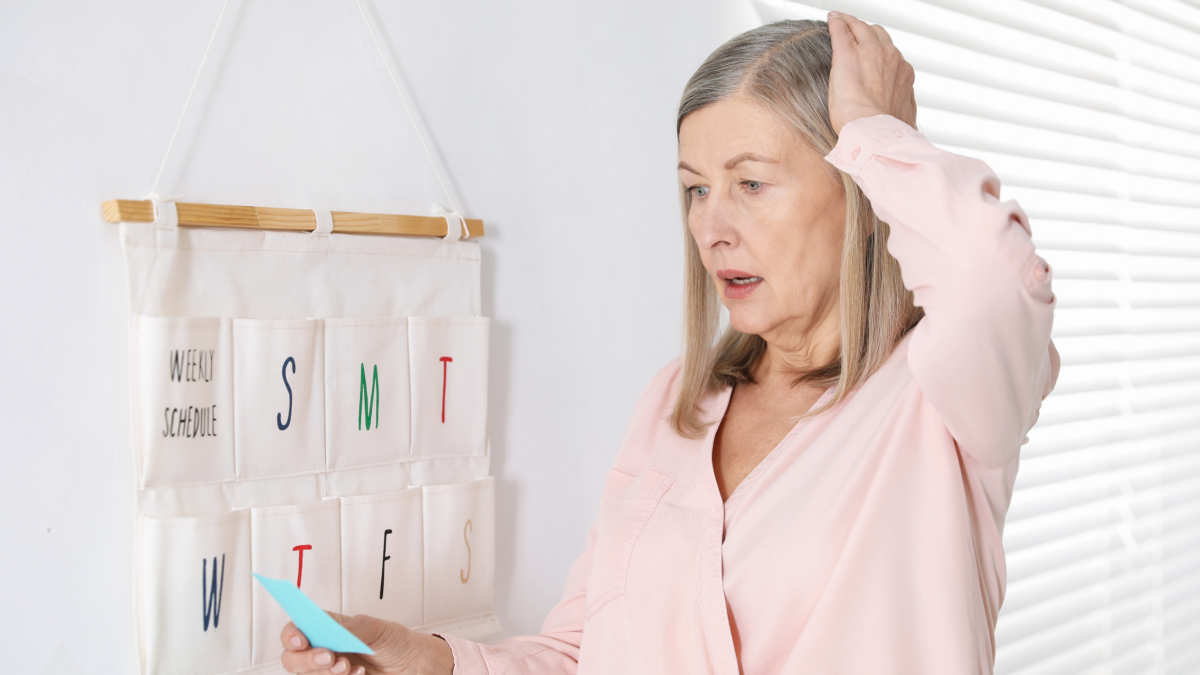
Hot Flashes in Real Life: The Meetings, The Nights, The Moments No One Sees

Hot flashes have a way of arriving at the worst possible moment.

Not when you’re relaxing quietly at home with nobody around. Not during peaceful evenings when you can comfortably peel off layers and laugh it off privately. Instead, they tend to appear in the middle of real life—during conversations, meetings, grocery runs, long drives, dinner reservations, or moments when you’re already trying hard to hold everything together.

One minute, everything feels completely normal.

Then suddenly, a wave of heat rises through your chest and neck so quickly it almost feels surreal. Your face warms instantly. Sweat gathers near your hairline. Your heartbeat shifts. And while everyone around you continues talking as if nothing has changed, your entire body suddenly feels impossible to ignore.

So you smile through it.

You keep nodding.

You try to stay focused while internally wondering one thing:

Can other people tell?

That’s the part of menopause hot flashes many people don’t talk about enough. Conversations often focus on the symptom itself, but rarely on the emotional experience of living through it in everyday life. Because hot flashes aren’t just physical. They can affect confidence, concentration, sleep, emotional wellbeing, and the quiet relationship many women have with their own bodies.

And for many people navigating perimenopause and menopause, that emotional disruption is often the part that lingers the longest.

Hot Flashes Are Common—But They’re Often Misunderstood

Hot flashes are one of the most recognized menopause symptoms, yet they remain surprisingly misunderstood by those who haven’t experienced them personally.

From the outside, they can sound simple. A person suddenly feels warm for a few minutes, maybe sweats a little, and then the moment passes.

However, anyone living through frequent hot flashes knows the experience rarely feels that small.

In fact, research on vasomotor symptoms—the medical term used for hot flashes and night sweats—shows that these symptoms affect up to 80% of women during the menopause transition. The same research also highlights how significantly they can affect sleep, concentration, emotional wellbeing, and overall quality of life. That’s a major reason why hot flashes often feel far more disruptive than people expect. According to a clinical review published through the National Library of Medicine, many women continue experiencing vasomotor symptoms for years, sometimes even longer than a decade.

For many women in their 40s and beyond, hot flashes become one of the earliest signs that hormonal changes are beginning. During perimenopause, fluctuating estrogen levels affect the body’s temperature regulation system, causing the brain to react more intensely to even subtle shifts in body temperature.

As a result, the body responds with sudden heat, flushing, sweating, chills afterward, and sometimes even a racing heartbeat. Cleveland Clinic specifically notes that hot flashes may also include clammy skin, anxiety-like sensations, and rapid increases in body heat that can feel physically overwhelming in the moment.

Still, medical explanations only tell part of the story.

What often gets overlooked is that hot flashes don’t happen in calm, controlled environments. They happen in the middle of ordinary life while people are still expected to work, parent, socialize, focus, care for others, and continue functioning as though nothing unusual is happening.

That’s why hot flashes can feel so emotionally disruptive.

You may be trying to finish a presentation. Help your family. Sit through a meeting. Drive through traffic. Get through dinner with friends. Or simply make it through the day without feeling overwhelmed.

Then suddenly, your body feels like it’s operating on an entirely different schedule.

The Moment It Happens (And You’re Not Prepared)

One of the most difficult parts about hot flashes is their unpredictability.

Some begin gradually, starting as a faint warmth before building into full-body heat. Others arrive almost instantly, catching people completely off guard in public spaces where there’s no easy escape or privacy.

Many women describe experiencing hot flashes:

  • during meetings
  • standing in long lines
  • while driving
  • at restaurants
  • during social gatherings
  • halfway through conversations
  • in crowded rooms with little airflow

At the same time, the physical sensation itself can become incredibly distracting.

Many people report temporarily losing focus during a hot flash—not because they suddenly forget what they were doing, but because the body demands immediate attention. It becomes difficult to think clearly when your skin feels overheated, your heartbeat speeds up unexpectedly, and discomfort begins spreading through your chest, face, and neck all at once.

Then comes the internal monitoring.

Am I visibly sweating?

Is my face turning red?

Do I look nervous?

Can anyone notice this happening?

As those thoughts build, the emotional discomfort can intensify the experience even further. Research on vasomotor symptoms has found that menopause-related hot flashes are closely associated with anxiety, mood disruption, fatigue, and reduced quality of life—especially when symptoms interfere with sleep and daily functioning.

In professional environments especially, many women feel pressure to remain composed while silently managing symptoms that other people may not fully understand.

Over time, that pressure can feel exhausting.

What a Hot Flash Actually Feels Like

People often describe hot flashes as simply “feeling warm,” but that explanation barely captures the reality.

For some women, it feels like heat radiating upward from deep inside the chest. Others describe it as a sudden internal furnace turning on without warning. Some notice tingling across the skin before the heat begins, while others become aware of a pounding heartbeat first.

According to Cleveland Clinic, common symptoms of hot flashes may include:

  • sudden intense heat
  • facial flushing
  • sweating
  • damp clothing or hair
  • chills afterward
  • rapid heartbeat
  • lightheadedness
  • physical discomfort that feels difficult to ignore

Then there are menopause night sweats—the nighttime version of hot flashes that can quietly dismantle sleep quality over time.

Some people wake up mildly overheated. Others wake drenched in sweat, needing to change clothes, bedding, or even move to another room temporarily before falling asleep again.

At first, it may seem manageable.

But gradually, interrupted sleep starts affecting everything else.

Energy becomes harder to maintain. Concentration weakens. Emotional resilience drops. Small stressors suddenly feel bigger than they used to.

And because menopause symptoms are still not discussed openly enough, many women blame themselves before recognizing the physical connection.

Maybe I’m just stressed.

Maybe I’m overworked.

Maybe I’m simply getting older.

However, research published through the National Library of Medicine shows that vasomotor symptoms are strongly associated with sleep disruption, daytime fatigue, mood changes, and cognitive difficulties. In other words, the exhaustion many women feel is not “just in their head.” It’s often deeply connected to the body repeatedly losing restorative sleep.

Why Certain Situations Feel More Intense

Not every hot flash feels equally overwhelming.

The environment matters.

A hot flash at home alone may feel manageable. Meanwhile, the exact same symptom during an important meeting, crowded event, or social gathering can feel deeply uncomfortable.

Stress also plays a role.

When the body is already emotionally overwhelmed or physically tense, hot flashes often feel more intense both physically and mentally. Cleveland Clinic notes that stress, overheated environments, caffeine, alcohol, spicy foods, and smoking are among the common triggers that may worsen symptoms for some women.

At the same time, visibility changes the experience entirely.

A large part of the emotional discomfort comes from wondering whether other people can see what’s happening physically. Women often become hyperaware of sweating, flushed skin, fanning themselves, removing layers, or suddenly needing cooler air.

Eventually, that self-consciousness can begin affecting confidence.

Some people start dressing differently. Others avoid overheated environments, outdoor activities, or crowded spaces whenever possible. Many instinctively choose seats near windows, fans, or air vents without consciously thinking about it anymore.

Individually, these adjustments may seem minor.

Together, however, they reveal how much mental energy symptom management can quietly require.

The Night Version: When Sleep Slowly Starts Falling Apart

Night sweats deserve their own conversation because they affect far more than nighttime comfort.

Sleep disruption changes everything.

Initially, it may seem manageable. You wake up overheated once or twice, cool down, and eventually fall back asleep. However, over time, interrupted sleep accumulates quietly in the background of everyday life.

Fatigue slowly becomes part of the daily routine.

You wake feeling unrested even after technically spending enough hours in bed. Your patience shortens. Your concentration weakens. Motivation becomes harder to maintain. Even minor stressors suddenly feel heavier.

Because menopause symptoms are still minimized in many conversations, women often assume they simply need to “push through” the exhaustion.

But the body keeps score.

And when sleep quality declines consistently, the effects eventually show up everywhere—in mood, focus, productivity, relationships, emotional resilience, and overall health.

Research on vasomotor symptoms consistently shows that night sweats and repeated nighttime awakenings can significantly reduce quality of life over time. That’s part of why chronic exhaustion during menopause can feel so emotionally draining. The fatigue builds slowly, quietly, and repeatedly.

Many women spend months trying to function through chronic exhaustion before realizing how deeply night sweats have been affecting their wellbeing.

Why Hot Flashes Feel So Personal

There’s another layer to hot flashes that many people rarely discuss openly: they can change how women feel inside their own bodies.

Suddenly, comfort becomes strategic.

You think about room temperature constantly. You choose fabrics differently. You carry water everywhere. You avoid standing in direct sunlight too long. You scan unfamiliar spaces for windows, fans, or cooler seating areas automatically.

Little by little, the body starts feeling less predictable.

And that loss of predictability can feel emotional in ways many women don’t expect.

Especially for people who previously felt confident navigating their physical wellbeing, hot flashes can create a new sense of vulnerability and body awareness that feels unfamiliar.

Still, adapting to your body’s needs is not weakness.

It’s awareness.

In fact, many women navigating perimenopause and menopause become remarkably skilled at recognizing physical cues, identifying triggers, and adjusting routines to support themselves more compassionately.

That awareness deserves understanding—not embarrassment.

What Actually Helps in Real Life

There’s no universal solution for hot flashes, and women deserve honesty about that.

Some strategies work incredibly well for one person and make little difference for another. Still, many people do find meaningful relief through practical adjustments that support both physical comfort and emotional wellbeing.

Helpful approaches may include:

  • dressing in breathable layers
  • keeping bedrooms cooler at night
  • using lightweight bedding
  • staying hydrated
  • identifying possible triggers gently
  • reducing overheating whenever possible
  • practicing calming breathing techniques during episodes
  • improving sleep habits
  • creating lower-stress recovery routines

Cleveland Clinic also recommends paying attention to personal triggers, since symptoms may worsen in warm environments or during periods of increased stress. For some women, small environmental adjustments can make everyday life feel significantly more manageable.

Most importantly, many women experience emotional relief once they stop treating every hot flash like an emergency.

Understanding what’s happening physiologically can reduce panic during symptoms. Instead of spiraling into embarrassment or fear, many people feel more grounded once they recognize that these episodes—while disruptive—are temporary and manageable.

That emotional shift matters more than people realize.

Because sometimes, the fear surrounding symptoms becomes more exhausting than the symptoms themselves.

When Hot Flashes Deserve More Attention

Hot flashes are common during perimenopause and menopause, but common does not mean insignificant.

If symptoms are severely disrupting sleep, interfering with work, affecting emotional wellbeing, or making daily life difficult to manage, professional support matters.

Women deserve healthcare conversations that take their symptoms seriously.

Research published through the National Library of Medicine notes that although vasomotor symptoms affect a large percentage of menopausal women, many people remain untreated despite the significant impact symptoms can have on daily life and emotional wellbeing.

Support may include lifestyle adjustments, hormonal treatment options, non-hormonal therapies, sleep support, stress management strategies, or further medical evaluation depending on individual health history and symptom severity.

Most importantly, no one should feel pressured to simply “suffer through” menopause symptoms silently.

Menopause is a major biological transition.

Support, education, and compassionate care can make an enormous difference.

You’re Not Alone in This

One of the most isolating parts of hot flashes is how invisible they can feel to everyone else.

A woman may sit through an entire meeting smiling professionally while internally fighting discomfort, anxiety, overheating, and exhaustion all at once. Someone else may wake up repeatedly every night without ever telling anyone how depleted they feel the next morning.

From the outside, life may appear completely normal.

Internally, everything feels different.

But millions of women are navigating these same moments every single day.

The woman carrying a portable fan in her purse.
The friend sleeping with the thermostat unusually low.
The coworker quietly stepping outside for fresh air.
The person choosing layered clothing even in mild weather.

So many people are adapting silently while trying to maintain the rhythm of everyday life.

That’s exactly why conversations like this matter.

Because understanding reduces fear.
Recognition reduces isolation.
And support changes the experience entirely.

Keep Reading, Keep Understanding Your Body

Menopause has a way of making women feel like they’re navigating unfamiliar territory alone. However, the more openly we talk about symptoms like hot flashes, the less isolating they become.

If this article felt familiar, you’ll find more real conversations, practical support, and evidence-based guidance throughout Menopause Network. Because understanding what’s happening in your body should never feel confusing—or lonely.

Explore more menopause stories, symptom guides, and supportive resources here on Menopause Network.


References

Cleveland Clinic. (2024). Hot flashes: Symptoms, causes & treatment. Cleveland Clinic. https://my.clevelandclinic.org/health/symptoms/15223-hot-flashes

Shifren, J. L., Gass, M. L. S., & The NAMS Recommendations for Clinical Care of Midlife Women Working Group. (2023). Vasomotor symptoms during menopause: A practical guide on current treatments and future perspectives. National Library of Medicine. https://pmc.ncbi.nlm.nih.gov/articles/PMC9938702/

Why Small Things Suddenly Feel Big?

There’s a moment many women in perimenopause quietly recognize—but rarely talk about.

You’re standing in the kitchen trying to finish dinner. The television is humming in the background. Your phone lights up again. Someone asks you a question while the dog barks at the door and suddenly…

Your chest tightens.

You feel irritated. Overwhelmed. Almost trapped inside the noise of ordinary life.

And what’s confusing is that nothing catastrophic happened.

It was just… too much.

The sound.
The pressure.
The interruptions.
One more thing needing your attention when your brain already feels full.

For many women in midlife, this experience arrives unexpectedly. Things that once felt manageable suddenly feel emotionally enormous.

And with that shift often comes a deeply unsettling thought:

“Why can’t I handle things the way I used to?”

Here’s the truth most women are never told:

Perimenopause doesn’t only affect your hormones. It affects your nervous system too.

The emotional overwhelm, heightened stress sensitivity, irritability, and feeling constantly “on edge” that many women experience during this stage of life are not imagined. They’re often deeply connected to the way hormonal fluctuations influence the brain, stress response, sleep quality, and emotional regulation.

And once you understand that connection, everything starts making a little more sense.

When Everyday Life Starts Feeling Overwhelming

One of the first things many women notice during perimenopause isn’t necessarily hot flashes or missed periods.

It’s overstimulation.

The grocery store suddenly feels exhausting.
Background noise feels unbearable.
Multitasking becomes mentally draining.
Even small inconveniences trigger outsized emotional reactions.

You may find yourself becoming irritated faster than before—or emotionally exhausted by situations you once handled easily.

And perhaps the strangest part?

You still look “fine” from the outside.

But internally, your nervous system feels overloaded.

The Menopause Charity notes that hormonal changes during menopause can make women more vulnerable to stress and emotional overwhelm, particularly when combined with the mental load many women already carry in midlife.

That’s an important distinction because many women assume they’re simply becoming less patient, less resilient, or less capable.

But often, the issue isn’t weakness.

It’s nervous system strain.

Your Hormones and Nervous System Are Deeply Connected

Most people think of estrogen as a reproductive hormone.

But estrogen affects far more than fertility.

It also plays an important role in brain function, emotional regulation, sleep, cognition, and the body’s stress response system. Researchers have found that fluctuating estrogen levels during the menopause transition may affect neurotransmitters connected to mood and emotional stability—including serotonin and dopamine.

Which helps explain why your emotional reactions may suddenly feel more intense than they used to.

Your hormones and nervous system are constantly communicating with one another.

So when hormone levels begin fluctuating unpredictably during perimenopause, the nervous system can become more reactive to:

  • stress
  • overstimulation
  • emotional pressure
  • lack of sleep
  • unpredictability
  • multitasking
  • sensory overload

In practical terms, this means ordinary stress can suddenly feel extraordinary.

The crowded store feels unbearable.
The constant notifications feel intrusive.
The noise feels sharper.
Recovery takes longer.

And many women begin feeling emotionally flooded much faster than before.

Why You Feel “On Edge” Without a Clear Reason

This may be one of the most confusing symptoms of all.

Because sometimes there isn’t an obvious problem.

Life may be busy—but not disastrous.

Yet your body still feels tense.

Your jaw tightens.
Your shoulders stay clenched.
Your thoughts race at night.
You struggle to fully relax, even when you finally sit down.

Some women describe it as feeling:

  • emotionally raw
  • overstimulated
  • hyperaware
  • wired but exhausted
  • unusually reactive
  • unable to fully settle

The Menopause Society has acknowledged that anxiety and emotional sensitivity are common experiences during the menopause transition, with many women reporting increased feelings of tension, irritability, and nervousness during perimenopause.

And this matters because many women blame themselves first.

They assume they’re:

  • overreacting
  • becoming “too sensitive”
  • failing to cope properly

But your reactions may not be irrational at all.

Your nervous system may simply be responding differently than it once did.

The Stress Response Changes During Perimenopause

Stress in midlife doesn’t just feel emotional.

It often feels physical.

A frustrating conversation can linger in your body for hours.
One bad night of sleep can derail your entire day emotionally.
Small stressors suddenly feel harder to recover from.

Emerging research published through the National Institutes of Health suggests that hormonal fluctuations during menopause may influence brain systems involved in emotional regulation, stress sensitivity, and mood stability.

In other words:

Your stress response system may become more reactive during this phase of life.

And then there’s the reality many women are living inside every single day.

Midlife often comes with:

  • caregiving responsibilities
  • aging parents
  • demanding careers
  • relationship stress
  • financial pressure
  • chronic multitasking
  • invisible emotional labor
  • sleep disruption

So your nervous system isn’t reacting to one isolated stressor.

It’s reacting to accumulated overload.

Over time, the body begins losing some of its buffering capacity—and even relatively minor stress can start feeling emotionally enormous.

The Nervous System Symptoms Nobody Warns Women About

Perimenopause symptoms don’t always look hormonal.

Sometimes they look neurological.

Or emotional.

Or sensory.

You may notice:

Increased Sensitivity to Noise

Sounds that never used to bother you suddenly feel irritating or overwhelming.

The television feels too loud.
Crowded environments drain you faster.
Even repetitive noises can trigger tension or agitation.

Emotional Flooding

Small frustrations trigger unexpectedly large emotional reactions.

You cry more easily.
Snap faster.
Feel emotionally overloaded by normal daily interactions.

Difficulty Switching Between Tasks

Transitions become mentally exhausting.

You walk into rooms and forget why.
Interruptions derail your focus.
Multitasking suddenly feels impossible.

Physical Signs of Stress Activation

The nervous system often speaks through the body.

You may notice:

  • jaw clenching
  • headaches
  • muscle tension
  • shallow breathing
  • racing heart sensations
  • digestive discomfort

And because these symptoms don’t always look “hormonal,” many women never realize they may still be connected to perimenopause.

Sleep Changes Make Everything Feel Harder

Now let’s talk about the accelerant behind so many nervous system symptoms:

Sleep disruption.

Because when sleep suffers, emotional resilience suffers too.

And unfortunately, sleep disturbances become incredibly common during perimenopause due to hormonal fluctuations, nighttime anxiety, hot flashes, and cortisol dysregulation.

Research consistently shows that poor sleep increases emotional reactivity and lowers stress tolerance. Which means the nervous system becomes even more sensitive to stimulation and emotional pressure.

That’s why:

  • noise feels louder
  • patience disappears faster
  • emotional recovery takes longer
  • overwhelm arrives more quickly

You may still technically be functioning…

But internally, your nervous system feels exhausted.

The Menopause Charity notes that stress and menopause symptoms often feed one another in a cycle: stress worsens symptoms, and worsening symptoms increase stress even further.

And honestly?

Many women are trying to navigate perimenopause while profoundly under-rested.

That changes everything.

Why Women Often Think They’re “Failing”

This part runs deeper than hormones.

Many women entering midlife have spent decades being:

  • dependable
  • productive
  • emotionally available
  • accommodating
  • resilient under pressure

So when their nervous system suddenly becomes more sensitive, it can feel profoundly unsettling.

You start wondering:
“Why can’t I cope like I used to?”

But maybe the better question is:

How long has your body been surviving on stress alone?

Perimenopause has a way of exposing the cost of chronic overfunctioning.

The coping mechanisms that worked at 30 often stop working at 45.

Pushing through stops working.
Ignoring exhaustion stops working.
Running entirely on adrenaline stops working.

And while that can feel frightening at first, it can also become a turning point.

Because sometimes the body raises the alarm when it can no longer tolerate being ignored.

The Science Behind Emotional Overload

Researchers are continuing to explore how hormonal fluctuations affect the brain during menopause—and the findings are significant.

Studies published through the National Institutes of Health suggest that estrogen changes may influence regions of the brain involved in:

  • mood regulation
  • emotional processing
  • stress response
  • cognitive function

This helps explain why many women experience:

  • increased anxiety
  • irritability
  • emotional sensitivity
  • brain fog
  • difficulty concentrating
  • heightened stress reactions

It’s not “all in your head.”

There is a genuine physiological component to these emotional experiences.

And understanding that can be incredibly freeing.

Because once women realize there’s a biological reason behind what they’re feeling, shame often begins to loosen its grip.

Simple Ways to Support Your Nervous System

The goal during perimenopause isn’t eliminating stress completely.

That’s impossible.

The goal is helping your nervous system feel safer, steadier, and less overloaded.

And often, small supportive changes matter more than extreme wellness routines.

Reduce Constant Stimulation

Your nervous system may need less input than it used to.

That might mean:

  • lowering background noise
  • stepping away from constant notifications
  • limiting multitasking
  • taking breaks from overstimulating environments
  • protecting quiet time without guilt

This isn’t laziness.

It’s regulation.

Stop Waiting Until You’re Completely Overwhelmed

Many women only rest after hitting emotional exhaustion.

But nervous system support works best proactively—not reactively.

Small pauses throughout the day matter.

A few minutes of silence.
A slower transition between tasks.
Stepping outside for air before your stress peaks.

These tiny moments help interrupt chronic stress activation before it snowballs.

Prioritize Sleep Like It’s Healthcare

Because honestly, it is.

Sleep affects:

  • mood regulation
  • cortisol balance
  • emotional resilience
  • cognitive function
  • nervous system recovery

And during perimenopause, quality sleep becomes even more biologically important.

Protecting sleep isn’t indulgent.

It’s foundational.

Move Your Body in Ways That Feel Supportive

Exercise during midlife should support the nervous system—not punish it.

Walking, stretching, yoga, strength training, and mobility work can all help regulate stress hormones and improve emotional resilience.

The key isn’t intensity.

It’s consistency and recovery.

When Overwhelm Becomes Something More Serious

While stress sensitivity and emotional overwhelm can be common during perimenopause, persistent symptoms deserve professional support.

Talk with a healthcare provider if you experience:

  • severe anxiety
  • panic attacks
  • depression symptoms
  • chronic insomnia
  • inability to function normally
  • ongoing emotional distress
  • thoughts of self-harm

Women’s emotional symptoms during menopause are often minimized or dismissed.

But struggling does not mean you’re weak.

And you deserve support that takes your symptoms seriously.

You Are Not Imagining This

If small things suddenly feel bigger than they used to…

If noise exhausts you…
If multitasking overwhelms you…
If your patience feels thinner…
If your nervous system feels constantly “on”…

You are not imagining it.

Your body may simply be responding differently during this stage of life.

And while that can feel disorienting, it also means your body is communicating something important.

Not weakness.
Not failure.
Not inadequacy.

A need for support.

A need for regulation.

A need for care.

And perhaps the most powerful shift of all happens when women stop asking:

“What’s wrong with me?”

And start asking:

“What does my body need from me now?”

You’re Not Alone In This

Sometimes the most healing realization during perimenopause is this:

Your body isn’t betraying you.
It’s adapting.

And understanding those changes can transform the way you move through this season of life—with more compassion, clarity, and support.

Explore more expert-backed menopause resources at Menopause Network.


Disclaimer: This content is for informational purposes only and is not a substitute for professional medical advice, diagnosis, or treatment. Always consult your healthcare provider before making any decisions about your health, especially related to medication, hormones, or sexual wellbeing. Every woman’s body is different, and what works for one may not work for another.


References

The Menopause Charity. Menopause and stress.
https://themenopausecharity.org/information-and-support/symptoms/menopause-and-stress/

The Menopause Society. Feeling anxious during menopause? Hormone therapy may or may not help.
https://menopause.org/press-releases/feeling-anxious-during-menopause-hormone-therapy-may-or-may-not-help

National Institutes of Health.
https://pmc.ncbi.nlm.nih.gov/articles/PMC9934205/

National Institutes of Health.
https://pmc.ncbi.nlm.nih.gov/articles/PMC6092036/

WebMD. Estrogen and women’s emotions.
https://www.webmd.com/women/estrogen-and-womens-emotions

Why Am I So Angry Lately? The Hidden Hormonal and Emotional Roots of Rage in Perimenopause

Why Am I So Angry Lately? The Hidden Hormonal and Emotional Roots of Rage in Perimenopause

I used to think I was just stressed out. Work deadlines, a cluttered kitchen, a partner who couldn’t seem to find the laundry basket—minor irritations that suddenly felt volcanic. But this wasn’t just stress. This was something else. Something deeper, louder, and harder to control.

If you’ve been asking yourself, “Why am I so angry lately? Why does everything set me off?” — you’re not alone. And no, you’re not just being dramatic. There’s a very real, biological reason that your emotional thermostat has gone haywire.

This isn’t about being ungrateful or out of control. This is about perimenopause.

The Emotional Earthquake No One Warned Us About

Perimenopausal rage doesn’t always look like screaming. Sometimes it’s an internal boil—a simmering frustration that bubbles beneath every interaction. Other times it’s explosive, surprising even you. And what’s worse? No one seems to talk about it.

Lisa, 46, told me, “I love my kids. But suddenly their chewing makes me want to scream. I don’t recognize myself anymore.”

These moments aren’t character flaws. In fact, they’re hormonal flags waving for attention.

The Science of Why You’re So Angry

Estrogen’s Rollercoaster

Estrogen doesn’t just regulate your reproductive system—it also plays a role in mood. It supports serotonin, the brain’s feel-good chemical, and helps modulate cortisol, your stress hormone.

During perimenopause, estrogen levels spike and crash unpredictably. These fluctuations can affect:

  • Mood stability
  • Stress response
  • Emotional regulation

Sudden estrogen dips may contribute to sudden mood shifts in some women (Harvard Health Publishing, 2023; The Menopause Charity, 2023).

Progesterone’s Disappearing Act

Progesterone, often considered a calming hormone, tends to decline faster than estrogen during perimenopause. Some emerging research suggests this may contribute to anxiety or emotional sensitivity in certain individuals, though the connection isn’t fully understood (ScienceDirect, 2023).

Cortisol: The Amplifier

Cortisol, your body’s primary stress hormone, becomes harder to regulate during menopause transitions. While fluctuating estrogen can affect mood, high cortisol levels may amplify emotional overreactions.

Hormonal instability during perimenopause may affect the neurochemical pathways that govern emotional control (ScienceDirect, 2023).

It’s Not Just Hormones—It’s Life

Perimenopause often collides with peak life stress:

  • Aging parents
  • Teen children
  • Career pivots or burnout
  • Sleep disruption
  • Relationship strain

These pressures intensify emotional reactivity. While hormones may light the fuse, life often loads the cannon (Healthline, 2023).

The Hidden Cost of Suppressing Anger

Many women are conditioned to be “nice,” to not make waves. But unexpressed anger doesn’t disappear—it turns inward. It can manifest as:

  • Anxiety
  • Depression
  • Physical tension
  • Chronic fatigue

You’re not failing if you’re angry—instead, you’re responding to a changing internal and external landscape.

What Rage Is Really Trying to Tell You

Rage is a signal. It’s not just about what’s happening now—it’s the cumulative weight of:

  • Feeling invisible
  • Carrying everyone else’s load
  • Neglecting your own needs
  • Not being heard

Menopause doesn’t invent these feelings. Rather, it makes them louder.

Science-Backed Ways to Soothe the Fire

1. Track Your Mood and Cycle

Even if periods are irregular, tracking your mood daily can help you spot patterns. Apps like Balance, Me v PMDD, or even a journal can help you correlate emotional spikes with hormonal shifts (Healthline, 2023).

2. Nourish Your Nervous System

  • Prioritize sleep (even if it means naps)
  • Eat to stabilize blood sugar
  • Try adaptogens like ashwagandha or rhodiola (with medical guidance)
  • Reduce alcohol and caffeine

3. Move—But Gently

Exercise helps metabolize stress hormones, but overdoing it can raise cortisol. Instead, opt for:

  • Walking
  • Yoga
  • Dance
  • Strength training with rest days

4. Reframe the Rage

What if anger wasn’t a flaw—but a message?

  • What boundary is being crossed?
  • What need is unmet?
  • Where are you overextending?

Therapists trained in Internal Family Systems (IFS) or somatic therapy can help you explore rage as a protective response—not a character defect.

5. Get Medical Support

  • Hormone therapy may help stabilize mood symptoms as part of a broader symptom management plan, especially when other menopausal symptoms are present (BMJ Clinical Review, 2023).
  • SSRIs or SNRIs may be recommended for mood-related symptoms, particularly if there’s a pre-existing mood disorder (Mass General Brigham, 2023).
  • Some women find micronutrients like magnesium or omega-3s supportive, though clinical research on their effectiveness during perimenopause is still developing (Harvard Health Publishing, 2023).

Talk to a provider who understands menopause—not one who dismisses it.

Your Relationships Might Need a Reset Too

Anger doesn’t just affect you. It changes the tone of partnerships, parenting, and professional relationships. When your fuse is shorter:

  • Communicate your experience to loved ones
  • Use “I” statements (“I’ve been feeling overwhelmed and short-fused lately”)
  • Set boundaries without guilt

Re-educating your circle is part of reclaiming your wellbeing.

Anger Isn’t the Enemy—Disconnection Is

This stage of life is often misunderstood, but it’s also an invitation: to reconnect with yourself, to re-establish your needs, and to express what’s been silenced for too long.

You are not too much. You are not broken. You are not alone. You are transforming.

This isn’t the end of who you were—it’s the beginning of who you’re becoming.

Your Next Step

If you’ve felt hijacked by rage, don’t dismiss it. Instead, explore it. Listen to it. And get support.

  • Track your mood
  • Talk to your doctor
  • Get therapy if it’s accessible
  • Join a support group

You deserve care. You deserve peace. You deserve to be heard.


Disclaimer: This blog is intended for informational purposes only and is not a substitute for professional medical advice, diagnosis, or treatment. If you’re experiencing intense mood changes, emotional distress, or considering hormone therapy or mental health support, please consult a qualified healthcare provider. Every woman’s experience with perimenopause is different, and personalized care is essential for finding what works best for you.

References