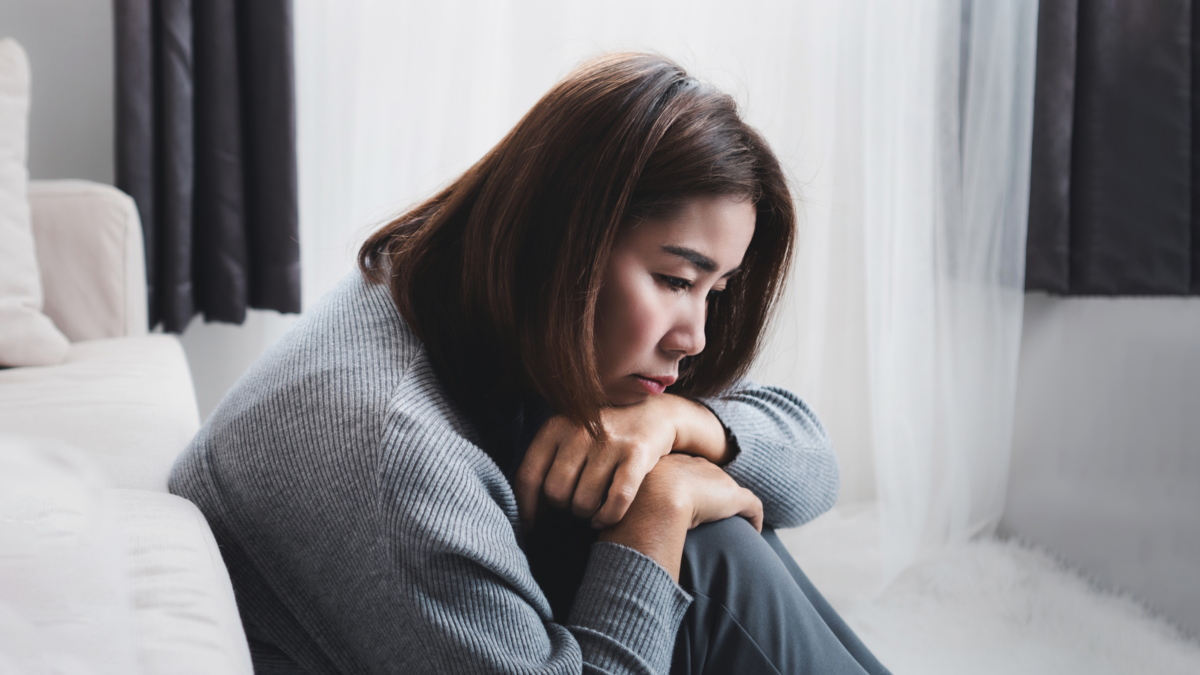
Hot Flashes in Real Life: The Meetings, The Nights, The Moments No One Sees

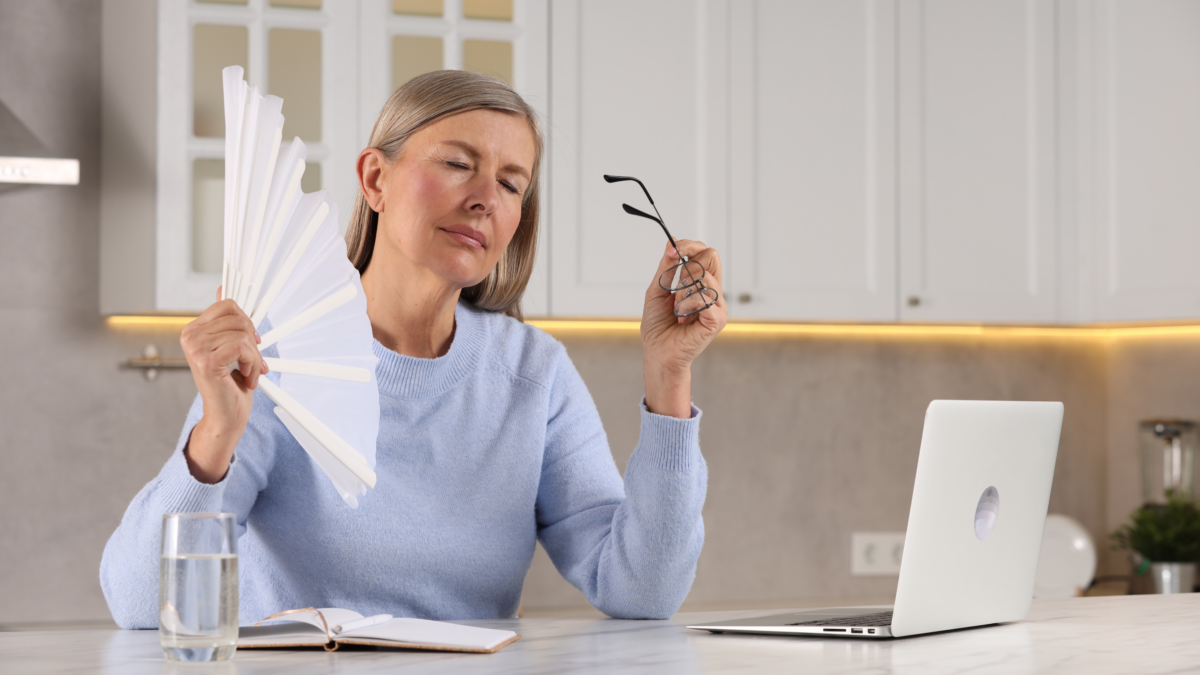
Hot flashes have a way of arriving at the worst possible moment.
Not when you’re relaxing quietly at home with nobody around. Not during peaceful evenings when you can comfortably peel off layers and laugh it off privately. Instead, they tend to appear in the middle of real life—during conversations, meetings, grocery runs, long drives, dinner reservations, or moments when you’re already trying hard to hold everything together.
One minute, everything feels completely normal.
Then suddenly, a wave of heat rises through your chest and neck so quickly it almost feels surreal. Your face warms instantly. Sweat gathers near your hairline. Your heartbeat shifts. And while everyone around you continues talking as if nothing has changed, your entire body suddenly feels impossible to ignore.
So you smile through it.
You keep nodding.
You try to stay focused while internally wondering one thing:
Can other people tell?
That’s the part of menopause hot flashes many people don’t talk about enough. Conversations often focus on the symptom itself, but rarely on the emotional experience of living through it in everyday life. Because hot flashes aren’t just physical. They can affect confidence, concentration, sleep, emotional wellbeing, and the quiet relationship many women have with their own bodies.
And for many people navigating perimenopause and menopause, that emotional disruption is often the part that lingers the longest.
Hot Flashes Are Common—But They’re Often Misunderstood
Hot flashes are one of the most recognized menopause symptoms, yet they remain surprisingly misunderstood by those who haven’t experienced them personally.
From the outside, they can sound simple. A person suddenly feels warm for a few minutes, maybe sweats a little, and then the moment passes.
However, anyone living through frequent hot flashes knows the experience rarely feels that small.
In fact, research on vasomotor symptoms—the medical term used for hot flashes and night sweats—shows that these symptoms affect up to 80% of women during the menopause transition. The same research also highlights how significantly they can affect sleep, concentration, emotional wellbeing, and overall quality of life. That’s a major reason why hot flashes often feel far more disruptive than people expect. According to a clinical review published through the National Library of Medicine, many women continue experiencing vasomotor symptoms for years, sometimes even longer than a decade.
For many women in their 40s and beyond, hot flashes become one of the earliest signs that hormonal changes are beginning. During perimenopause, fluctuating estrogen levels affect the body’s temperature regulation system, causing the brain to react more intensely to even subtle shifts in body temperature.
As a result, the body responds with sudden heat, flushing, sweating, chills afterward, and sometimes even a racing heartbeat. Cleveland Clinic specifically notes that hot flashes may also include clammy skin, anxiety-like sensations, and rapid increases in body heat that can feel physically overwhelming in the moment.
Still, medical explanations only tell part of the story.
What often gets overlooked is that hot flashes don’t happen in calm, controlled environments. They happen in the middle of ordinary life while people are still expected to work, parent, socialize, focus, care for others, and continue functioning as though nothing unusual is happening.
That’s why hot flashes can feel so emotionally disruptive.
You may be trying to finish a presentation. Help your family. Sit through a meeting. Drive through traffic. Get through dinner with friends. Or simply make it through the day without feeling overwhelmed.
Then suddenly, your body feels like it’s operating on an entirely different schedule.
The Moment It Happens (And You’re Not Prepared)
One of the most difficult parts about hot flashes is their unpredictability.
Some begin gradually, starting as a faint warmth before building into full-body heat. Others arrive almost instantly, catching people completely off guard in public spaces where there’s no easy escape or privacy.
Many women describe experiencing hot flashes:
- during meetings
- standing in long lines
- while driving
- at restaurants
- during social gatherings
- halfway through conversations
- in crowded rooms with little airflow
At the same time, the physical sensation itself can become incredibly distracting.
Many people report temporarily losing focus during a hot flash—not because they suddenly forget what they were doing, but because the body demands immediate attention. It becomes difficult to think clearly when your skin feels overheated, your heartbeat speeds up unexpectedly, and discomfort begins spreading through your chest, face, and neck all at once.
Then comes the internal monitoring.
Am I visibly sweating?
Is my face turning red?
Do I look nervous?
Can anyone notice this happening?
As those thoughts build, the emotional discomfort can intensify the experience even further. Research on vasomotor symptoms has found that menopause-related hot flashes are closely associated with anxiety, mood disruption, fatigue, and reduced quality of life—especially when symptoms interfere with sleep and daily functioning.
In professional environments especially, many women feel pressure to remain composed while silently managing symptoms that other people may not fully understand.
Over time, that pressure can feel exhausting.
What a Hot Flash Actually Feels Like
People often describe hot flashes as simply “feeling warm,” but that explanation barely captures the reality.
For some women, it feels like heat radiating upward from deep inside the chest. Others describe it as a sudden internal furnace turning on without warning. Some notice tingling across the skin before the heat begins, while others become aware of a pounding heartbeat first.
According to Cleveland Clinic, common symptoms of hot flashes may include:
- sudden intense heat
- facial flushing
- sweating
- damp clothing or hair
- chills afterward
- rapid heartbeat
- lightheadedness
- physical discomfort that feels difficult to ignore
Then there are menopause night sweats—the nighttime version of hot flashes that can quietly dismantle sleep quality over time.
Some people wake up mildly overheated. Others wake drenched in sweat, needing to change clothes, bedding, or even move to another room temporarily before falling asleep again.
At first, it may seem manageable.
But gradually, interrupted sleep starts affecting everything else.
Energy becomes harder to maintain. Concentration weakens. Emotional resilience drops. Small stressors suddenly feel bigger than they used to.
And because menopause symptoms are still not discussed openly enough, many women blame themselves before recognizing the physical connection.
Maybe I’m just stressed.
Maybe I’m overworked.
Maybe I’m simply getting older.
However, research published through the National Library of Medicine shows that vasomotor symptoms are strongly associated with sleep disruption, daytime fatigue, mood changes, and cognitive difficulties. In other words, the exhaustion many women feel is not “just in their head.” It’s often deeply connected to the body repeatedly losing restorative sleep.
Why Certain Situations Feel More Intense
Not every hot flash feels equally overwhelming.
The environment matters.
A hot flash at home alone may feel manageable. Meanwhile, the exact same symptom during an important meeting, crowded event, or social gathering can feel deeply uncomfortable.
Stress also plays a role.
When the body is already emotionally overwhelmed or physically tense, hot flashes often feel more intense both physically and mentally. Cleveland Clinic notes that stress, overheated environments, caffeine, alcohol, spicy foods, and smoking are among the common triggers that may worsen symptoms for some women.
At the same time, visibility changes the experience entirely.
A large part of the emotional discomfort comes from wondering whether other people can see what’s happening physically. Women often become hyperaware of sweating, flushed skin, fanning themselves, removing layers, or suddenly needing cooler air.
Eventually, that self-consciousness can begin affecting confidence.
Some people start dressing differently. Others avoid overheated environments, outdoor activities, or crowded spaces whenever possible. Many instinctively choose seats near windows, fans, or air vents without consciously thinking about it anymore.
Individually, these adjustments may seem minor.
Together, however, they reveal how much mental energy symptom management can quietly require.
The Night Version: When Sleep Slowly Starts Falling Apart
Night sweats deserve their own conversation because they affect far more than nighttime comfort.
Sleep disruption changes everything.
Initially, it may seem manageable. You wake up overheated once or twice, cool down, and eventually fall back asleep. However, over time, interrupted sleep accumulates quietly in the background of everyday life.
Fatigue slowly becomes part of the daily routine.
You wake feeling unrested even after technically spending enough hours in bed. Your patience shortens. Your concentration weakens. Motivation becomes harder to maintain. Even minor stressors suddenly feel heavier.
Because menopause symptoms are still minimized in many conversations, women often assume they simply need to “push through” the exhaustion.
But the body keeps score.
And when sleep quality declines consistently, the effects eventually show up everywhere—in mood, focus, productivity, relationships, emotional resilience, and overall health.
Research on vasomotor symptoms consistently shows that night sweats and repeated nighttime awakenings can significantly reduce quality of life over time. That’s part of why chronic exhaustion during menopause can feel so emotionally draining. The fatigue builds slowly, quietly, and repeatedly.
Many women spend months trying to function through chronic exhaustion before realizing how deeply night sweats have been affecting their wellbeing.
Why Hot Flashes Feel So Personal
There’s another layer to hot flashes that many people rarely discuss openly: they can change how women feel inside their own bodies.
Suddenly, comfort becomes strategic.
You think about room temperature constantly. You choose fabrics differently. You carry water everywhere. You avoid standing in direct sunlight too long. You scan unfamiliar spaces for windows, fans, or cooler seating areas automatically.
Little by little, the body starts feeling less predictable.
And that loss of predictability can feel emotional in ways many women don’t expect.
Especially for people who previously felt confident navigating their physical wellbeing, hot flashes can create a new sense of vulnerability and body awareness that feels unfamiliar.
Still, adapting to your body’s needs is not weakness.
It’s awareness.
In fact, many women navigating perimenopause and menopause become remarkably skilled at recognizing physical cues, identifying triggers, and adjusting routines to support themselves more compassionately.
That awareness deserves understanding—not embarrassment.
What Actually Helps in Real Life
There’s no universal solution for hot flashes, and women deserve honesty about that.
Some strategies work incredibly well for one person and make little difference for another. Still, many people do find meaningful relief through practical adjustments that support both physical comfort and emotional wellbeing.
Helpful approaches may include:
- dressing in breathable layers
- keeping bedrooms cooler at night
- using lightweight bedding
- staying hydrated
- identifying possible triggers gently
- reducing overheating whenever possible
- practicing calming breathing techniques during episodes
- improving sleep habits
- creating lower-stress recovery routines
Cleveland Clinic also recommends paying attention to personal triggers, since symptoms may worsen in warm environments or during periods of increased stress. For some women, small environmental adjustments can make everyday life feel significantly more manageable.
Most importantly, many women experience emotional relief once they stop treating every hot flash like an emergency.
Understanding what’s happening physiologically can reduce panic during symptoms. Instead of spiraling into embarrassment or fear, many people feel more grounded once they recognize that these episodes—while disruptive—are temporary and manageable.
That emotional shift matters more than people realize.
Because sometimes, the fear surrounding symptoms becomes more exhausting than the symptoms themselves.
When Hot Flashes Deserve More Attention
Hot flashes are common during perimenopause and menopause, but common does not mean insignificant.
If symptoms are severely disrupting sleep, interfering with work, affecting emotional wellbeing, or making daily life difficult to manage, professional support matters.
Women deserve healthcare conversations that take their symptoms seriously.
Research published through the National Library of Medicine notes that although vasomotor symptoms affect a large percentage of menopausal women, many people remain untreated despite the significant impact symptoms can have on daily life and emotional wellbeing.
Support may include lifestyle adjustments, hormonal treatment options, non-hormonal therapies, sleep support, stress management strategies, or further medical evaluation depending on individual health history and symptom severity.
Most importantly, no one should feel pressured to simply “suffer through” menopause symptoms silently.
Menopause is a major biological transition.
Support, education, and compassionate care can make an enormous difference.
You’re Not Alone in This
One of the most isolating parts of hot flashes is how invisible they can feel to everyone else.
A woman may sit through an entire meeting smiling professionally while internally fighting discomfort, anxiety, overheating, and exhaustion all at once. Someone else may wake up repeatedly every night without ever telling anyone how depleted they feel the next morning.
From the outside, life may appear completely normal.
Internally, everything feels different.
But millions of women are navigating these same moments every single day.
The woman carrying a portable fan in her purse.
The friend sleeping with the thermostat unusually low.
The coworker quietly stepping outside for fresh air.
The person choosing layered clothing even in mild weather.
So many people are adapting silently while trying to maintain the rhythm of everyday life.
That’s exactly why conversations like this matter.
Because understanding reduces fear.
Recognition reduces isolation.
And support changes the experience entirely.
Keep Reading, Keep Understanding Your Body
Menopause has a way of making women feel like they’re navigating unfamiliar territory alone. However, the more openly we talk about symptoms like hot flashes, the less isolating they become.
If this article felt familiar, you’ll find more real conversations, practical support, and evidence-based guidance throughout Menopause Network. Because understanding what’s happening in your body should never feel confusing—or lonely.
Explore more menopause stories, symptom guides, and supportive resources here on Menopause Network.
Disclaimer: This content is for informational purposes only and is not a substitute for professional medical advice, diagnosis, or treatment. Always consult your healthcare provider before making any decisions about your health, especially related to medication, hormones, or sexual wellbeing. Every woman’s body is different, and what works for one may not work for another.
References
Cleveland Clinic. (2024). Hot flashes: Symptoms, causes & treatment. Cleveland Clinic. https://my.clevelandclinic.org/health/symptoms/15223-hot-flashes
Shifren, J. L., Gass, M. L. S., & The NAMS Recommendations for Clinical Care of Midlife Women Working Group. (2023). Vasomotor symptoms during menopause: A practical guide on current treatments and future perspectives. National Library of Medicine. https://pmc.ncbi.nlm.nih.gov/articles/PMC9938702/