Maybe It’s Not Just Stress: The Moment Many People First Realize Something Is Changing

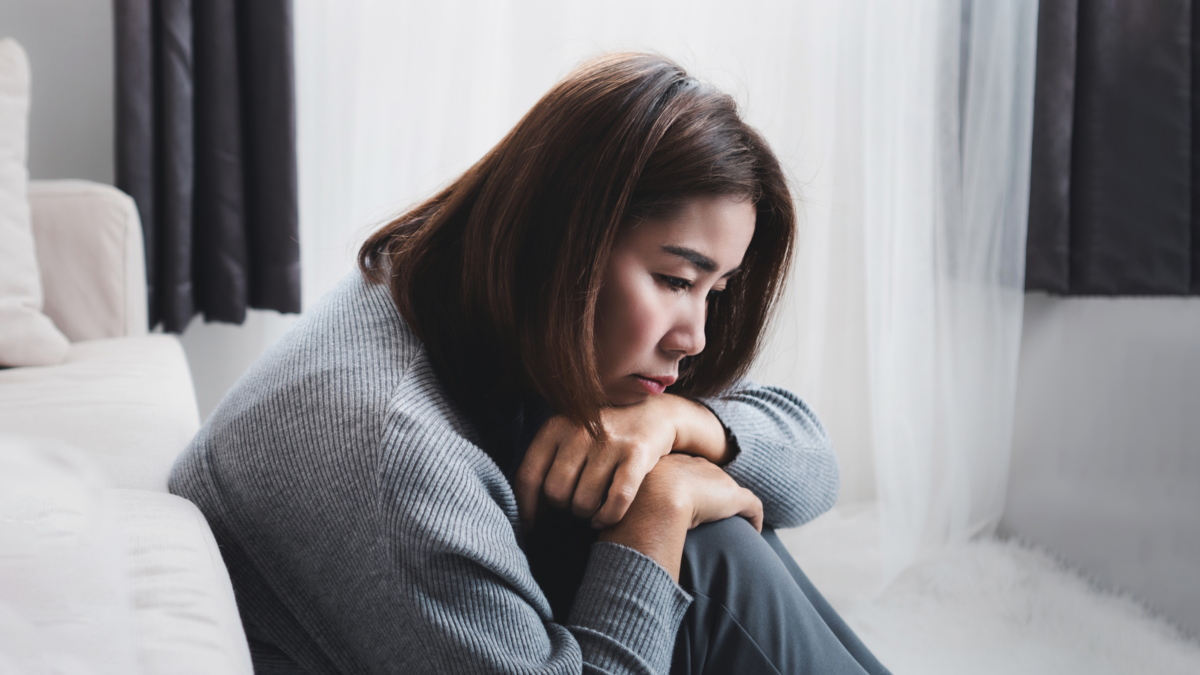
There’s a very specific kind of exhaustion many people experience before they ever realize hormones may be involved.
At first, it feels manageable. Life simply feels busy. Work may feel heavier than usual. Family responsibilities may be piling up. Emotional bandwidth feels stretched thin after years of constantly caring for others while also trying to hold everything together personally and professionally.
Then, gradually, something begins to feel different.
Not dramatic enough to immediately raise concern. Just… heavier.
Small inconveniences suddenly feel overwhelming. Emotional resilience feels lower than it once was. Sleep no longer restores the body the same way. Recovery takes longer. Patience feels thinner. Even ordinary days begin leaving behind an unfamiliar level of exhaustion.
Naturally, many people assume the same thing:
“I’m probably just stressed.”
And sometimes stress is part of the picture. However, for many adults in their late 30s and 40s, stress may not be the entire story.
In some cases, the body may be quietly entering perimenopause — the hormonal transition leading up to menopause — years before many people expect it to happen.
What makes this transition especially confusing is that the earliest symptoms often appear emotionally before they appear physically. As a result, many people spend years believing they are simply burned out, emotionally overwhelmed, or “not coping as well” before realizing hormones may also be influencing the way the nervous system responds to stress itself.
According to Johns Hopkins Medicine, fluctuating hormone levels during perimenopause can contribute to anxiety, emotional instability, sleep disruption, and difficulty concentrating — symptoms that are often mistaken for ordinary stress or burnout.
Consequently, many people continue functioning outwardly while silently feeling unlike themselves internally. They continue working, caregiving, managing responsibilities, and supporting others while privately wondering why everything suddenly feels harder than it used to.
That disconnect can feel deeply isolating.
This article explores:
- why stress and perimenopause symptoms overlap so heavily
- how hormonal changes affect emotional wellbeing
- why anxiety and overwhelm often increase during midlife
- the symptoms many people dismiss too quickly
- and why understanding what’s happening can feel profoundly validating
Because sometimes the first breakthrough is not treatment.
Sometimes it is simply realizing:
You are not imagining this.
The Quiet Realization That Something Feels Different
Most people do not suddenly wake up one day convinced they are entering perimenopause. In fact, many never consider hormones at all in the beginning.
Instead, there is usually a slow accumulation of subtle emotional and physical shifts that gradually become harder to ignore.
For example, you may notice:
- feeling emotionally overstimulated more easily
- struggling to recover after normal days
- becoming mentally exhausted faster
- feeling unusually anxious
- crying more unexpectedly
- needing more quiet or recovery time
- feeling emotionally “thin” in situations that once felt manageable
Often, these changes are difficult to explain clearly because they do not always appear as one dramatic symptom. Instead, they appear as a quiet loss of familiarity with yourself.
You still recognize your life. However, your internal experience of it feels noticeably different.
One of the most common phrases people use during early hormonal transition is:
“I just don’t feel like myself anymore.”
Importantly, this feeling is rarely about dramatic dysfunction. More often, it reflects smaller but meaningful shifts — lower emotional resilience, increased fatigue, reduced stress tolerance, emotional overstimulation, and difficulty “bouncing back” after stressful days.
Unfortunately, because these symptoms often develop gradually, they are easy to rationalize away.
Many people tell themselves:
- “I’m just tired.”
- “Life has been stressful lately.”
- “I probably need more sleep.”
- “I’m just getting older.”
- “Everyone feels overwhelmed sometimes.”
While those explanations may be partly true, they can also delay recognition of the hormonal changes happening underneath the surface.
Why So Many People Explain Away the Early Signs
There is a reason early perimenopause symptoms are so commonly dismissed.
Modern culture has normalized exhaustion. People are often expected to remain productive, emotionally available, mentally sharp, and endlessly resilient regardless of how depleted they may actually feel internally.
As a result, when symptoms begin appearing during midlife, the most socially acceptable explanation becomes:
“I’m just stressed.”
And yes — stress is absolutely real. At the same time, hormonal fluctuations can significantly intensify how stress feels inside the body.
According to the American College of Obstetricians and Gynecologists (ACOG), the hormone changes affecting menstrual cycles during perimenopause can also affect emotions. Additionally, the pressures many people face during midlife — including careers, caregiving, parenting, and chronic stress — can further intensify emotional symptoms.
In other words, stress and hormonal changes often overlap rather than exist separately.
That overlap is one reason early perimenopause symptoms are so frequently misunderstood. People may blame demanding careers, caregiving responsibilities, lack of sleep, emotional burnout, aging, or chronic stress without recognizing that hormonal shifts may be amplifying every one of those experiences.
Furthermore, many people minimize their symptoms because stress feels easier to explain than hormonal change. Stress feels familiar. Hormonal transition often feels uncertain, vulnerable, and difficult to talk about openly.
Consequently, many individuals continue pushing themselves harder while quietly wondering why everything suddenly feels more difficult than it used to.
When Stress Starts Feeling Different Than It Used To
One of the clearest signs that something deeper may be happening is when stress no longer resolves the way it once did.
Previously, rest may have restored the nervous system relatively quickly. A quiet weekend, a good night’s sleep, or time away from responsibilities may have helped the body recover.
During perimenopause, however, many people notice something unsettling:
The exhaustion lingers.
You may notice:
- waking up tired even after sleeping
- feeling physically exhausted but mentally restless
- becoming emotionally overwhelmed faster
- struggling to tolerate noise or multitasking
- needing significantly more recovery time
- feeling “wired but tired”
Importantly, this experience is not imagined.
Research increasingly shows that estrogen plays a significant role in mood regulation, sleep quality, emotional resilience, and stress-response systems.
ACOG also notes that anxiety symptoms during perimenopause may include constant worrying, muscle tension, nausea, concentration difficulties, and sleep disruption — symptoms many people initially mistake for ordinary stress or burnout.
As a result, many individuals begin questioning themselves. They wonder why everything suddenly feels harder, why small problems suddenly feel overwhelming, or why they no longer seem able to “bounce back” the same way.
However, this is not necessarily about weakness. In many cases, it may reflect a nervous system responding differently during hormonal transition.
The Symptoms That Often Get Misunderstood in Midlife
One of the biggest misconceptions about menopause is that it begins primarily with hot flashes.
While hot flashes are certainly common, many people experience emotional and cognitive symptoms years before obvious physical changes appear. In fact, some individuals never initially connect their symptoms to hormones at all.
Brain Fog
Many people describe:
- forgetting words
- struggling to focus
- mental fatigue
- difficulty retaining information
- feeling cognitively slower than usual
Harvard Health notes that memory and concentration difficulties are common during perimenopause and can feel both frustrating and alarming when they appear unexpectedly.
If this sounds familiar, you may also relate to:
“Brain Fog or Burnout?”
Mood Changes
According to ACOG, about 4 in 10 women experience mood-related symptoms during perimenopause similar to PMS, including irritability, low energy, tearfulness, mood swings, and difficulty concentrating. Unlike PMS, however, these symptoms may occur unpredictably and without clear monthly patterns.
That unpredictability is one reason these emotional changes often feel confusing and difficult to explain.
Anxiety
Johns Hopkins Medicine explains that anxiety may increase during perimenopause due to fluctuating hormone levels affecting brain chemistry and stress-response systems.
Many people report:
- racing thoughts
- nervous system sensitivity
- emotional overstimulation
- heightened worry
- panic-like symptoms
—even if they have never previously considered themselves anxious.
Sleep Disruption
Sleep changes are among the earliest and most disruptive symptoms of hormonal transition.
For example, people may experience:
- difficulty falling asleep
- waking during the night
- restless sleep
- waking up unrefreshed
- night sweats
Harvard Health also emphasizes that disrupted sleep can intensify fatigue, mood instability, emotional sensitivity, and cognitive symptoms — creating a cycle that becomes increasingly difficult to break.
Body Temperature Changes
Some individuals may also notice:
- sudden warmth
- heat sensitivity
- flushing
- night sweats
- temperature regulation changes
These symptoms often appear gradually long before menopause officially occurs.
Why Hormonal Shifts Often Feel Emotional Before They Feel Physical
One of the least discussed realities of perimenopause is how deeply hormones affect emotional wellbeing.
Hormones influence far more than reproduction. Estrogen, in particular, plays an important role in mood regulation, stress response, emotional resilience, sleep quality, and cognitive function.
Consequently, fluctuating hormone levels can create emotional symptoms before obvious physical symptoms ever appear.
This is why many people experience irritability, emotional sensitivity, anxiety, overwhelm, emotional exhaustion, and lower stress tolerance before they ever experience noticeable hot flashes or significant cycle changes.
Johns Hopkins Medicine specifically highlights the connection between fluctuating hormones and increased vulnerability to anxiety during perimenopause, particularly in individuals already sensitive to stress.
Importantly, this does not mean someone is “overreacting,” nor does it mean they are emotionally weak. Rather, it often reflects legitimate physiological changes occurring within the nervous system.
Unfortunately, many individuals silently interpret these experiences as personal failure instead of recognizing them as possible hormonal symptoms.
They think:
- “I’m becoming too emotional.”
- “I’m not coping well anymore.”
- “Something is wrong with me.”
- “Why can’t I handle life like I used to?”
In reality, the body may simply be responding differently than before.
The Loneliness of Feeling “Off” Without Understanding Why
One of the hardest parts of early perimenopause is how invisible it can feel.
From the outside, many people appear completely functional. They continue meeting deadlines, caring for others, maintaining routines, managing households, and showing up every day.
Internally, however, they may feel profoundly exhausted in ways they cannot fully articulate.
That disconnect can become deeply isolating.
Because when symptoms are invisible, people often stop trusting themselves. They wonder whether they are simply bad at coping or somehow failing at life.
Perhaps most painful of all, many people feel guilty for struggling — especially those who have spent most of their lives being dependable, capable, productive, and emotionally strong.
This is why recognition matters so deeply.
Because understanding what may be happening internally can replace shame with context.
What Recognition Changes — Even Before You Have Answers
For many people, learning about perimenopause creates immediate emotional relief.
Not because symptoms disappear overnight. But because confusion finally begins making sense.
Recognition helps people:
- stop blaming themselves
- identify symptom patterns
- feel emotionally validated
- seek support earlier
- approach themselves with more compassion
That emotional shift can feel transformative.
Instead of asking:
“What’s wrong with me?”
People often begin asking:
“What support does my body need right now?”
And that shift changes everything.
Small Ways to Start Supporting Yourself Earlier
Perimenopause does not require perfection. Nor does anyone need to completely overhaul their life overnight in order to feel more supported.
Often, the most meaningful changes begin gently.
Protect Sleep More Intentionally
ACOG emphasizes that poor sleep can affect emotional regulation, stress resilience, decision-making, and coping ability.
Helpful strategies may include:
- maintaining consistent sleep schedules
- reducing screen exposure before bed
- creating calming nighttime routines
- limiting overstimulation in the evening
Reduce Nervous System Overload
Many people notice increased sensitivity to noise, multitasking, crowded schedules, and emotional stimulation.
Therefore, building more space between obligations may help reduce overwhelm.
Pay Attention to Patterns
Tracking symptoms gently — without becoming obsessive — may help identify patterns involving:
- sleep
- anxiety
- energy levels
- emotional sensitivity
- hormonal cycles
Practice Self-Compassion
Most importantly, needing more rest or support is not weakness.
Bodies change. And adapting to those changes deserves compassion, not criticism.
When It’s Worth Looking Beyond Stress Alone
Stress is real. However, persistent symptoms deserve attention too.
It may be worth speaking with a healthcare professional if you experience:
- worsening anxiety
- ongoing fatigue
- persistent sleep disruption
- severe mood changes
- irregular menstrual cycles
- significant brain fog
- symptoms interfering with daily life
Support options may include:
- lifestyle adjustments
- mental health support
- hormone therapy discussions
- sleep support
- nutritional guidance
- stress-management strategies
Importantly, people do not need to wait until symptoms become unbearable before seeking help.
Conclusion
If stress suddenly feels heavier than it used to…
if rest no longer restores you the same way…
if you’ve quietly been feeling unlike yourself lately…
please know this:
You are not weak.
You are not failing.
And this may not be “just stress.”
For many people, the earliest signs of perimenopause arrive quietly — disguised as burnout, anxiety, emotional sensitivity, exhaustion, or the unsettling feeling that something internally has shifted.
However, understanding those changes can be deeply empowering.
Because once people stop viewing themselves through the lens of failure, they can begin responding with curiosity, compassion, and informed support instead.
Your body may not be betraying you.
It may simply be asking for a different kind of care now.
And listening to that is not weakness.
It is wisdom.
Keep Exploring
If this article resonated with you, know that you are not alone in what you’re experiencing.
Hormonal changes during midlife can feel confusing, emotional, and difficult to explain — especially when the symptoms are often mistaken for everyday stress. The more we talk openly about perimenopause and menopause, the easier it becomes to recognize the signs, seek support, and approach this stage of life with greater understanding and self-compassion.
Explore more articles from The Menopause Network for evidence-based insights, supportive guidance, and honest conversations about menopause, hormonal health, emotional wellbeing, sleep, brain fog, and the many changes that can happen during midlife.
Disclaimer: This content is for informational purposes only and is not a substitute for professional medical advice, diagnosis, or treatment. Always consult your healthcare provider before making any decisions about your health, especially related to medication, hormones, or sexual wellbeing. Every body is different, and what works for one person may not work for another.
References
American College of Obstetricians and Gynecologists. (2025). Mood changes during perimenopause are real. Here’s what to know.
Harvard Health Publishing. (2023). Menopause symptoms that may surprise you: What to watch for during perimenopause. Harvard Medical School. https://www.health.harvard.edu/womens-health/menopause-symptoms-that-may-surprise-you-what-to-watch-for-during-perimenopause
Johns Hopkins Medicine. (2024). Perimenopause and anxiety. Johns Hopkins Medicine. https://www.hopkinsmedicine.org/health/wellness-and-prevention/perimenopause-and-anxiety