Reset, Recharge, Reinvent: The Menopause Fresh Start Protocol

I want you to imagine something with me. Picture your body as a grand old house. One day, without warning, the wiring begins to flicker. The plumbing sighs. The paint peels in weird places. It feels unsettling. Disorienting. You might even wonder if the whole place is falling apart.

That’s what menopause feels like for so many women. But here’s the truth no one tells you: menopause is not a breakdown. It’s a renovation project. It’s a chance to rebuild, not out of weakness, but out of wisdom.

Most of us hit menopause feeling blindsided. You notice that your sleep is thinner, your moods are jagged, and your energy slips through your fingers like sand. You’re told it’s “just hormones” and that nothing can really be done. That couldn’t be further from the truth.

You can reset your biology in ways that are grounded in evidence. And you can redefine what this decade — this phase — means for your health, your identity, and your future. That’s what this protocol is about. Not denial. Not desperation. But renewal.

In this guide, I’m going to walk you through a protocol that integrates research from lifestyle science with real woman‑to‑woman wisdom. This is actionable, sustainable, and deeply human.

Why Menopause Isn’t a Crisis — It’s a Signal

Let’s begin with what’s happening inside your body.

Menopause begins when your ovaries stop releasing eggs and estrogen declines. The official medical definition says menopause has occurred once you’ve gone 12 consecutive months without a period. Most women reach this point between ages 45 and 55. Yet for many, the transition — called perimenopause — starts years earlier with subtle but powerful physiological changes. Symptoms can show up long before your last period.

Estrogen isn’t just about reproduction. It plays roles in bone strength, heart function, sleep regulation, insulin sensitivity, mood, and more. When it diminishes, those systems don’t simply switch off — they rebalance. That rebalance shows up as hot flashes, night sweats, weight redistribution, brain fog, emotional shifts, sleep issues, and even changes in libido.

This biochemical shift is a cue, not a crash. It signals that your body needs new rhythms, new inputs, and new care strategies. And if you respond intelligently, you can ease discomfort and reduce health risks that historically have been associated with menopause, such as osteoporosis and cardiovascular disease.

Understanding menopause as a transition and not as a failure changes everything.

The Six Pillars of Transformation

The Menopause Fresh Start Protocol is built on six pillars. These are not gimmicks. They are lifestyle domains backed by research that show improvements in symptom experience, metabolic health, and quality of life.

They are:

  1. Nourish well with purpose
  2. Move in ways that build strength and resilience
  3. Optimize sleep and recovery
  4. Manage stress in sustainable ways
  5. Reframe your relationship with your body
  6. Collaborate with healthcare to personalize care

Let’s break each one down.

1. Nourish with Purpose

Food is not a punishment or a project. It is medicine.
And in menopause, nutrition matters more than ever.

As estrogen falls, your metabolism changes, your risk of insulin resistance increases, and the way your body stores fat shifts — often toward the abdomen. That isn’t laziness or lack of willpower. It’s biology. But it is modifiable. There’s strong scientific consensus that nutrition influences bone health, heart health, energy levels, and inflammation during menopause.

A diet rich in whole foods — think colorful vegetables, lean protein, healthy fats, and whole grains — supports your body in multiple ways. Traditional Mediterranean‑style patterns, emphasizing olive oil, oily fish, nuts, legumes, and greens are linked with reduced inflammation and better cardiovascular health.

Here’s what research and clinical experience tell us matters most:

Protein at Every Meal
Protein supports muscle mass, and muscle is a metabolic engine. When you preserve muscle, you help regulate blood sugar, maintain strength, and stay active.

Calcium and Vitamin D
Bone density decline accelerates in menopause. You can support bone health with calcium‑rich foods and safe sun exposure or supplementation with vitamin D.

Fiber and Healthy Fats
Fiber stabilizes your blood sugar and supports digestion — both essential for mood and energy. Healthy fats from sources like avocados, nuts, seeds, and fish promote heart health.

Balanced Meals Over Restrictive Diets
Yanking calories low often backfires in menopause. A balanced plate that fuels rather than restricts helps you feel energized and reduces the urge to binge.

Nutrition isn’t about perfection. It’s about patterns and habits that keep you feeling steady.

2. Move to Thrive

Exercise is the cornerstone of vitality in menopause. It isn’t optional. It’s essential.

Evidence shows that physical activity — particularly strength training, weight‑bearing exercise, and aerobic movement — supports bone health, maintains muscle mass, helps regulate mood, and may improve some symptoms such as sleep disruption and quality of life.

Research suggests that yoga and other mindful movement practices might help with physical and psychological symptoms, even if more studies are needed to pinpoint exact effects.

Here’s how to make movement work for you:

Set a Weekly Pattern
Aim for 150 minutes of moderate activity each week, like brisk walking, swimming, or biking. Add two to three sessions of resistance training to build strength and protect bone health.

Include Mindful Movement
Yoga, tai chi, and Pilates aren’t just “gentle exercise.” They sync body and breath — helping your nervous system settle and promoting better balance and flexibility.

Make It Joyful
Movement that you enjoy is the movement you will keep. Dance, walk with friends, lift weights, swim laps, hike — variety is engagement, and engagement brings sustainability.

Exercise works in concert with your hormones, metabolism, and brain chemistry. It’s not punishment — it’s empowerment.

3. Prioritize Better Sleep

Sleep isn’t just rest. It is where your body repairs itself.

Menopause often brings night sweats, insomnia, and difficulty staying asleep. Broken sleep is not normal. It’s common, but that doesn’t mean it has to stay that way.

Quality sleep supports:

  • appetite regulation
  • emotional stability
  • energy levels
  • cognitive clarity

These are not small bonuses. They shape the way your day feels from dawn to dusk.

Here’s how to cultivate deeper restorative sleep:

Routine Matters
Go to bed and wake up at the same time every day, even on weekends. Your body loves rhythm.

Cool, Quiet, Screen‑Free Zone
Keep your sleep space cool and dark. Power down screens at least an hour before bed.

Wind‑Down Rituals
Baths, calming teas, journaling, soft music — find a routine that signals to your body that it’s time to relax.

Don’t settle for chronic sleep debt. Your nervous system, hormones, and mental health need real rest.

4. Build Stress Management Into Your Life

Chronic stress makes menopause symptoms worse. Simple as that.

Stress releases cortisol. Cortisol interferes with sleep. It disrupts appetite. It can throw your mood out of balance. You don’t have to eradicate stress — that isn’t realistic — but you can build resilience to it.

Lifestyle medicine reviews point to mental well‑being as a central pillar in easing menopausal symptoms and improving quality of life.

Mind‑body practices like meditation, breathwork, mindful walking, or gentle stretching help calm the nervous system. You don’t need a retreat. You need tiny, daily practices that anchor you.

Imagine your breath as a reset button available at any moment. Take it. Use it. You deserve it.

5. Reinvent Your Relationship With Your Body

Here is a truth worth echoing: Your body is not failing you. It is changing. And that change can feel unfamiliar and even unwelcome.

When you shift your internal narrative from rebellion against your body to partnership with it, something remarkable happens. You stop fighting symptoms and start listening to signals. You stop feeling reactive, and you begin to feel responsive.

This shift — from critique to curiosity — is what psychologists call reframing. It nurtures resilience, reduces negative self‑talk, and supports long‑term behavior change. Research shows that behavior change strategies that honor your humanity are more successful than those driven by guilt or shame.

So celebrate progress. Notice what works. Journal what feels hard. Notice small wins — the walk you did take, the meal that nourished you, the moment you slept better.

Your story doesn’t end at menopause. It evolves.

6. Partner With Healthcare Providers

Lifestyle is powerful. But there are times when medical partnership amplifies that power.

Hormone therapy is one such area. For many women, hormone therapy can significantly ease hot flashes, protect bone density, and support overall well‑being. The Mayo Clinic and other medical authorities recognize that hormone treatment may be most beneficial when started earlier in the menopause transition and tailored to the individual.

This isn’t about pushing medication. It’s about informed choice. Talk with a clinician who understands menopause. Ask about options, risks, benefits, timing, and personal health history.

This is your body. Your choice. And the right guidance can make all the difference.


A 12‑Week Protocol to Reset, Recharge, and Reinvent

Weeks 1–4: Establish Your Foundation

  • Nutrition: Start daily balanced meals with protein and vegetables.
  • Movement: Build consistency with gentle cardio and stretching.
  • Sleep: Commit to a nightly ritual and set a sleep schedule.
  • Mindset: Begin journaling daily about what you want from this next stage of life.

Weeks 5–8: Deepen Your Practice

  • Strength Training: Add resistance work twice a week.
  • Mind‑Body Care: Introduce brief meditation or breathwork.
  • Symptom Tracking: Note patterns that relate to diet, sleep, and mood.

Weeks 9–12: Expand and Evaluate

  • Social Support: Connect with a community or group for motivation.
  • Healthcare Check‑In: Review progress with a clinician and adjust as needed.
  • Reflection: Assess what’s working and refine habits.

What Real Success Feels Like

Success here is not about being symptom‑free. It’s about feeling capable.

It’s waking up without dread. It’s feeling mentally sharp. It’s moving in ways that feel good. It’s sleeping more nights than not. It’s eating food that feels like fuel, not punishment. It’s looking in the mirror and feeling solid, grounded, and ready for the next chapter.

Menopause is not a decline. It’s a pivot. And using this protocol as your blueprint, you can navigate it with curiosity and confidence.


References

Academy of Nutrition and Dietetics. (2025). Nutrition and menopause. https://www.eatright.org/health/wellness/healthful-habits/nutrition-and-menopause

International Menopause Society. (2025). The role of lifestyle medicine in menopausal health: A review of non‑pharmacological strategies. https://www.imsociety.org/wp-content/uploads/2025/10/IMS-White-Paper-The-Role-of-Lifestyle-Medicine-in-Menopausal-Health-2025.pdf

Mayo Clinic. (2024). Menopause diagnosis and treatment. https://www.mayoclinic.org/diseases-conditions/menopause/diagnosis-treatment/drc-20353401

Nursing in Practice. (2025). Lifestyle changes can empower patients and improve menopause symptoms. https://www.nursinginpractice.com/clinical/womens-health/lifestyle-changes-can-empower-patients-and-improve-menopause-symptoms/

BMC Women’s Health. (2024). The impact of physical activity and exercise interventions on symptoms for women experiencing menopause. https://link.springer.com/article/10.1186/s12905-024-03243-4

Cambridge University Press. (2024). Menopause as a window of opportunity: Health behavior interventions. https://www.cambridge.org/core/journals/proceedings-of-the-nutrition-society/article/menopause-as-a-window-of-opportunity-the-benefits-of-designing-more-effective-theorydriven-behaviour-change-interventions-to-promote-healthier-lifestyle-choices-at-midlife/FB952A924109DE84652F95787FD2CC16

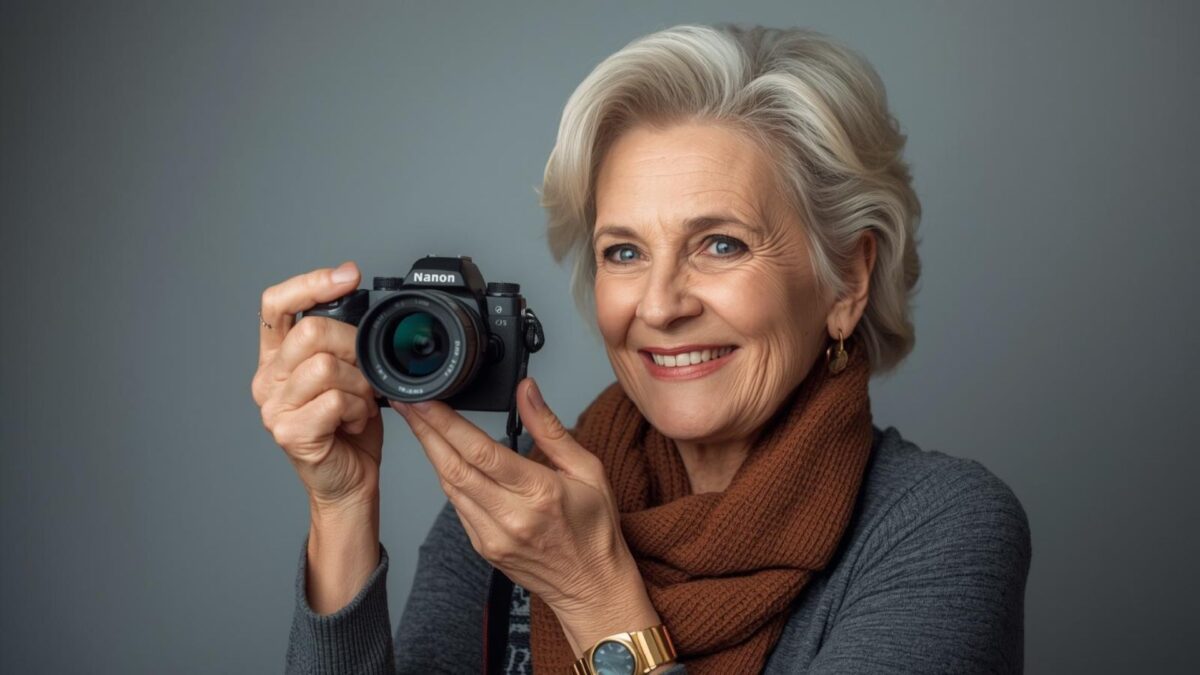
The Unstoppable Second Act: Why Your 50s and 60s Are Actually Your Power Decade

For a long time, society sold us a very specific, very boring story about getting older. We were told that after 50, life becomes a series of “last times.” The last time you’re competitive in the job market. The last time you start a project from scratch. The last time you truly reinvent yourself.

But if you look at the women actually living it right now, that story isn’t just outdated—it’s a total myth.

We are currently witnessing a massive, quiet revolution. Women in their 50s, 60s, and beyond aren’t “fading out”; they are leaning into a level of freedom and clarity that simply isn’t available to you in your 20s or 30s. This isn’t about “clinging to youth.” It’s about finally having the resources, the emotional intelligence, and the sheer “don’t give a damn” attitude required to build a life that actually fits.

If you’ve been feeling a nudge to change careers, pick up a “difficult” hobby, or finally launch that business you’ve been dreaming about for years, here is exactly why 50 is the best decade for women to claim their power.


1. The Biological “Unlock”: Why Your Brain is Just Getting Started

One of the most persistent myths is that our brains “peak” in our youth. While it’s true that a 20-year-old might be faster at memorizing a list of random digits, the aging brain develops a different kind of power.

The Power of Crystallized Intelligence

Research published by Harvard Health highlights a distinction between “fluid intelligence” (speed of processing) and “crystallized intelligence.” The latter is the ability to use a lifetime of accumulated knowledge, experience, and pattern recognition to solve complex problems. This peaks much later in life—often in our 60s or 70s.

In your 50s, you aren’t just working hard; you’re working smart. You can see the outcome of a situation five steps ahead because you’ve seen the movie before. This makes you a lethal entrepreneur and a highly effective leader. This is a core reason why many find that reinventing your career after 50 is more successful than their first go-around.

The Post-Menopausal Zest

Margaret Mead famously coined the term “post-menopausal zest.” Biologically, as the rollercoaster of reproductive hormones levels off, many women report a surge of physical and mental energy. Without the constant “biological noise” of earlier decades, there is a newfound ability to focus on personal goals. It’s a literal physiological second wind.


2. The Happiness Curve: Freedom from the “Sandwich” Years

Psychologists have long studied the “U-curve of happiness,” which suggests that life satisfaction often dips in our 40s—the height of the “sandwich generation” years where we are caring for both children and aging parents. As we cross the 50-year mark, that curve begins a steady, upward climb.

The Death of People-Pleasing

There is a profound psychological shift that happens when you realize you have more years behind you than in front of you. You stop asking “Am I allowed to do this?” and start asking “Do I actually want to do this?”

This clarity is the ultimate competitive advantage. When you start a new career or hobby at this age, you don’t waste three years trying to please everyone. You cut straight to the marrow. You hire the right people, you say “no” to bad deals, and you protect your time like the finite resource it is. For more on this, check out our guide on setting boundaries in midlife.


3. The New “Encore Career”: Why You’re a Better Founder Now

If you think you’re “too old” to start a business, the data says you’re actually at the perfect age. According to a study by the MIT Sloan School of Management, the most successful entrepreneurs aren’t the hoodie-wearing 20-somethings—they are founders in their late 40s and 50s.

Why 50 is the Best Decade for Women Entrepreneurs:

  • Risk Mitigation: You’ve lived through recessions, layoffs, and personal crises. You know how to pivot when things go sideways.
  • The Network: You don’t need to “build” a network. You have 30 years of former colleagues, mentors, and friends who are now in positions of power.
  • Capital Management: You generally have a more sophisticated understanding of personal and business finance than someone just starting out.

Whether it’s turning a lifelong passion for interior design into a consultancy or using your corporate HR background to launch a coaching firm, your “second act” is backed by a level of competence that youth simply cannot buy.


4. Rediscovering the “Beginner’s Mind”

There is a unique joy in being a “novice” again. Many women are finding that their 50s are the perfect time to pick up skills that have nothing to do with their previous careers.

  • The Physical Challenge: From marathon running to weightlifting, the Mayo Clinic emphasizes that strength training in this decade is vital for bone density and metabolic health. Many women are finding they are in the best shape of their lives at 55 because they finally have the time to prioritize it.
  • The Creative Spark: Painting, writing, coding, or learning a new language. The National Institute on Aging notes that engaging in difficult, new mental tasks builds “cognitive reserve,” protecting the brain against decline.

The goal isn’t to be “productive”; the goal is to be interested. Ironically, that curiosity often leads to the most lucrative and fulfilling opportunities of our lives. You can read more about hobbies that boost brain health on our blog.


5. Strategic Steps for Your Reinvention

If you’re standing at the edge of this decade wondering “What now?”, here is how to navigate the transition:

  1. Conduct an “Asset Audit”: Don’t just look at your bank account. Look at your Social Capital (who you know), your Skill Capital (what you can do in your sleep), and your Wisdom Capital (the hard lessons you’ve learned).
  2. Optimize Your Health Like an Athlete: This isn’t about fitting into a dress size. It’s about energy. Work with a practitioner to optimize your hormones, gut health, and sleep.
  3. Find Your “Transition Tribe”: Seek out communities of women who are also in a state of reinvention. Platforms like AARP’s Life Reimagined or local entrepreneur hubs are goldmines for support.

The Authority of Experience

The world is finally starting to catch up to the fact that women over 50 are the most powerful demographic on the planet. We control the majority of household spending, we are the most reliable voters, and we are now the most exciting new cohort of creators.

This decade isn’t the beginning of the end. It’s the end of the beginning. You have the wisdom of an elder and the freedom of a teenager.

The question isn’t “Is it too late?” The question is: “Now that I don’t have to please anyone else, what am I going to do with all this power?”


Quick Comparison: The Narrative Shift

Traditional View (The Decline)The Modern Reality (The Expansion)
Retirement: Stopping work to rest.Transition: Shifting to work that matters.
Aging: Losing relevance and beauty.Aging: Gaining authority and authenticity.
Learning: Something for the young.Learning: A lifelong strategy for brain health.
Identity: Defined by family roles.Identity: Defined by personal purpose.

Disclaimer: The information provided in this article is for inspirational and educational purposes only. It does not constitute professional career, financial, or medical advice. Always consult with a qualified professional before making significant life, health, or career transitions.

Perimenopause Advice for My Younger Self

Oh, sweetheart.

You’re stronger than you think.

I know you’re juggling so much. You’re raising kids, climbing ladders, smoothing over tension at dinner, laughing at things that aren’t funny, and carrying everyone’s needs like it’s your job to hold the world together.

Here’s the thing: you feel like your body is starting to betray you—weight that won’t budge, moods that feel like storms, sleep that comes and goes like a bad date. You haven’t called it perimenopause yet, but those are the early whispers. It’s coming. This is the perimenopause advice for my younger self I wish I could have heard then.

So, before it does, here’s what I want you to know:


Perimenopause Will Change Your Body—And That’s Okay

Perimenopause advice for my younger self begins here: Your breasts will change. Your sleep will get weird. Your skin will surprise you. And yes, your jeans may not fit.

Still, none of this means you’re broken.

You’re evolving. Even in her confusion and chaos, your body is trying to protect you. Once you stop fighting her, peace gets closer.


Your Worth Has Nothing to Do With What You Produce

You don’t have to earn your rest or prove your usefulness to deserve care. And you certainly don’t have to be exhausted to feel valuable.

Eventually, you’ll learn to rest without guilt. But don’t wait until your body forces you to.


Speak the Truth Sooner—It Matters in Perimenopause

Say no. Ask for help. Let the people you love know what you need before resentment builds.

You think being low-maintenance makes you easier to love. Maybe you learned that from a parent, a partner, or a culture that praised your silence. However, it doesn’t. It makes you disappear.


You Will Outgrow People—That’s Part of Perimenopause, Too

Friendships will fade. Some bonds will break when you stop contorting yourself to fit. Let them go. What comes next is better.

The right people won’t need a watered-down version of you.


Aging Won’t Make You Invisible—It Makes You Undeniable

It won’t make you invisible—it will make you undeniable.

Eventually, you’ll stop obsessing over your thighs and start noticing your power. The light in your eyes. The steadiness in your voice. Soon, you’ll care less about being understood and more about understanding yourself.

There is a power coming that you can’t even imagine.


Trust the Woman You’re Becoming Through Perimenopause

She’s fierce. She’s soft. She’s done performing. Most of all, she knows things now—things only time, loss, joy, and the radical act of choosing herself could teach.

Believe me—she is worth becoming.

So please, don’t rush to fix what doesn’t need fixing.

Instead, keep going. Step by step. One truth at a time.

Because you’re already becoming her.

Positive Mindset During Menopause: What Helped Me Most

When the night sweats started, I blamed my hormones. When I snapped at my partner for chewing too loudly, I blamed my hormones. When I forgot why I walked into a room, cried over an oatmeal commercial, or felt like a stranger in my own skin—yep, hormones again.

But here’s what surprised me: a positive mindset during menopause helped me more than anything else. And don’t get me wrong—hormones are powerful. But they’re not the whole story.

The turning point in my menopause journey didn’t come from a pill or a patch. It came from a shift in my thinking. I made a subtle, quiet decision to stop seeing my body as the enemy—and start seeing it as a partner.

That shift changed everything.


Why a Positive Mindset During Menopause Matters

Most women don’t hear this enough, but your thoughts can shape your experience of menopause just as much as your hormone levels.

Science backs it up: studies show that a woman’s mindset influences the intensity of symptoms like hot flashes, mood swings, and sleep disruption. Why? Because your brain constantly interprets and responds to the signals your body sends.

When you meet those signals with fear, frustration, or shame, your brain turns up the alarm. On the other hand, if you respond with curiosity, compassion, or even just neutrality, your nervous system begins to calm. Although your symptoms might not vanish, the suffering around them can soften.


The Day I Stopped Fighting Myself

I remember sitting in my car after an argument with my teenage daughter. I felt like a volcano—unpredictable, reactive, ashamed. In the past, I would have spiraled into self-blame. But instead, I placed a hand over my heart, took a deep breath, and thought:

“This isn’t me being broken. This is me being human. This is transition.”

That moment was small. Yet it became a pattern. Over time, that pattern built a new mindset—one that helped me navigate menopause with more self-trust and less self-judgment.


What I Let Go of to Embrace a Positive Mindset

  • Menopause means decline
  • My worth is tied to my youth
  • Struggling means I’m doing something wrong
  • I must push through everything alone

And here’s what I chose instead:

  • This body is wise
  • Slowing down shows strength
  • My needs matter
  • I can ask for support (and receive it)

How to Practice a Positive Mindset During Menopause

It’s not about toxic positivity. It’s not pretending this phase is easy. And it’s not forcing a smile when you’re exhausted.

Instead, it looks like this:

  • Speaking to yourself like someone you love
  • Giving your body what it truly needs
  • Letting go of the woman you used to be and welcoming the one you’re becoming

This Journey Isn’t Linear—But It Is Yours

Some days I still cry for no reason. Other nights I wake up drenched in sweat. However, I no longer spiral like I used to. I don’t shame myself into silence. Nor do I tell myself I’m failing.

Because I’m not. I’m changing. And there’s a difference.

positive mindset during menopause won’t fix everything. However, it might be the most powerful tool we have to reclaim this season.

Your body isn’t the enemy. And neither are you.

Midlife Empowerment 2026: Rules I’m Breaking

I used to live by rules I never agreed to.

Be nice. Stay small. Don’t take up too much space. Always put others first. Smile, even when it hurts. Age quietly.

Who made these rules? And why did I follow them like they were law?

Something cracked open in me last year. Maybe it was perimenopause. Maybe it was exhaustion. Maybe it was wisdom finally getting louder than shame. But whatever it was, it left me standing in front of a metaphorical rulebook with a match in one hand and a bottle of lighter fluid in the other.

This year, I’m done obeying. Instead of contorting myself to fit impossible expectations, I’m choosing midlife empowerment in 2026.


Rule #1: “You have to earn rest.”

No. Not anymore. I don’t need to collapse to deserve a break. Rest is not a reward. It’s a right. I’m no longer interested in glorifying burnout, especially when my hormones are already throwing tantrums.

In 2026, I rest when I need to—without guilt and without explanation.


Rule #2: “Shrink yourself to stay lovable.”

Whether it was shrinking my body, my voice, or my ambition, I used to believe that smaller meant safer. That if I was low-maintenance enough, agreeable enough, quiet enough, I’d be easier to love.

But not anymore. In 2026, I’m expanding. In presence. In voice. In unapologetic joy.


Rule #3: “Don’t talk about menopause.”

You want silence? Too bad. I’m talking about hot flashes, libido dips, sleep disruption, mood swings, and everything in between. And I’m not doing it to complain—I’m doing it to connect.

For too long, women have been taught to whisper through one of the most powerful transitions of their lives. But I’m not whispering anymore.


Rule #4: “Keep everyone else comfortable.”

Even if it means abandoning yourself. Even if it means sitting through conversations that sting or relationships that drain you.

Well, no more. In 2026, I’m letting other people sit with their own discomfort while I finally sit with my truth.


Rule #5: “You’re too old to…”

Start over. Try something new. Wear that dress. Ask for more. Be seen.

I don’t buy it. Midlife empowerment in 2026 means taking up space, trying new things, and saying yes to your evolution.


Let This Be the Year You Burn the Rulebook

What rules are you done following? The ones that told you to be smaller, quieter, nicer, thinner, younger, less?

Burn them.

Write your own.

Here’s mine:

  • I will listen to my body.
  • I will speak my truth.
  • I will be too much, on purpose.
  • I will not apologize for evolving.

Are you in?

Let’s make 2026 the year of midlife empowerment—where we finally stop following rules that never served us and start living by the ones that do.

No permission slip required.