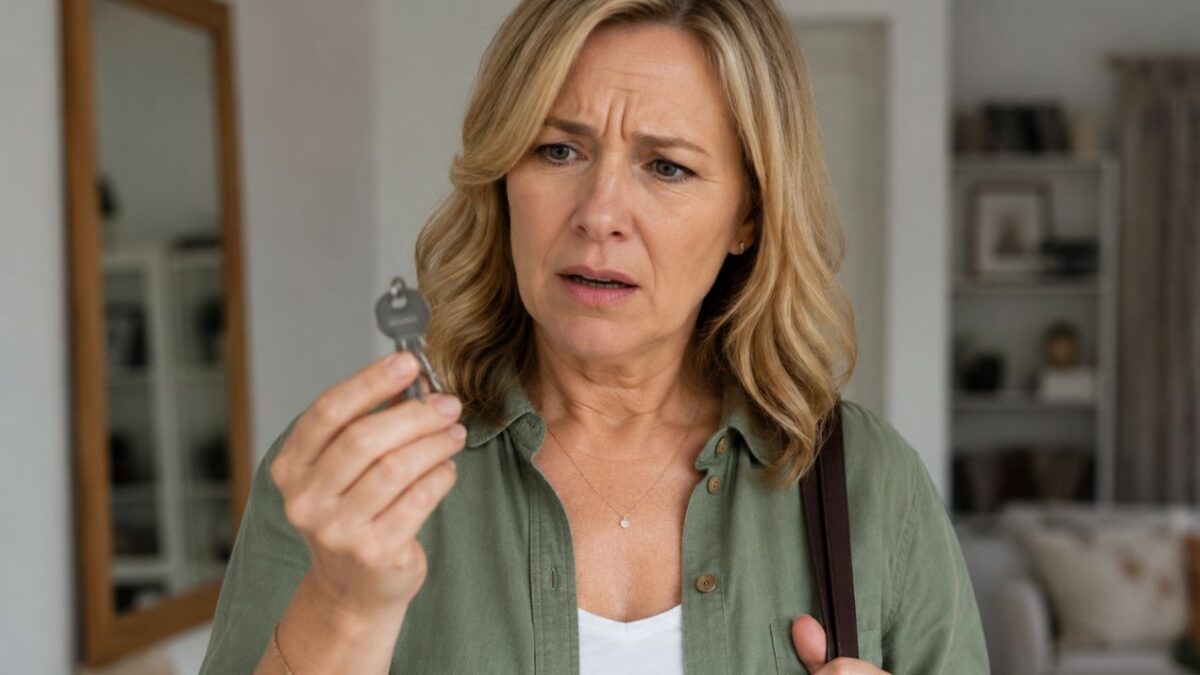
Brain Fog: Are You Making These 5 Mistakes That Make It Worse?

Experiencing moments where your mind feels clouded and you can’t seem to focus can be incredibly frustrating. This phenomenon, commonly known as “brain fog,” can significantly impact your daily productivity and overall mental health. But what if certain habits or routines you follow are actually exacerbating your brain fog? In this article, we will explore five common mistakes that might be making your brain fog worse and provide practical tips to help you regain your mental clarity.

Understanding Brain Fog

Brain fog isn’t a medical condition but a term that describes symptoms affecting your cognitive abilities. It encompasses a variety of issues, including memory problems, lack of mental clarity, poor concentration, and the inability to focus. Several factors can contribute to brain fog, from lifestyle choices to medical conditions.

Common Causes of Brain Fog

  • Poor sleep quality: Not getting enough sleep or having disturbed sleep can lead to poor cognitive function.
  • Diet: High sugar consumption and not getting enough vitamins can affect your brain function.
  • Stress: Chronic stress is perhaps one of the most significant contributors to brain fog.
  • Physical inactivity: Lack of regular exercise can negatively impact your mental health.
  • Medical conditions: Certain conditions like fibromyalgia, multiple sclerosis, and depression are linked with brain fog.

Are You Making These Mistakes?

1. Neglecting Your Sleep

Sleep is crucial for brain health. Poor sleep habits, including inconsistent sleep schedules and not getting enough rest, can impair your cognitive functions and exacerbate brain fog.

How to Improve Your Sleep:

  • Establish a regular bedtime routine: Going to bed and waking up at the same time every day can significantly improve your sleep quality.
  • Create a restful environment: Ensure your bedroom is conducive to sleep, which means it should be dark, cool, and quiet.
  • Limit screen time before bed: Exposure to blue light from screens can disrupt your natural sleep cycle.

2. Unhealthy Diet Choices

What you eat directly affects the efficiency of your brain. Diets high in sugar and unhealthy fats can increase inflammation and reduce cognitive function.

Tips for a Brain-Healthy Diet:

  • Incorporate omega-3 fatty acids: Foods like fish, flax seeds, and walnuts support brain health.
  • Increase your intake of fruits and vegetables: These are high in antioxidants that help fight inflammation.
  • Stay hydrated: Dehydration can lead to confusion and tiredness.

3. Overlooking Physical Exercise

Physical activity is vital not only for your body’s health but also for your brain. Regular exercise increases blood flow to the brain and helps to clear foggy thinking.

Ways to Incorporate Exercise into Your Routine:

  • Take short walks: Even a brief walk can help clear your mind and improve your focus.
  • Try yoga: Yoga can help reduce stress and improve your mental clarity.
  • Engage in aerobic exercises: Activities like swimming, cycling, and running can boost your brain function.

4. Ignoring Mental Health

Stress and anxiety can significantly contribute to brain fog. Managing your mental health is crucial for maintaining clear thinking.

Strategies to Manage Stress:

  • Practice mindfulness: Techniques such as meditation and breathing exercises can help reduce stress.
  • Seek professional help: Sometimes, talking to a therapist can provide strategies to better manage your mental health.
  • Connect with others: Social interaction can reduce stress and help you feel grounded.

5. Mismanaging Chronic Conditions

If you have a medical condition associated with brain fog, mismanagement of your condition can make symptoms worse. Regular consultations with your healthcare provider are crucial.

Managing Chronic Conditions:

  • Follow your treatment plan: Adhering to your doctor’s recommendations can help mitigate symptoms.
  • Monitor your symptoms: Keeping track of your brain fog can help you identify patterns and triggers.

Takeaway

If you’re struggling with brain fog, it’s essential to examine your daily habits and routines. Simple changes, such as improving your sleep, adjusting your diet, incorporating physical and mental exercises, and properly managing any chronic conditions, can significantly enhance your cognitive function. By avoiding these five mistakes, you can pave the way for clearer thinking and improved mental agility.


Embracing Change: Why Women Shouldn’t Worry About Menopause

Menopause, that inevitable rite of passage all women must face, is often cloaked in negative discourse, stigmatized by society, and shrouded in fear. It is seen as a sign of aging, the end of fertility, and the onset of uncomfortable symptoms such as hot flashes and mood swings. However, it is high time we shift the perspective, dispel the misconceptions, and highlight the positives of this natural transition. Here’s why women shouldn’t worry about menopause.

1. Menopause is Natural

Firstly, it’s crucial to understand that menopause is a natural biological process – not a medical problem or a sign of an illness. Every woman on the planet who reaches a certain age goes through this phase. It’s as natural as puberty, another major hormonal transition women undergo. Just as we embrace the changes during puberty, we can also learn to accept the changes during menopause with grace and understanding.

2. Freedom From Menstruation

Although this point may seem trivial, it is indeed a significant one. Imagine not having to deal with the monthly inconvenience of periods anymore, including the physical discomfort, the mood swings, and the general disruption to daily life. Menopause brings an end to monthly menstruation, offering a newfound freedom that many women embrace and appreciate.

3. No More Fertility Worries

If you’re past the stage of wanting children, menopause brings a relief from worries about unwanted pregnancy. You can enjoy your sexual life without the concerns of contraception, marking a new era of freedom and spontaneity in your intimate relationships.

4. A Time For Self-Care and Rejuvenation

The transition of menopause can also be a powerful catalyst for positive lifestyle changes. It is an opportune time to prioritize self-care, focusing on maintaining bone strength, heart health, and overall fitness. Regular exercise, a balanced diet, sufficient sleep, and stress management are key to managing menopausal symptoms, and they also contribute to a healthier and happier life in the long run.

5. Emotional Growth and Wisdom

With age comes wisdom. Menopause often coincides with a stage in life when women feel more confident, self-assured, and emotionally stable. It is a phase where many women feel a sense of liberation, an increased self-awareness, and a deep understanding of their needs and desires. It is a time for personal growth, self-exploration, and the pursuit of passions that might have been put on hold during child-rearing years.

6. The Power of Modern Medicine

In cases where menopause symptoms become disruptive, modern medicine has a variety of solutions to offer. Hormone replacement therapy (HRT), natural supplements, and lifestyle changes can all effectively mitigate symptoms like hot flashes, insomnia, and mood swings. Always consult with your healthcare provider about the best course of action for your unique circumstances.

7. A Stronger Sense of Community

There is a strong, supportive community of women who are going through the same journey. Sharing experiences, advice, and moral support can make the menopause journey less daunting and more empowering. Online forums, support groups, and social media communities offer a wealth of resources and a sense of camaraderie.

To conclude, menopause should not be a source of fear or anxiety. Instead, it should be viewed as a natural, even liberating phase of life, marked by growth, wisdom, and self-discovery. By shifting the perspective and focusing on the positive aspects, we can change the narrative around menopause and help women approach this transition with confidence and serenity. Remember, every woman’s menopause journey is unique – it’s about finding what works best for you and embracing this new chapter with optimism and resilience.

The Weight That Won’t Budge: Why Your Body Changes During Menopause

You haven’t changed much—but your body has. Here’s why weight suddenly feels harder to manage during menopause, and what actually helps without punishing yourself in the process.

There’s a moment many women remember with startling clarity.

You’re standing in front of the mirror one morning, tugging at jeans that fit perfectly six months ago. Or maybe it happens in a dressing room under cruel fluorescent lighting. Maybe after a workout you used to swear by. Maybe after stepping on the scale and seeing a number that makes absolutely no sense.

Because nothing changed.

You still eat mostly the same.
You still try to move your body.
You’re still being “good.”

And yet your body suddenly feels unfamiliar.

Softer around the middle.
More tired.
More resistant.
Almost like it stopped listening to you.

For many women in perimenopause and menopause, this isn’t just about weight gain. It’s about betrayal. Confusion. Grief. The unsettling realization that the rules your body followed for decades no longer seem to apply.

And here’s the part no one says loudly enough:

This is not a failure of discipline.

Your body is going through one of the most significant hormonal recalibrations of your entire life. That shift affects far more than periods and hot flashes. It changes metabolism, fat distribution, insulin sensitivity, muscle mass, stress response, sleep quality, and even the way your brain regulates hunger and fullness.

In other words? The game changed.

But most women are still trying to play by the old rules.

Let’s talk about what’s actually happening inside your body during menopause weight gain—and why supporting yourself through this phase requires far more compassion than punishment.

When Your Body Stops Responding the Way It Used To

For years, your body probably felt relatively predictable.

Maybe you could tighten up your eating for a couple weeks and lose a few pounds. Maybe adding extra cardio worked after the holidays. Maybe your metabolism felt forgiving enough that you didn’t have to think too hard about it.

Then sometime in your 40s or early 50s… everything shifted.

Suddenly:

  • Weight appears faster
  • It settles around the abdomen
  • Muscle tone changes
  • Energy drops
  • Recovery slows
  • Sleep gets worse
  • Stress hits harder

And the strategies that once worked? They barely move the needle.

This is often the moment women blame themselves.

They assume they’ve become lazy.
Undisciplined.
Weak.

But menopause researchers say something very different.

Researchers from Mayo Clinic explain that midlife weight gain is usually driven by a combination of aging, hormonal changes, lower muscle mass, sleep disruption, and lifestyle stressors—not simply a lack of discipline.

That distinction matters.

Because women have spent decades believing body size is purely a moral issue.

It isn’t.

Your biology matters, too.

Why Menopause Weight Gain Often Shows Up Around the Belly

One of the most frustrating parts of menopause weight gain is that it often feels different from previous weight fluctuations.

It’s not just the number on the scale.

It’s the location.

Women who once carried weight in their hips or thighs may suddenly notice:

  • increased abdominal fat
  • thickening around the waist
  • bloating that feels persistent
  • a loss of body definition

And emotionally? This shift can feel deeply personal.

Because the stomach area is culturally loaded. Women are taught—constantly—that a flat midsection equals health, attractiveness, self-control, desirability.

So when the body begins storing more fat around the abdomen, it can trigger panic far beyond aesthetics.

But here’s what’s fascinating:

The Menopause Society notes that while aging plays a major role in midlife weight gain, menopause itself contributes to a shift in where fat is stored—often moving it toward the abdominal area.

This is sometimes called the transition from a “pear-shaped” body pattern to a more “apple-shaped” distribution.

And it’s incredibly common.

That means some women aren’t necessarily gaining massive amounts of weight.

Their body composition is changing.

And that distinction explains why clothes may fit differently even if the scale barely moves.

It also explains why many women feel like they “woke up in someone else’s body.”

Because in some ways… they did.

Why Your Metabolism Feels Slower—Even If Nothing Has Changed

Here’s where things get especially maddening.

Many women in midlife genuinely aren’t eating more than they used to. Some are eating less.

Yet weight still creeps upward.

Part of this comes down to muscle mass.

Starting around our 30s—and accelerating during menopause—the body naturally begins losing lean muscle tissue. Muscle is metabolically active, meaning it burns more energy even at rest. So when muscle mass decreases, the body requires fewer calories overall.

In practical terms?

Your body becomes more energy-efficient.
But modern life hasn’t adjusted for that reality.

This is why the same eating habits that maintained your weight at 35 may lead to gradual gain at 50.

And there’s another layer many women overlook: sleep.

Menopause and perimenopause commonly disrupt sleep through:

  • night sweats
  • insomnia
  • anxiety
  • frequent waking

Poor sleep affects hormones involved in hunger and fullness regulation. It also increases cravings for high-sugar, high-fat foods because the brain becomes desperate for quick energy.

In their review on menopause and weight, Davis and colleagues found that the menopause transition is linked not just with weight changes, but also with shifts in body composition—especially increases in abdominal fat.

So if you’ve found yourself craving carbs late at night or emotionally eating after exhausting days, your body isn’t “broken.”

It’s trying to compensate for depletion.

And stress? That matters too.

Chronically elevated stress can influence appetite, energy regulation, and fat storage—especially around the abdomen. Midlife women are often simultaneously managing careers, aging parents, teenagers, relationships, financial pressure, and invisible emotional labor while hormones fluctuate underneath the surface.

No wonder the body feels overwhelmed.

Sometimes menopause weight gain isn’t about eating too much.

Sometimes it’s about surviving too much.

Why “Trying Harder” Doesn’t Always Work Anymore

This is usually the point where women double down.

More restriction.
More cardio.
Fewer carbs.
Skipping meals.
Punishing workouts.

But menopause changes the equation.

Extreme dieting during midlife can actually backfire by:

  • increasing stress hormones
  • worsening muscle loss
  • intensifying fatigue
  • triggering cycles of restriction and overeating

And emotionally? Constant restriction can create a painful relationship with food and body image.

The truth is, many women entering menopause are carrying decades of diet culture trauma already. They’ve spent years shrinking themselves. Controlling themselves. Apologizing for taking up space.

Then menopause arrives and demands something radical:

Adaptation instead of punishment.

That can feel terrifying.

Because control is seductive.

Especially when your body suddenly feels unpredictable.

But Mayo Clinic researchers emphasize that realistic, sustainable strategies—including balanced nutrition, movement, and preserving lean muscle mass—are far more supportive long-term than extreme restriction.

That’s a completely different mindset.

Instead of asking:
“How do I force my body to be smaller?”

The better question becomes:
“How do I support my body through massive hormonal change?”

That shift changes everything.

The Emotional Layer of Weight Changes No One Talks About

Weight changes during menopause are rarely just physical.

They touch identity.
Confidence.
Sexuality.
Visibility.
Aging.
Self-worth.

And many women grieve those changes quietly.

There’s grief in realizing your old body no longer responds the same way.
Grief in feeling invisible in a culture obsessed with youth.
Grief in outgrowing clothes that once made you feel powerful.
Grief in not recognizing yourself in photos.

Sometimes women feel ashamed for caring so much.

But of course they care.

Women are taught from girlhood that their bodies are social currency. That thinness equals discipline. That aging should be hidden. That softness is failure.

Then menopause arrives—a phase that naturally changes body composition—and women are expected to navigate it silently while pretending none of it hurts.

But it does hurt.

And pretending otherwise only deepens the isolation.

One of the most healing things women can hear is this:

You are allowed to mourn changes in your body while still respecting it.

Those two things can exist together.

You can miss your younger body and still appreciate the body carrying you through midlife.
You can feel frustrated and compassionate.
You can want health improvements without hating yourself.

This emotional complexity deserves far more conversation than it gets.

Because the mental burden of menopause weight gain is often heavier than the physical changes themselves.

What Actually Supports Your Body Now (Without Extremes)

Here’s the encouraging news:

While menopause changes the body, it does not mean you are powerless.

But support during midlife often looks different than it did before.

And honestly? Different can be better.

Prioritize Protein Like Your Future Depends On It

Because in many ways, it does.

Protein becomes critically important during menopause because it helps preserve muscle mass, stabilize blood sugar, support satiety, and maintain strength as estrogen declines.

Many women unintentionally under-eat protein—especially at breakfast.

Instead of chasing restrictive diets, focus on building meals around:

  • eggs
  • Greek yogurt
  • fish
  • chicken
  • tofu
  • lentils
  • cottage cheese
  • protein-rich snacks

Not for punishment.
For nourishment.

Strength Training Is More Important Than Endless Cardio

For years, women were told cardio was the answer to weight management. But during menopause, preserving muscle becomes one of the most protective things you can do for metabolism, bone density, balance, and long-term health.

The Menopause Society recommends regular movement and muscle-supporting activity as part of healthy weight management during midlife.

That doesn’t mean becoming obsessed with the gym.

It can mean:

  • resistance bands
  • bodyweight exercises
  • Pilates
  • weight lifting
  • strength-focused yoga

The goal isn’t shrinking yourself.

It’s building resilience.

Stabilize Blood Sugar Instead of Constantly Restricting Food

Many women notice they become more sensitive to energy crashes during perimenopause.

Skipping meals may suddenly lead to:

  • shakiness
  • irritability
  • intense cravings
  • anxiety
  • exhaustion

Balanced meals with protein, fiber, healthy fats, and complex carbohydrates can help stabilize energy and reduce the cycle of deprivation and overeating.

This is where many women experience a huge “aha” moment.

Their body wasn’t demanding punishment.

It was demanding consistency.

Sleep Is Metabolic Healthcare

Poor sleep affects:

  • appetite regulation
  • stress response
  • inflammation
  • cravings
  • emotional eating
  • energy levels

Yet women are often told to “just try harder” while functioning on fragmented sleep night after night.

Protecting sleep during menopause may involve:

  • cooling the bedroom
  • reducing alcohol
  • managing stress
  • limiting late caffeine
  • discussing symptoms with a healthcare provider
  • creating calming nighttime routines

Because exhaustion changes everything.

Including how the body manages weight.

Stress Reduction Isn’t Optional Anymore

Midlife stress hits differently.

Your nervous system becomes less tolerant of chronic overload. Recovery takes longer. Burnout becomes more physical.

And many women have spent decades ignoring stress signals because caretaking demanded it.

But menopause often forces a reckoning.

The body begins saying:
“I can’t keep operating like this.”

Sometimes support looks like therapy.
Sometimes boundaries.
Sometimes saying no more often.
Sometimes walking outside without your phone.
Sometimes finally admitting you’re tired.

Not lazy.
Tired.

There’s a difference.

When Weight Changes Are Worth a Closer Look

While some weight changes are common during menopause, it’s important not to dismiss every symptom as “just hormones.”

Rapid or significant weight changes deserve medical attention—especially if accompanied by:

  • severe fatigue
  • hair loss
  • digestive changes
  • depression
  • heart palpitations
  • swelling
  • unexplained pain

Conditions like:

  • thyroid disorders
  • insulin resistance
  • sleep apnea
  • depression
  • medication side effects

can overlap with menopause symptoms.

This is why self-advocacy matters so deeply during midlife.

Too many women are dismissed.
Told it’s normal.
Told to eat less and move more.
Told their symptoms are simply aging.

You deserve comprehensive care—not assumptions.

And if a provider minimizes your concerns? It’s okay to seek another opinion.

Your body is speaking.
You deserve someone willing to listen.

Maybe Your Body Isn’t Failing You After All

What if menopause weight gain isn’t proof that your body betrayed you?

What if it’s evidence that your body is adapting to an entirely new hormonal reality?

That perspective changes the emotional landscape completely.

Because suddenly the goal isn’t punishment.
It’s partnership.

Not shrinking at war with yourself.
But learning your body’s new language.

And yes, that takes time.

There may still be hard days.
Dressing-room meltdowns.
Moments of comparison.
Fear about aging.
Frustration when nothing fits right.

But there can also be something else:

Relief.

Relief in understanding this transition isn’t about laziness.
Relief in releasing impossible standards.
Relief in realizing your worth was never tied to your waistline in the first place.

Your body is changing.
But that doesn’t mean it’s broken.

It means it’s asking for a different kind of care now.

Millions of women are navigating the exact same confusing, emotional, frustrating shift—and many are quietly wondering if they’re somehow failing.

They aren’t.
And neither are you.

Sometimes the most powerful thing we can do during midlife is stop fighting our bodies long enough to actually listen to them.

What changes have you noticed most during perimenopause or menopause? What’s helped—and what hasn’t? Share your experience with other women navigating this season of life. Someone else may need to hear they’re not the only one feeling this way.


References

Kapoor, E., Collazo-Clavell, M. L., & Faubion, S. S. (2017). Weight gain in women at midlife: A concise review of the pathophysiology and strategies for management. Mayo Clinic Proceedings, 92(10), 1552–1558. https://doi.org/10.1016/j.mayocp.2017.08.004

Davis, S. R., Castelo-Branco, C., Chedraui, P., Lumsden, M. A., Nappi, R. E., Shah, D., & Villaseca, P. (2012). Understanding weight gain at menopause. Climacteric, 15(5), 419–429. https://doi.org/10.3109/13697137.2012.707385

The Menopause Society. (2024). Midlife weight gain. https://menopause.org/wp-content/uploads/for-women/MenoNote-Weight-Gain.pdf

Why Small Things Suddenly Feel Big?

There’s a moment many women in perimenopause quietly recognize—but rarely talk about.

You’re standing in the kitchen trying to finish dinner. The television is humming in the background. Your phone lights up again. Someone asks you a question while the dog barks at the door and suddenly…

Your chest tightens.

You feel irritated. Overwhelmed. Almost trapped inside the noise of ordinary life.

And what’s confusing is that nothing catastrophic happened.

It was just… too much.

The sound.
The pressure.
The interruptions.
One more thing needing your attention when your brain already feels full.

For many women in midlife, this experience arrives unexpectedly. Things that once felt manageable suddenly feel emotionally enormous.

And with that shift often comes a deeply unsettling thought:

“Why can’t I handle things the way I used to?”

Here’s the truth most women are never told:

Perimenopause doesn’t only affect your hormones. It affects your nervous system too.

The emotional overwhelm, heightened stress sensitivity, irritability, and feeling constantly “on edge” that many women experience during this stage of life are not imagined. They’re often deeply connected to the way hormonal fluctuations influence the brain, stress response, sleep quality, and emotional regulation.

And once you understand that connection, everything starts making a little more sense.

When Everyday Life Starts Feeling Overwhelming

One of the first things many women notice during perimenopause isn’t necessarily hot flashes or missed periods.

It’s overstimulation.

The grocery store suddenly feels exhausting.
Background noise feels unbearable.
Multitasking becomes mentally draining.
Even small inconveniences trigger outsized emotional reactions.

You may find yourself becoming irritated faster than before—or emotionally exhausted by situations you once handled easily.

And perhaps the strangest part?

You still look “fine” from the outside.

But internally, your nervous system feels overloaded.

The Menopause Charity notes that hormonal changes during menopause can make women more vulnerable to stress and emotional overwhelm, particularly when combined with the mental load many women already carry in midlife.

That’s an important distinction because many women assume they’re simply becoming less patient, less resilient, or less capable.

But often, the issue isn’t weakness.

It’s nervous system strain.

Your Hormones and Nervous System Are Deeply Connected

Most people think of estrogen as a reproductive hormone.

But estrogen affects far more than fertility.

It also plays an important role in brain function, emotional regulation, sleep, cognition, and the body’s stress response system. Researchers have found that fluctuating estrogen levels during the menopause transition may affect neurotransmitters connected to mood and emotional stability—including serotonin and dopamine.

Which helps explain why your emotional reactions may suddenly feel more intense than they used to.

Your hormones and nervous system are constantly communicating with one another.

So when hormone levels begin fluctuating unpredictably during perimenopause, the nervous system can become more reactive to:

  • stress
  • overstimulation
  • emotional pressure
  • lack of sleep
  • unpredictability
  • multitasking
  • sensory overload

In practical terms, this means ordinary stress can suddenly feel extraordinary.

The crowded store feels unbearable.
The constant notifications feel intrusive.
The noise feels sharper.
Recovery takes longer.

And many women begin feeling emotionally flooded much faster than before.

Why You Feel “On Edge” Without a Clear Reason

This may be one of the most confusing symptoms of all.

Because sometimes there isn’t an obvious problem.

Life may be busy—but not disastrous.

Yet your body still feels tense.

Your jaw tightens.
Your shoulders stay clenched.
Your thoughts race at night.
You struggle to fully relax, even when you finally sit down.

Some women describe it as feeling:

  • emotionally raw
  • overstimulated
  • hyperaware
  • wired but exhausted
  • unusually reactive
  • unable to fully settle

The Menopause Society has acknowledged that anxiety and emotional sensitivity are common experiences during the menopause transition, with many women reporting increased feelings of tension, irritability, and nervousness during perimenopause.

And this matters because many women blame themselves first.

They assume they’re:

  • overreacting
  • becoming “too sensitive”
  • failing to cope properly

But your reactions may not be irrational at all.

Your nervous system may simply be responding differently than it once did.

The Stress Response Changes During Perimenopause

Stress in midlife doesn’t just feel emotional.

It often feels physical.

A frustrating conversation can linger in your body for hours.
One bad night of sleep can derail your entire day emotionally.
Small stressors suddenly feel harder to recover from.

Emerging research published through the National Institutes of Health suggests that hormonal fluctuations during menopause may influence brain systems involved in emotional regulation, stress sensitivity, and mood stability.

In other words:

Your stress response system may become more reactive during this phase of life.

And then there’s the reality many women are living inside every single day.

Midlife often comes with:

  • caregiving responsibilities
  • aging parents
  • demanding careers
  • relationship stress
  • financial pressure
  • chronic multitasking
  • invisible emotional labor
  • sleep disruption

So your nervous system isn’t reacting to one isolated stressor.

It’s reacting to accumulated overload.

Over time, the body begins losing some of its buffering capacity—and even relatively minor stress can start feeling emotionally enormous.

The Nervous System Symptoms Nobody Warns Women About

Perimenopause symptoms don’t always look hormonal.

Sometimes they look neurological.

Or emotional.

Or sensory.

You may notice:

Increased Sensitivity to Noise

Sounds that never used to bother you suddenly feel irritating or overwhelming.

The television feels too loud.
Crowded environments drain you faster.
Even repetitive noises can trigger tension or agitation.

Emotional Flooding

Small frustrations trigger unexpectedly large emotional reactions.

You cry more easily.
Snap faster.
Feel emotionally overloaded by normal daily interactions.

Difficulty Switching Between Tasks

Transitions become mentally exhausting.

You walk into rooms and forget why.
Interruptions derail your focus.
Multitasking suddenly feels impossible.

Physical Signs of Stress Activation

The nervous system often speaks through the body.

You may notice:

  • jaw clenching
  • headaches
  • muscle tension
  • shallow breathing
  • racing heart sensations
  • digestive discomfort

And because these symptoms don’t always look “hormonal,” many women never realize they may still be connected to perimenopause.

Sleep Changes Make Everything Feel Harder

Now let’s talk about the accelerant behind so many nervous system symptoms:

Sleep disruption.

Because when sleep suffers, emotional resilience suffers too.

And unfortunately, sleep disturbances become incredibly common during perimenopause due to hormonal fluctuations, nighttime anxiety, hot flashes, and cortisol dysregulation.

Research consistently shows that poor sleep increases emotional reactivity and lowers stress tolerance. Which means the nervous system becomes even more sensitive to stimulation and emotional pressure.

That’s why:

  • noise feels louder
  • patience disappears faster
  • emotional recovery takes longer
  • overwhelm arrives more quickly

You may still technically be functioning…

But internally, your nervous system feels exhausted.

The Menopause Charity notes that stress and menopause symptoms often feed one another in a cycle: stress worsens symptoms, and worsening symptoms increase stress even further.

And honestly?

Many women are trying to navigate perimenopause while profoundly under-rested.

That changes everything.

Why Women Often Think They’re “Failing”

This part runs deeper than hormones.

Many women entering midlife have spent decades being:

  • dependable
  • productive
  • emotionally available
  • accommodating
  • resilient under pressure

So when their nervous system suddenly becomes more sensitive, it can feel profoundly unsettling.

You start wondering:
“Why can’t I cope like I used to?”

But maybe the better question is:

How long has your body been surviving on stress alone?

Perimenopause has a way of exposing the cost of chronic overfunctioning.

The coping mechanisms that worked at 30 often stop working at 45.

Pushing through stops working.
Ignoring exhaustion stops working.
Running entirely on adrenaline stops working.

And while that can feel frightening at first, it can also become a turning point.

Because sometimes the body raises the alarm when it can no longer tolerate being ignored.

The Science Behind Emotional Overload

Researchers are continuing to explore how hormonal fluctuations affect the brain during menopause—and the findings are significant.

Studies published through the National Institutes of Health suggest that estrogen changes may influence regions of the brain involved in:

  • mood regulation
  • emotional processing
  • stress response
  • cognitive function

This helps explain why many women experience:

  • increased anxiety
  • irritability
  • emotional sensitivity
  • brain fog
  • difficulty concentrating
  • heightened stress reactions

It’s not “all in your head.”

There is a genuine physiological component to these emotional experiences.

And understanding that can be incredibly freeing.

Because once women realize there’s a biological reason behind what they’re feeling, shame often begins to loosen its grip.

Simple Ways to Support Your Nervous System

The goal during perimenopause isn’t eliminating stress completely.

That’s impossible.

The goal is helping your nervous system feel safer, steadier, and less overloaded.

And often, small supportive changes matter more than extreme wellness routines.

Reduce Constant Stimulation

Your nervous system may need less input than it used to.

That might mean:

  • lowering background noise
  • stepping away from constant notifications
  • limiting multitasking
  • taking breaks from overstimulating environments
  • protecting quiet time without guilt

This isn’t laziness.

It’s regulation.

Stop Waiting Until You’re Completely Overwhelmed

Many women only rest after hitting emotional exhaustion.

But nervous system support works best proactively—not reactively.

Small pauses throughout the day matter.

A few minutes of silence.
A slower transition between tasks.
Stepping outside for air before your stress peaks.

These tiny moments help interrupt chronic stress activation before it snowballs.

Prioritize Sleep Like It’s Healthcare

Because honestly, it is.

Sleep affects:

  • mood regulation
  • cortisol balance
  • emotional resilience
  • cognitive function
  • nervous system recovery

And during perimenopause, quality sleep becomes even more biologically important.

Protecting sleep isn’t indulgent.

It’s foundational.

Move Your Body in Ways That Feel Supportive

Exercise during midlife should support the nervous system—not punish it.

Walking, stretching, yoga, strength training, and mobility work can all help regulate stress hormones and improve emotional resilience.

The key isn’t intensity.

It’s consistency and recovery.

When Overwhelm Becomes Something More Serious

While stress sensitivity and emotional overwhelm can be common during perimenopause, persistent symptoms deserve professional support.

Talk with a healthcare provider if you experience:

  • severe anxiety
  • panic attacks
  • depression symptoms
  • chronic insomnia
  • inability to function normally
  • ongoing emotional distress
  • thoughts of self-harm

Women’s emotional symptoms during menopause are often minimized or dismissed.

But struggling does not mean you’re weak.

And you deserve support that takes your symptoms seriously.

You Are Not Imagining This

If small things suddenly feel bigger than they used to…

If noise exhausts you…
If multitasking overwhelms you…
If your patience feels thinner…
If your nervous system feels constantly “on”…

You are not imagining it.

Your body may simply be responding differently during this stage of life.

And while that can feel disorienting, it also means your body is communicating something important.

Not weakness.
Not failure.
Not inadequacy.

A need for support.

A need for regulation.

A need for care.

And perhaps the most powerful shift of all happens when women stop asking:

“What’s wrong with me?”

And start asking:

“What does my body need from me now?”

You’re Not Alone In This

Sometimes the most healing realization during perimenopause is this:

Your body isn’t betraying you.
It’s adapting.

And understanding those changes can transform the way you move through this season of life—with more compassion, clarity, and support.

Explore more expert-backed menopause resources at Menopause Network.


Disclaimer: This content is for informational purposes only and is not a substitute for professional medical advice, diagnosis, or treatment. Always consult your healthcare provider before making any decisions about your health, especially related to medication, hormones, or sexual wellbeing. Every woman’s body is different, and what works for one may not work for another.


References

The Menopause Charity. Menopause and stress.
https://themenopausecharity.org/information-and-support/symptoms/menopause-and-stress/

The Menopause Society. Feeling anxious during menopause? Hormone therapy may or may not help.
https://menopause.org/press-releases/feeling-anxious-during-menopause-hormone-therapy-may-or-may-not-help

National Institutes of Health.
https://pmc.ncbi.nlm.nih.gov/articles/PMC9934205/

National Institutes of Health.
https://pmc.ncbi.nlm.nih.gov/articles/PMC6092036/

WebMD. Estrogen and women’s emotions.
https://www.webmd.com/women/estrogen-and-womens-emotions

Brain Fog or Burnout? How to Tell What’s Really Going On

You walk into a room—and forget why.

Mid-sentence, the word you need disappears. Not a complicated word. A normal one. A word you’ve used your entire life.

You reread the same email three times before it finally clicks.

And suddenly, quietly, the fear creeps in:

“What is happening to my brain?”

Menopause brain fog can feel deeply unsettling because it affects something personal: your ability to think clearly, remember easily, and feel mentally sharp.

For many women, this moment doesn’t feel like “just stress.” It feels deeply personal. Because when your memory, focus, and mental sharpness start shifting, it can shake your confidence in ways people rarely talk about.

You start second-guessing yourself at work. You forget appointments you normally wouldn’t. You lose track of conversations halfway through. And perhaps most frightening of all—you wonder if this is permanent.

Here’s the thing nobody explains clearly enough: brain fog during perimenopause is incredibly common. And no, it does not mean you’re becoming unintelligent, lazy, incapable, or “losing your mind.”

But brain fog also exists alongside another modern epidemic many women are carrying silently: burnout. And sometimes the two feel almost identical.

So how do you know whether your exhausted brain is reacting to hormonal changes, chronic stress, emotional overload—or all three at once?

That’s where this conversation gets important.

Because understanding what’s really happening inside your brain can change how you respond to yourself. Instead of panic. Instead of shame. Instead of pushing harder until your nervous system waves a white flag.

This is about learning what your brain actually needs now—and why compassion, not self-criticism, may be the smartest strategy of all.

The Moment You Forget Something You Shouldn’t

It’s not just occasional forgetfulness.

It’s the strange feeling of suddenly struggling with things that once felt automatic.

The missed word. The forgotten password. The blank moment during a meeting. The realization that you opened your phone five times and still can’t remember what you needed.

At first, you brush it off. You laugh nervously. You blame stress. You tell yourself you just need more sleep.

But then it keeps happening.

And because society has conditioned women to tie competence to performance, these moments can trigger something much bigger than frustration. They can spark fear about aging, identity, capability, and worth.

Especially for women who have always been “the organized one.” The multitasker. The reliable one. The woman who remembers everything for everyone.

When cognitive shifts start interrupting that identity, it can feel deeply destabilizing.

Many women describe perimenopausal brain fog not as dramatic memory loss—but as a subtle disconnect between their thoughts and their ability to access them. Like your brain is buffering.

You know the information is there… but suddenly retrieving it feels harder.

Researchers increasingly believe many menopause-related cognitive complaints are linked less to actual memory storage problems and more to attention, processing speed, and working memory strain. According to Harvard Health, many women notice temporary changes in focus, concentration, and verbal recall during the menopause transition.

That distinction matters. Because fear can quickly turn normal hormonal cognitive shifts into catastrophic thinking. And catastrophic thinking only increases stress hormones—which can make brain fog feel even worse.

What Menopause Brain Fog Really Looks Like Day to Day

Brain fog isn’t usually dramatic.

It rarely looks like the exaggerated memory problems women fear most. Instead, it often shows up in quiet, frustrating ways that slowly wear down confidence over time.

You may notice:

  • Difficulty concentrating during conversations
  • Slower mental processing
  • Forgetting why you entered a room
  • Trouble recalling familiar words
  • Mental fatigue after simple tasks
  • Losing your train of thought mid-sentence
  • Reduced multitasking ability
  • Feeling mentally “crowded”
  • Difficulty absorbing new information
  • Rereading things repeatedly

For many women, the most exhausting part isn’t even the cognitive symptom itself. It’s the emotional labor of compensating for it.

You start writing more lists. Double-checking everything. Overpreparing. Apologizing constantly. Pretending you’re fine while internally scrambling.

And because women in midlife are often simultaneously managing careers, aging parents, finances, relationships, and children, cognitive overload becomes almost inevitable.

Your brain isn’t malfunctioning in isolation. It’s operating inside a body navigating hormonal fluctuations while carrying enormous emotional and mental demands.

The Menopause Society notes that cognitive complaints—including forgetfulness, difficulty concentrating, and mental fatigue—are common during the menopause transition.

Normal doesn’t mean easy, of course. But understanding that distinction can relieve some of the shame women quietly carry.

Because too many women interpret brain fog as personal failure instead of biological transition.

Why Your Brain Feels Slower—Even When You’re Trying Harder

Here’s the paradox many women experience during perimenopause:

The harder you push yourself mentally, the worse your brain sometimes performs.

So naturally, you respond the way high-functioning women often do: you make more lists, drink more coffee, work longer hours, multitask harder, and push through exhaustion.

But instead of feeling sharper, you feel mentally fried.

That’s because hormonal changes can influence several systems involved in cognitive function—including attention regulation, sleep quality, mood stability, and neural communication.

Estrogen, in particular, plays a major role in brain health.

Researchers from the National Institute on Aging explain that estrogen affects regions of the brain involved in verbal memory, learning, and mood regulation. As estrogen fluctuates during perimenopause, many women notice temporary shifts in focus and mental clarity.

And this is where things become especially frustrating:

Brain fog isn’t simply about “forgetfulness.” It’s often about cognitive bandwidth.

Your brain is trying to process information while simultaneously navigating:

  • sleep disruption
  • anxiety
  • hot flashes
  • mood fluctuations
  • increased cortisol
  • emotional stress
  • overstimulation
  • hormonal instability

Imagine trying to stream five videos at once on weak Wi-Fi. Everything slows down—not because the system is broken, but because the system is overloaded.

Now add modern life into the equation: constant notifications, endless multitasking, emotional caregiving, workplace pressure, and mental clutter.

No wonder so many women feel mentally exhausted.

And here’s something many people don’t realize: chronic stress itself can impair attention, memory retrieval, and concentration. Which means burnout and hormonal brain fog often amplify each other.

It’s not either/or for many women.

It’s both.

Brain Fog vs Burnout: How to Tell the Difference

This is where things get complicated.

Because burnout can mimic many symptoms of hormonal brain fog almost perfectly.

Both can make you forgetful. Both can make concentration difficult. Both can leave you mentally exhausted.

But there are differences worth paying attention to.

Brain FogBurnout
Often fluctuates day to dayFeels consistently heavy
Frequently tied to hormonal shifts or sleep disruptionMore tied to chronic stress and emotional depletion
May worsen around menstrual changesUsually connected to workload or life overwhelm
Can improve with rest or reduced stimulationRest alone may not fully restore energy
Feels like mental “slowness”Feels like emotional exhaustion and numbness
Commonly includes word-finding difficultyOften includes cynicism or detachment

Still, the line between the two is rarely perfectly clean.

A woman navigating perimenopause may already be emotionally exhausted before hormonal shifts begin intensifying cognitive strain. And many women entering midlife are doing so during one of the busiest, most emotionally demanding periods of their lives.

They’re caring for children while helping aging parents. Managing careers while navigating changing relationships. Trying to maintain productivity while sleeping terribly.

It’s not surprising their brains are waving distress signals.

The real danger happens when women interpret these signals as weakness instead of information.

Your body is not betraying you. It’s communicating.

And sometimes brain fog is less about dysfunction and more about overload.

What Hormonal Shifts Do to Memory and Focus

Hormones don’t just affect reproduction. They influence the brain constantly.

Estrogen, progesterone, and even testosterone interact with neurotransmitters and neural pathways involved in mood, cognition, sleep, and emotional regulation.

Which explains why hormonal fluctuations can affect:

  • attention span
  • recall speed
  • verbal fluency
  • mental stamina
  • mood regulation
  • focus
  • learning
  • sleep quality

One of the most common complaints women report during perimenopause is word-finding difficulty.

You know the word. You can practically feel it sitting in your brain. But retrieving it suddenly takes longer than it used to.

That experience can feel alarming—but it’s also remarkably common.

The Menopause Society explains that hormonal shifts during menopause can temporarily affect brain communication pathways involved in memory and language processing.

And then there’s sleep.

Sleep disruption alone can significantly impair attention, concentration, and cognitive performance. According to Sleep Foundation, lack of quality sleep affects focus, memory processing, decision-making, and mental clarity.

Night sweats. Insomnia. Frequent waking. Anxiety spikes at 3 a.m.

Even one poor night of sleep can affect mental sharpness. Chronic sleep disruption can make even simple tasks feel overwhelming.

Now add elevated cortisol from stress.

Cortisol—the body’s primary stress hormone—can interfere with attention, working memory, and emotional regulation when chronically elevated. Which means hormonal shifts and stress often become deeply intertwined.

This is why many women describe feeling unlike themselves during perimenopause. Not because they’ve suddenly become incapable, but because their brains are operating under entirely different internal conditions.

And nobody taught them how much hormones influence cognition in the first place.

How to Support Your Thinking Without Pushing Harder

Most women respond to brain fog by demanding more from themselves.

But what many brains actually need during perimenopause is less overload—not more pressure.

This is where support strategies become powerful. Not because they “fix” you, but because they reduce cognitive strain.

Reduce multitasking

Your brain may simply have less tolerance for constant task-switching right now. Try focusing on one task at a time whenever possible.

Not because you’re incapable. Because your nervous system functions better with less fragmentation.

Write things down sooner

Externalizing information reduces mental load.

Use notes apps, voice memos, sticky notes, or calendars.

You are not “failing” by needing reminders. You are adapting intelligently.

Protect your sleep aggressively

Sleep is foundational for cognitive health.

Prioritize:

  • consistent sleep schedules
  • cooler room temperatures
  • reduced evening screen exposure
  • stress reduction before bed

Even modest sleep improvements can significantly affect mental clarity.

Reduce unnecessary stimulation

Constant notifications and digital overload exhaust attention systems.

Create quieter transitions between tasks. Pause before immediately consuming more information.

Your brain needs recovery space.

Nourish your brain

Emerging research suggests physical activity, balanced nutrition, stress management, and social connection may help support cognitive function during midlife.

Movement matters. Hydration matters. Protein matters. Mental rest matters.

And perhaps most importantly…

Stop treating yourself like a machine

You cannot bully your brain into functioning better through shame.

Self-compassion is not weakness.

It’s nervous system support.

When Memory Changes Should Be Checked

While brain fog is common during perimenopause, it’s still important to pay attention to symptoms that feel severe, sudden, or disruptive.

Seek medical evaluation if:

  • memory issues rapidly worsen
  • daily functioning becomes difficult
  • confusion becomes significant
  • symptoms interfere with safety
  • personality or behavior changes occur
  • cognitive symptoms feel extreme or unusual

Some symptoms that appear hormone-related may actually involve:

  • thyroid disorders
  • sleep disorders
  • vitamin deficiencies
  • medication side effects
  • anxiety or depression
  • neurological conditions

This is why proper evaluation matters.

Mayo Clinic notes that persistent or worsening cognitive changes should always be discussed with a healthcare professional to rule out underlying medical causes.

And unfortunately, many women still report feeling dismissed when bringing cognitive concerns to healthcare providers.

If that happens, advocate for yourself.

You deserve thoughtful care. You deserve to be heard. And you deserve providers who understand that menopause affects far more than reproductive health alone.

Conclusion

This doesn’t mean your brain is failing.

It means your brain is adapting to hormonal change.

And while that adaptation can feel frustrating, confusing, and even frightening at times, it’s also something you can learn to support with more understanding and less self-criticism.

This chapter may change how your mind feels some days. But it does not erase who you are.

You are not losing your intelligence.

Your brain is navigating a major hormonal transition—and it deserves support, not shame.

Call to Action

If this article made you feel seen, share it with another woman who’s been quietly wondering what’s happening to her mind lately. Conversations about menopause brain fog deserve sunlight—not silence.

And if you’re navigating perimenopause right now, start paying attention to your body with curiosity instead of criticism. Sometimes the most powerful shift begins the moment we stop fighting ourselves and start listening.


Disclaimer: This content is for informational purposes only and is not a substitute for professional medical advice, diagnosis, or treatment. Always consult your healthcare provider before making any decisions about your health, especially related to medication, hormones, or sexual wellbeing. Every woman’s body is different, and what works for one may not work for another.


References

Harvard Health Publishing. (2023). Menopause and brain fog: What’s the link? Harvard Medical School.
https://www.health.harvard.edu/womens-health/menopause-and-brain-fog-whats-the-link

Mayo Clinic. (2024). Healthy aging: Memory loss and aging.
https://www.mayoclinic.org/healthy-lifestyle/healthy-aging/in-depth/aging/art-20046070

National Institute on Aging. (2023). What is menopause? U.S. Department of Health and Human Services.
https://www.nia.nih.gov/health/menopause/what-menopause

Sleep Foundation. (2025). Lack of sleep and cognitive impairment.
https://www.sleepfoundation.org/sleep-deprivation/lack-of-sleep-and-cognitive-impairment

The Menopause Society. (2024). How menopause restructures a woman’s brain.
https://menopause.org/press-releases/how-menopause-restructures-a-womans-brain

The 3PM Crash That Isn’t About Coffee: Understanding Midday Fatigue

It hits somewhere between 2:30 and 3:30 p.m.

You were functioning fine earlier. Focused, productive, even clear-headed.

And then suddenly—
You’re not.

Your energy drops.
Your concentration fades.
Even simple tasks feel heavier than they should.

You reach for coffee. Or something sweet. Or both.

But it doesn’t quite fix it the way it used to.

And that’s when the question creeps in:
“Why am I so tired… at the exact same time every day?”


Midday fatigue is often dismissed as a normal part of a busy life. And sometimes, it is.

But during perimenopause and menopause, many women notice that this afternoon crash feels different—more intense, less predictable, and harder to recover from.

This isn’t just about sleep or caffeine. It’s often tied to hormonal shifts, particularly in how the body regulates energy, blood sugar, and stress hormones like cortisol.

Understanding what’s behind this daily dip can help you respond with support—not frustration.


The Pattern Many Women Recognize

The Predictable Drop

It happens at nearly the same time every day.

You might even anticipate it:

  • Slower thinking
  • Lower motivation
  • A physical sense of heaviness

Cortisol, your body’s primary “alertness” hormone, follows a natural daily rhythm. During midlife, this rhythm can shift, leading to more noticeable dips in energy (Mayo Clinic, 2023).

Recognition moment:
You check the clock and think, “Of course—it’s that time again.”


The “Wired but Tired” Feeling

This one is confusing.

You feel exhausted—but also slightly restless. Like your body is tired, but your system hasn’t fully powered down.

This can reflect a dysregulated stress response, where cortisol patterns are no longer as smooth or predictable.

Recognition moment:
You’re too tired to focus—but not relaxed enough to reset.


The Crash That Coffee Doesn’t Fix

You try what used to work:

  • Another cup of coffee
  • A quick sugar boost

But instead of feeling energized, you feel… temporarily lifted, then even more drained.

Hormonal shifts can affect how your body processes caffeine and regulates blood sugar, making quick fixes less effective than they once were.

Recognition moment:
You finish your coffee and think, “Why didn’t that help?”


The Mental Fog That Follows

The afternoon crash isn’t just physical—it’s cognitive.

You may notice:

  • Slower thinking
  • Difficulty concentrating
  • Reduced motivation

This is often linked to the same hormonal fluctuations affecting both energy and brain function.

Recognition moment:
Tasks that felt easy in the morning now feel disproportionately difficult.


Why This Happens (In Plain Terms)

Midday fatigue during perimenopause is rarely caused by one single factor. It’s usually a combination of:

Hormonal Fluctuations

Estrogen influences how the body uses energy. As levels fluctuate, energy stability can change (National Institute on Aging, 2021).


Cortisol Rhythm Changes

Cortisol typically peaks in the morning and gradually declines. During midlife, this pattern can become less consistent, leading to sharper dips.


Blood Sugar Sensitivity

The body may become more sensitive to blood sugar fluctuations, making energy crashes more noticeable after meals.


Nervous System Load

If your system is already carrying stress, even small dips can feel amplified.


Practical Lifestyle Support (Without Pressure)

This isn’t about eliminating the crash entirely. It’s about softening it.

Shift From Quick Fixes to Steady Support

Instead of relying on caffeine or sugar spikes, you might experiment with:

  • Balanced meals
  • Consistent hydration
  • Gentle movement

Use the Dip as a Signal, Not a Failure

That drop in energy? It’s information.

Instead of pushing through it, you might:

  • Take a short break
  • Step outside
  • Reset your focus

Rethink Productivity Windows

Not every hour of the day needs to carry the same weight.

You might begin to:

  • Schedule demanding tasks earlier
  • Leave lighter work for the afternoon

Create a Midday Reset Ritual

Even 10–15 minutes can make a difference.

Not as a solution—but as support.


Notice What Makes It Worse (Gently)

You may begin to see patterns:

  • Heavy meals
  • Poor sleep
  • High stress mornings

This isn’t about restriction—it’s about awareness.


When to Talk to a Professional

Consider seeking support if:

  • Fatigue feels extreme or persistent
  • You experience dizziness or weakness
  • Energy levels interfere with daily functioning

A healthcare provider can help explore underlying causes beyond hormonal shifts.


Conclusion

The 3PM crash can feel frustrating—especially when it doesn’t respond to the things that used to help.

But this isn’t a failure of discipline.
It’s not a lack of motivation.

It’s a shift in how your body manages energy.

And when you begin to respond to it differently—not with pressure, but with support—you may find that the crash softens.

Not disappears entirely.
But becomes something you understand—and work with.


Disclaimer Line

Menopause Network does not provide medical advice, diagnosis, or treatment. Always seek the advice of your physician or other qualified health provider with any questions you may have regarding a medical condition.



References

Mayo Clinic. (2023). Menopause symptoms.
https://www.mayoclinic.org/diseases-conditions/menopause/symptoms-causes/syc-20353397

National Institute on Aging. (2021). Menopause.
https://www.nia.nih.gov/health/menopause

“I Used to Sleep Fine… Then Suddenly 3AM Became My New Reality”

It’s 2:47AM.
You’re awake. Not fully alert, but not asleep either.

You roll over. Adjust the blanket. Check the clock (again).
Maybe you try to “convince” yourself back to sleep.

Nothing.

And the strangest part?
You didn’t used to be like this.

You were someone who fell asleep easily. Slept through the night. Woke up… rested.

Now? Sleep feels like something you have to work at.

If this sounds familiar, you’re not imagining it—and you’re definitely not alone.

Sleep changes are one of the most quietly disruptive experiences women face in their 30s, 40s, and beyond. They often arrive gradually—so gradually that it’s hard to pinpoint when things shifted.

But over time, a pattern emerges:

  • Falling asleep feels harder
  • Staying asleep feels unpredictable
  • And nighttime starts to feel… different

This isn’t just about “bad sleep habits.”
It’s about real, physiological changes happening beneath the surface.

In fact, research suggests that about 40% to 60% of women report sleep problems during the menopause transition, often including frequent waking during the night.

Let’s talk about what’s actually going on—and how to support your body without turning sleep into another thing you feel like you’re failing at.

When Falling Asleep Stops Feeling Automatic

There was a time when sleep just… happened.

You’d lie down, maybe scroll for a bit, and drift off without thinking.

Now, it’s different.

You lie in bed, and suddenly:

  • Your body feels slightly wired
  • Your thoughts feel more active
  • Sleep doesn’t arrive—it has to be waited for

Recognition Moment #1

You’re tired all day. But the moment your head hits the pillow, your body feels unexpectedly alert.

This shift can feel confusing. You’re not imagining it.

Hormonal shifts during midlife can influence sleep through several pathways—including mood, temperature regulation, and how easily your body transitions into deeper sleep stages.

The Night Wake-Up Pattern So Many Women Recognize

If falling asleep is one challenge, staying asleep is another.

Recognition Moment #2

You wake up between 2AM and 4AM… wide awake.
Not panicked. Not fully energized. Just… awake.

And then:

  • You check the time
  • Try to go back to sleep
  • Feel your frustration slowly build

This pattern is incredibly common in midlife.

Clinical guidance notes that many women experience sleep continuity problems during this stage—meaning waking during the night and having difficulty falling back asleep.

Why Your Body Feels More Alert at the Wrong Time

It feels almost unfair.

You’re exhausted all day…
Then suddenly more alert at night.

This isn’t a personality flaw. It’s biology.

Sleep regulation becomes more complex in midlife. Hormonal changes may affect sleep indirectly—while age-related circadian rhythm shifts can also play a role, sometimes making sleep feel lighter or earlier than it used to.

Recognition Moment #3

You feel a strange second wind at night—like your body picked the wrong time to wake up.

This mismatch can make bedtime feel like a negotiation instead of a natural transition.

The Hidden Role of Temperature and Hormones in Sleep Disruption

Sometimes, it’s not your thoughts waking you up.

It’s your body.

Recognition Moment #4

You wake up slightly too warm. Not drenched, not dramatic—just uncomfortable enough to fully wake you.

Hormonal shifts can affect your body’s ability to regulate temperature. Even subtle changes can disrupt sleep cycles.

Even mild nighttime temperature changes can interrupt sleep quality and make it harder to stay asleep.

Why Your Mind Feels Louder at Night

Nighttime has a way of amplifying things.

During the day, you’re busy. Distracted. Moving.

At night?

Everything gets quiet.

And suddenly:

  • Thoughts feel louder
  • Worries feel closer
  • Small things feel bigger

Recognition Moment #5

You’re not anxious all day—but at night, your mind replays conversations, plans, or concerns you hadn’t thought about earlier.

Hormonal changes, combined with a quieter environment and reduced distractions, can make nighttime feel more mentally active—even when your body is tired.

How to Support Rest Without Forcing Sleep

Struggling with sleep during menopause? Discover 5 gentle, science-backed ways to support rest and ease nighttime waking—without forcing sleep.

This is where many women get stuck.

They try to fix sleep.

But the more you try to control it, the more pressure builds.

Instead, think of this as supporting rest, not forcing sleep.

1. Soften the Goal

Instead of “I need to sleep,” try noticing:
“I’m giving my body a chance to rest.”

2. Create a Gentle Wind-Down Cue

Your body benefits from signals—not strict routines, just cues.

3. Reduce the “Clock Pressure”

Watching the clock increases stress—and stress makes sleep harder.

4. Support Your Sleep Environment

A slightly cooler room and breathable bedding can help your body stay settled.

5. Have a Gentle Plan for Wake-Ups

If you wake, try something calming instead of staying in frustration.


When Sleep Changes Deserve More Attention

While many sleep changes are common, some deserve a closer look.

Consider talking to a healthcare professional if:

  • Sleep disruption is persistent and affecting daily functioning
  • You experience frequent night sweats or severe discomfort
  • You feel ongoing fatigue, low mood, or brain fog
  • You suspect conditions like sleep apnea or chronic insomnia

Sleep is foundational.
You don’t have to simply “push through” if it’s consistently affecting your quality of life.


Takeaway

You didn’t forget how to sleep.

Your body changed.

And while that can feel frustrating—especially when sleep used to come so easily—it doesn’t mean you’re stuck like this forever.

This phase is about learning your body again.
Adjusting, gently.
Supporting instead of forcing.

Some nights will still feel restless.

But others?
They’ll surprise you.

And over time, sleep can start to feel like something that returns—not perfectly, but steadily.

You’re not alone in this.
And there is a way through.


Disclaimer

Menopause Network does not provide medical advice, diagnosis, or treatment. Always seek the advice of your physician or other qualified health provider with any questions you may have regarding a medical condition.

References

British Menopause Society. (2025). Managing sleep disturbance during the menopause transition. https://thebms.org.uk/wp-content/uploads/2025/08/25-NEW-BMS-ToolsforClinicians-Managing-sleep-disturbance-AUGUST2025-A.pdf

Cleveland Clinic. (2024, February 20). Does menopause cause insomnia and sleeplessness? https://health.clevelandclinic.org/menopause-insomnia

Mayo Clinic. (2023). Menopause and insomnia: What you can do. https://www.mayoclinic.org/diseases-conditions/menopause/in-depth/menopause-and-sleep/art-20044620

National Health Service (NHS). (2022). Insomnia. https://www.nhs.uk/conditions/insomnia/


Is It Hormonal? Understanding Hair Loss in Midlife and How to Support Balance

If your hair feels thinner or sheds more than it used to, hormones may be part of the story. Here’s what’s really happening—and how to support your body.


When your hair starts to change—and you can’t quite explain it

You’re brushing your hair and noticing more strands than usual. Your ponytail feels thinner. Your part looks wider under bright light.

It can feel subtle at first—and then suddenly, hard to ignore.

For many women in their 30s, 40s, and beyond, these changes are tied to hormonal shifts. And while that realization can feel unsettling, it can also be grounding. Because once you understand what’s happening, it becomes easier to respond with care instead of panic.


Why this matters

Hair loss in midlife is often talked about in extremes—but in reality, it’s usually the result of several overlapping factors. Hormones are a big part of that picture, but they don’t act alone.

In this article, we’ll break down how hormones influence hair, what “keeping them in check” really means, and how to support your body in practical, realistic ways.


How hormones influence your hair

Hair doesn’t grow in a straight line. It cycles through phases: growth (anagen), transition, and rest (telogen). Hormones help regulate how long hair stays in each phase—and how smoothly that cycle runs.

Estrogen: a quiet regulator of the hair cycle

Estrogen plays a role in regulating the hair cycle. As levels fluctuate and decline during perimenopause and menopause, fewer hairs may remain in the growth phase for as long as they used to.

That can show up as:

  • Increased shedding
  • Slower regrowth
  • Hair that feels finer or less dense

It’s not always dramatic—but over time, the difference becomes noticeable.


Androgens: sensitivity matters more than levels

Women naturally produce small amounts of androgens. As estrogen declines, the relative influence of these hormones can become more noticeable—especially in women whose hair follicles are more sensitive to them.

This sensitivity is linked to female pattern hair loss, which often appears as:

  • A widening part
  • Diffuse thinning at the crown
  • Overall reduction in volume

Importantly, not all women with this pattern have high androgen levels. Genetics and follicle sensitivity play a major role, which is why the experience can vary so much from person to person.


Stress and the hair cycle

A concerned woman examines strands of hair in her brush while looking in the mirror, with elegant text reading “Why Is My Hair Thinning All of a Sudden?” over a softly lit bedroom background.

Periods of significant stress—emotional or physical—can disrupt the hair cycle.

This may trigger a type of temporary shedding called telogen effluvium, where more hairs shift into the resting phase at once. A few months later, you might notice increased shedding.

Stress hormones like cortisol may be part of this process, but the clearest takeaway is simple: sustained stress can affect how your hair grows and sheds.


Thyroid hormones: an important piece of the puzzle

Thyroid health is closely connected to hair growth. When thyroid hormone levels are too low or too high, it can interfere with the normal hair cycle.

Hair thinning related to thyroid issues is often accompanied by other changes, such as:

  • Fatigue
  • Dry skin
  • Weight fluctuations
  • Changes in menstrual patterns

Because of this, persistent or unexplained hair loss is always worth looking into more closely.


What does “keeping hormones in check” really mean?

It doesn’t mean controlling your hormones perfectly. Bodies don’t work that way—especially during midlife transitions.

Instead, it means supporting the systems that help regulate hormones:

  • Sleep and circadian rhythm
  • Stress response
  • Nutrition and metabolism
  • Physical activity

Think of it less as control—and more as creating stability where you can.


Practical ways to support hormonal balance (and your hair)

These aren’t quick fixes. But they’re the kinds of steady, supportive habits that make a difference over time.

1. Support your sleep rhythm

Hormones rely heavily on sleep cycles. Poor or inconsistent sleep can affect everything from cortisol to metabolic regulation.

Simple shifts can help:

  • Keep a regular sleep and wake time
  • Reduce late-night screen exposure
  • Create a calm, cool sleep environment

Even small improvements can support overall balance.


2. Eat in a way that supports hair and hormones

Hair is sensitive to nutritional changes.

Focus on:

  • Protein (for hair structure and growth)
  • Iron-rich foods (important for oxygen delivery to hair follicles)
  • Healthy fats (which support hormone production)
  • Zinc and B vitamins (involved in hair and scalp health)

Deficiencies—especially in iron or protein—can contribute to shedding in some women. That doesn’t mean every case of hair loss is nutritional, but it’s an important piece of the bigger picture.


3. Reduce chronic stress where you can

You don’t need a perfect routine. What matters is consistency.

Supportive habits might include:

  • Daily walks
  • Quiet time without screens
  • Breathing exercises
  • Setting boundaries around your time

Lowering chronic stress can help regulate your body’s stress response—and support a healthier hair cycle over time.


4. Move your body regularly

Regular movement supports hormonal regulation, including insulin sensitivity and stress balance.

Think sustainable, not extreme:

  • Walking
  • Strength training
  • Gentle stretching or yoga

Consistency matters far more than intensity.


5. Treat your hair more gently

Hormonal changes can make hair more fragile.

A few small adjustments:

  • Avoid tight hairstyles that pull on the roots
  • Use gentle hair care products
  • Limit frequent heat styling
  • Be careful when brushing wet hair

These habits won’t change hormones—but they can reduce breakage and help your hair look fuller.


6. Look at the bigger picture

Hair changes rarely happen in isolation.

Pay attention to patterns like:

  • Energy levels
  • Mood shifts
  • Changes in weight or appetite
  • Menstrual irregularities

These clues can help you better understand what your body might be asking for—and guide more useful conversations with a healthcare professional.


When to talk to a healthcare professional

Some hair changes are a normal part of midlife—but others deserve a closer look.

Consider seeking medical advice if you notice:

  • Sudden or excessive shedding
  • Patchy or uneven hair loss
  • Hair loss along with fatigue, weight changes, or other symptoms
  • Changes that feel rapid or unusual for you

A qualified clinician can help identify possible underlying causes—such as thyroid issues, iron deficiency, or other conditions—and guide appropriate next steps.


The bottom line

Hair loss in midlife can feel personal—but it’s often part of a broader, very human transition.

Hormones shift. The body adapts. And sometimes, your hair reflects those changes before anything else does.

You don’t need to control every fluctuation. But you can support your body with consistency, nourishment, and care.

And just as importantly, you can meet these changes with understanding—not alarm.


Disclaimer:

This content is for informational purposes only and is not a substitute for professional medical advice. Always consult a qualified healthcare provider for diagnosis or treatment of health concerns.


References:

Almohanna, H. M., Ahmed, A. A., Tsatalis, J. P., & Tosti, A. (2019). The role of vitamins and minerals in hair loss: A review. Dermatology and Therapy, 9(1), 51–70. https://doi.org/10.1007/s13555-018-0278-6

Fabbrocini, G., Cantelli, M., Masarà, A., Annunziata, M. C., Marasca, C., & Cacciapuoti, S. (2018). Female pattern hair loss: A clinical, pathophysiologic, and therapeutic review. International Journal of Women’s Dermatology, 4(4), 203–211. https://pmc.ncbi.nlm.nih.gov/articles/PMC6322157/

Kamp, E., Ashraf, M., Musbahi, E., & DeGiovanni, C. (2022). Menopause, skin and common dermatoses. Part 1: Hair disorders. Clinical and Experimental Dermatology, 47(12), 2110–2114. https://doi.org/10.1111/ced.15327

Mayo Clinic Staff. (n.d.). Hair loss. Mayo Clinic. https://www.mayoclinic.org/diseases-conditions/hair-loss/symptoms-causes/syc-20372926

Mayo Clinic Staff. (n.d.). Stress and hair loss: Are they related? Mayo Clinic. https://www.mayoclinic.org/healthy-lifestyle/stress-management/expert-answers/stress-and-hair-loss/faq-20057820

National Health Service. (2025). Underactive thyroid (hypothyroidism). https://www.nhs.uk/conditions/underactive-thyroid-hypothyroidism/

National Institutes of Health, Office of Dietary Supplements. (n.d.). Iron: Fact sheet for health professionals. https://ods.od.nih.gov/factsheets/Iron-HealthProfessional/

National Institutes of Health, Office of Dietary Supplements. (n.d.). Zinc: Fact sheet for health professionals. https://ods.od.nih.gov/factsheets/Zinc-HealthProfessional/

Rinaldi, F., Trink, A., Mondadori, G., Giuliani, G., & Pinto, D. (2023). The menopausal transition: Is the hair follicle “going through menopause”? Biomedicines, 11(11), 3041. https://doi.org/10.3390/biomedicines11113041

Senna, M. M., & Shapiro, J. (2017). Diet and hair loss: Effects of nutrient deficiency and supplement use. Dermatologic Clinics, 35(1), 107–119. https://pmc.ncbi.nlm.nih.gov/articles/PMC5315033/


Why Perimenopause Anxiety Can Hit You Out of Nowhere

When nothing is wrong, but you still feel anxious

You go through your day like you always do.

You answer messages, finish your work, maybe even have a normal conversation with someone you care about. On the surface, everything looks steady.

But underneath, something feels off.

Your chest feels tight for no clear reason. Your thoughts are harder to settle. You feel slightly on edge, like your body is expecting something that never arrives.

So you start asking yourself the obvious question.

Why do I feel like this when nothing is wrong?

For many women, this is one of the most confusing parts of perimenopause.


This kind of anxiety does not follow the usual rules

Most of us are used to anxiety having a cause. A deadline, a conflict, a big decision.

But perimenopause often brings a different kind of experience.

It can feel like:

  • A constant background unease
  • Sudden waves of panic without a trigger
  • A racing heart while doing something completely ordinary
  • A sense that your body is tense, even when your mind is not

What makes it harder is the disconnect. Your life may feel stable, even good, and yet your body tells a different story.


What is actually changing in your body

During perimenopause, hormones shift in a way that is not smooth or predictable.

Estrogen and progesterone rise and fall unevenly. Some days your system feels balanced. Other days, it does not.

These hormones are not only about your cycle. They also affect how your brain regulates mood.

Estrogen is involved in supporting serotonin, which helps you feel emotionally steady. Progesterone is often linked to a calming effect on the nervous system.

When both become inconsistent, your emotional baseline can feel less stable too.

This is why the anxiety can feel physical and immediate, not just mental.


Why it often starts in the body

Many women notice that the feeling begins before any anxious thought appears.

Your heart speeds up. Your breathing changes. You feel a subtle rush of tension.

Only after that does your mind step in and try to explain it.

When there is no clear explanation, it can make the experience more unsettling. You may start to question yourself or assume something is wrong.

In reality, your body may simply be reacting to internal changes, not external problems.


The role of sleep that is easy to miss

Sleep often shifts during perimenopause, even if you are still spending the same number of hours in bed.

You may wake more easily. Your sleep may feel lighter. You may not feel fully rested in the morning.

This matters more than it seems.

When sleep quality drops, your ability to regulate stress and emotions also drops. Small things feel bigger. Your tolerance shrinks. Your system becomes more reactive.

So the anxiety you feel during the day is often connected to what is happening at night.


Why this can feel so unsettling

There is a quiet loss of confidence that can come with this phase.

You might notice:

  • You feel more sensitive than you used to
  • You overthink things that never bothered you before
  • You do not feel as steady or resilient

From the outside, you are still functioning. You are showing up, doing what needs to be done.

But inside, things feel less predictable.

That gap can make you feel like you are not quite yourself, even if you cannot explain why.


What can actually help in everyday life

There is no single fix, but small adjustments can make a real difference over time.

Let the feeling exist without forcing an explanation

Not every anxious moment needs a story.

Sometimes it helps to say to yourself, this is a physical response, not a problem you need to solve right now.


Focus on calming the body first

Because this anxiety often starts physically, your body needs support as much as your thoughts do.

Simple things can help:

  • Slowing your breathing, especially your exhale
  • Taking a short walk without distractions
  • Stepping outside and noticing your surroundings

These signals tell your nervous system that you are safe.


Pay attention to your personal triggers

You may find that your tolerance for certain things changes.

Caffeine may hit harder. Alcohol may affect your sleep more than it used to. Busy schedules may leave you feeling drained rather than productive.

This is not about restriction. It is about awareness and small adjustments.


Give yourself space to reset

Your system may need more downtime than before.

Even short breaks where nothing is required of you can help bring your baseline back down.


Talk about it with someone you trust

This experience is common, but many women keep it to themselves.

Saying it out loud can make a difference.

It helps you feel less alone, and it reminds you that what you are experiencing is real and shared by others.


When to talk to a healthcare professional

It is important to take anxiety seriously, even when it may be linked to hormonal changes.

Consider speaking with a qualified healthcare professional if:

  • The anxiety feels intense or persistent
  • You are having panic attacks
  • Your sleep is regularly disrupted
  • It is affecting your daily life or relationships
  • You are unsure what is causing your symptoms

A clinician can help you understand what is happening and guide you toward appropriate support.


The part worth remembering

If you feel anxious and cannot find a clear reason, it does not mean you are imagining it or losing control.

Perimenopause can change how your body responds to stress, even when your life has not changed.

There is a reason it feels different.
There is a reason it feels physical.

And there is a way through it that starts with understanding what is actually happening.

Disclaimer

This article is for informational purposes only and does not provide medical advice. Please consult a qualified healthcare professional for personalized guidance regarding your health.

References

Cleveland Clinic. (2023). Perimenopause: Age, stages, signs, symptoms & treatment.
https://my.clevelandclinic.org/health/diseases/21608-perimenopause

Freeman, E. W. (2015). Associations of depression with the transition to menopause. Menopause, 22(2), 121–127.
https://doi.org/10.1097/GME.0000000000000341

Harvard Health Publishing. (2020). Perimenopause: Rocky road to menopause.
https://www.health.harvard.edu/womens-health/perimenopause-rocky-road-to-menopause

Mayo Clinic. (2023). Perimenopause: Symptoms and causes.
https://www.mayoclinic.org/diseases-conditions/perimenopause/symptoms-causes/syc-20354666

National Institute on Aging. (2021). What is menopause?
https://www.nia.nih.gov/health/menopause/what-menopause

National Health Service (NHS). (2023). Menopause: Symptoms.
https://www.nhs.uk/conditions/menopause/symptoms/

Soares, C. N. (2014). Mood disorders in midlife women: Understanding the critical window and its clinical implications. Psychiatric Clinics of North America, 37(4), 653–670.
https://doi.org/10.1016/j.psc.2014.08.007


Spring Reset: The Gentle Way to Declutter Your Mind and Body in Midlife

When Everything Feels Like Too Much

There’s a moment many women recognize, but rarely say out loud.

You walk into a room and forget why you’re there.
You open your phone and immediately feel behind.
You look around your home and instead of comfort, you feel… pressure.

Not because anything is terribly wrong.
But because everything feels like too much.

Too many decisions.
Too many expectations.
Too much noise in your own head.

And somewhere in that quiet overwhelm, a thought slips in:

I need to reset.

Not a complete life overhaul. Not a strict plan you’ll abandon in a week.

Just… a reset that actually fits this version of you.

Why This Season Hits Differently in Midlife

Spring has always been about starting fresh. Clearing out. Beginning again.

But in midlife, especially during perimenopause and menopause, that urge feels more urgent and more emotional.

There’s a reason for that.

As hormones shift, your brain becomes more sensitive to stimulation. The same level of noise, mess, and pressure that you used to manage easily can now feel overwhelming.

You might notice:

  • Less patience for clutter
  • More difficulty focusing
  • A lower tolerance for constant demands

This isn’t you “losing your edge.”

It’s your body asking for something different.

Less chaos.
More clarity.
More breathing room.

Step One: Clear the Noise in Your Mind

Before you touch your closet or reorganize your kitchen, start somewhere less visible.

Your thoughts.

Because mental clutter has a way of making everything else feel heavier.

Try this.

Take a few minutes and write down everything that’s been circling in your mind:

  • Things you need to do
  • Things you forgot to do
  • Conversations that are still bothering you
  • Small worries you keep pushing aside

No structure. No judgment.

Just get it out.

Many women are surprised by what happens next. The tightness in their chest softens. Their thoughts slow down. They feel, even briefly, more in control.

That’s not a coincidence. Your brain is no longer trying to hold everything at once.

Step Two: Change What You Expect From Yourself

This is where the real shift begins.

Most women are still holding themselves to standards that no longer match their energy.

The same pace. The same productivity. The same idea that everything must get done.

But your body has changed. And pushing against that only creates more exhaustion.

Instead, try this:

Choose three things that truly matter today.

Not everything. Just three.

Let those be enough.

This isn’t lowering your standards. It’s aligning them with your current capacity.

And something surprising happens when you do this. You start finishing your days with a sense of completion instead of constant pressure.

Step Three: Be More Selective About What You Let In

Clutter isn’t just what’s in your home.

It’s what’s coming at you all day long.

The constant scrolling.
The notifications.
The conversations that leave you feeling drained instead of supported.

Your brain is processing all of it, even when you think you’re just passing time.

So this part of your reset is about protection.

Not in a dramatic way. In a thoughtful one.

You might:

  • Unfollow accounts that make you feel like you’re falling behind
  • Take short breaks from your phone during the day
  • Spend a few quiet minutes without input, no screen, no noise

It may feel small, but it creates space. And space is what your mind has been asking for.

Supporting Your Body Without Fighting It

If you’ve ever felt the pressure to “fix everything” when a new season starts, you’re not alone.

But your body right now does not need fixing.

It needs support.

Start with Hydration

It sounds almost too simple, but it matters more than most women realize.

Hormonal changes can make your body more sensitive to dehydration. And that can show up as fatigue, brain fog, even irritability.

Before you try anything complicated, begin here:

  • Drink water when you wake up
  • Keep it nearby throughout the day

It is one of the easiest ways to feel a noticeable difference.

Choose Movement That Feels Sustainable

A smiling middle-aged woman sitting barefoot in a wicker chair on a sunlit wooden deck, holding a mug and looking peacefully at her lush spring garden filled with blooming tulips and pink flowers.

You don’t need an intense routine. You need something you can return to, even on low energy days.

Think:

  • Walking outdoors
  • Gentle stretching in the morning or evening
  • Simple strength exercises a few times a week

This kind of movement supports your mood, your sleep, and your overall sense of balance.

Not because it is extreme. Because it is consistent.

Create a Rhythm Around Rest

Sleep can become unpredictable in midlife. That alone can make everything feel harder.

Instead of trying to control sleep perfectly, focus on creating signals for rest:

  • Dim the lights at night
  • Keep a simple wind down routine
  • Limit scrolling before bed when you can

You are not forcing sleep. You are creating the conditions that allow it.

The Part No One Talks About

Sometimes, when you start clearing space, something unexpected comes up.

Emotion.

Because this stage of life is not just physical. It is deeply personal.

You may be letting go of who you used to be.
Or who you thought you needed to be.

And that can feel tender.

If you feel that, you are not doing it wrong.

You are paying attention.

When It Might Help to Talk to Someone

There are moments when support should go beyond lifestyle changes.

You may want to speak with a healthcare professional if you notice:

  • Ongoing sleep problems that affect your daily life
  • Persistent feelings of anxiety or low mood
  • Difficulty concentrating that impacts your work or routine
  • Physical changes that feel sudden or concerning

You deserve to be heard and supported, not dismissed.

A Reset That Actually Feels Like Relief

This is not about becoming more organized, more productive, or more disciplined.

It is about feeling lighter in your own life.

A little less overwhelmed.
A little more clear.
A little more like yourself again.

Start small.

Clear one thought.
Simplify one day.
Protect one piece of your peace.

That is how real resets begin.


Why Your Tolerance for Stress Changes in Your 40s (Even If Your Life Hasn’t)

You used to handle a lot without thinking twice.

Busy workdays. Family logistics. The endless mental list running in the background of your life.

But lately something feels different.

Small things seem to hit harder than they used to. A stressful meeting sticks with you all evening. A packed day leaves you feeling emotionally drained instead of just tired.

And you might find yourself wondering a question many women quietly ask in midlife.

Why does stress suddenly feel harder to handle?

For many women, the answer begins with a transition that rarely gets explained clearly enough. Perimenopause.

This stage, which often begins in the early to mid 40s, brings hormonal shifts that affect far more than menstrual cycles. They can also influence how the brain processes stress, emotions, and recovery after a demanding day.

Once you understand what is happening biologically, many midlife experiences start to make much more sense.


Stress Is Not Just Mental. It Is Biological.

A concerned woman in her 40s sits at a kitchen counter with her hand to her head, looking at a laptop and planner.

Most of us think of stress as something that happens in our minds.

Deadlines. Responsibilities. Family pressures. The constant mental load of keeping everything running.

But stress is also deeply physical.

Inside the body, a system involving the brain and adrenal glands manages the stress response. Hormones like cortisol and adrenaline help us react quickly when something demands attention.

For many years this system works smoothly. The body responds to pressure and eventually returns to balance.

During perimenopause another hormone becomes part of the picture.

Estrogen.

Estrogen does far more than regulate the reproductive system. It also interacts with areas of the brain that help regulate mood, emotional reactions, and the body’s stress response. Research shows estrogen can influence neurotransmitters such as serotonin and dopamine, which play important roles in emotional regulation and resilience.

https://www.frontiersin.org/articles/10.3389/fnins.2024.1348551/full

As estrogen levels begin to fluctuate during perimenopause, the systems that help regulate mood and stress may feel less steady. That shift can make everyday pressures feel more intense than they once did.


The Brain’s Emotional Filters Shift in Midlife

Hormones influence the brain in subtle but meaningful ways.

Estrogen interacts with brain chemicals that help stabilize mood, support motivation, and regulate emotional responses.

When hormone levels rise and fall unpredictably during perimenopause, many women notice changes such as:

  • reacting more strongly to stressful situations
  • feeling emotionally drained more quickly
  • irritability that feels unfamiliar
  • needing more time to recover after a demanding day

This does not happen to everyone, and the experience varies widely from woman to woman.

But for many women, the feeling that their emotional buffer has become thinner is a real and common part of the menopause transition.

Understanding this can be reassuring. What feels like a personal weakness is often a biological shift.


Sleep Changes Can Make Stress Feel Even Bigger

Sleep often changes during the perimenopause years.

Even women who have slept well for decades sometimes begin waking in the middle of the night or experiencing lighter, less restorative sleep.

Sleep matters more than most of us realize when it comes to emotional balance.

Research shows that sleep disruption can increase emotional reactivity and make it harder for the brain to regulate stress responses.

https://pmc.ncbi.nlm.nih.gov/articles/PMC6122651

When sleep is fragmented, the brain becomes more sensitive to everyday pressures. Small frustrations can feel bigger. Patience becomes shorter. Emotional recovery takes longer.

For many women, improving sleep quality becomes one of the most powerful ways to support stress resilience during midlife.


Midlife Often Brings a Unique Layer of Stress

Hormones are only part of the picture.

The 40s and early 50s are often one of the busiest and most demanding stages of adult life.

Many women are managing:

  • growing career responsibilities
  • parenting or supporting teenagers
  • caring for aging parents
  • financial and household pressures
  • shifting relationships and life transitions

Researchers sometimes call this the “sandwich generation,” referring to adults who are supporting both children and aging parents at the same time.

Studies show that this dual caregiving role can create significant emotional and logistical stress for many women in midlife.

When these real world responsibilities combine with hormonal changes, stress can feel heavier even if your coping skills have not changed at all.


Signs Your Stress Tolerance May Be Shifting

Many women notice subtle signals that their nervous system needs more support during midlife.

These may include:

  • feeling overwhelmed by tasks that once felt manageable
  • increased irritability or emotional sensitivity
  • needing more quiet time after busy days
  • feeling mentally exhausted even when life seems normal
  • anxiety that appears without a clear trigger

These experiences can be confusing, especially for women who have always felt capable and resilient.

But they are also very common during the perimenopause years.


Practical Ways to Support Your Nervous System

You cannot eliminate stress completely. Life simply does not work that way.

But small, supportive habits can help your nervous system handle pressure more smoothly during midlife.

Protect Your Sleep

Sleep is one of the most powerful regulators of stress and mood.

Helpful habits may include:

  • keeping a consistent sleep and wake schedule
  • dimming lights and screens before bedtime
  • creating a calming wind down routine
  • limiting caffeine later in the day

Even modest improvements in sleep can help emotional resilience recover.

Reduce Background Stress

Many women realize they have been living with constant low level stress for years.

Notifications, multitasking, and packed schedules keep the nervous system in a near constant state of alertness.

Midlife is often when the body begins asking for more breathing room.

Simple adjustments may include:

  • setting clearer boundaries around work hours
  • reducing unnecessary commitments
  • limiting constant news or social media exposure
  • protecting quiet time during the day

Move Your Body Regularly

Movement helps regulate stress hormones and supports mood.

You do not need intense workouts to see benefits. Many women find relief through consistent activities such as:

  • walking outdoors
  • yoga or stretching
  • strength training
  • cycling
  • dancing or other enjoyable movement

The goal is regular movement, not perfection.

Talk About What You Are Experiencing

One of the most difficult parts of midlife can be the feeling that no one prepared you for these changes.

Conversations with trusted friends, partners, or supportive communities can help normalize the experience.

Sometimes the most powerful realization is simply this.

You are not the only one feeling this way.


When It May Help to Talk With a Healthcare Professional

Changes in mood, sleep, or stress tolerance can have many possible causes, including hormonal shifts, lifestyle factors, and other health conditions.

It may be helpful to speak with a qualified healthcare professional if you notice:

  • anxiety or mood changes that interfere with daily life
  • persistent sleep problems
  • stress that feels overwhelming or difficult to manage
  • sudden emotional changes that concern you
  • questions about possible perimenopause symptoms

A clinician can help evaluate what may be contributing and discuss options that fit your personal health history.


A Gentle Reminder for Midlife

If stress feels heavier in your 40s than it once did, it is easy to assume something is wrong with you.

You might wonder whether you have become less patient, less capable, or less resilient than you used to be.

But the truth is often much simpler.

Your body is navigating a major biological transition while you continue managing a full adult life.

Understanding what is happening can make space for something many women rarely offer themselves.

More patience.

More support.

And a little more compassion for the season of life you are in.


Disclaimer

This article is for informational purposes only and does not replace professional medical advice. Always consult a qualified healthcare professional about personal health concerns or symptoms.

Relationship Evolution: Redefining Partnerships in Menopause

It started with silence.

Not the peaceful kind, but the heavy, charged kind that fills a room after an unspoken truth has been hanging in the air for too long. One night, after another round of tossing, turning, and sweaty sheets, I found myself staring at the ceiling beside a partner who didn’t understand what I was going through—because I hadn’t told him.

Menopause doesn’t just change our bodies. It shifts the tectonic plates of our lives—and our relationships often feel the aftershocks. But here’s the truth: it can also be a season of unprecedented growth, individually and together.

When One Body Changes, Two Lives Feel It

Let’s be honest: when your hormones go haywire, your whole world tilts. Your partner doesn’t need to be going through menopause to feel its impact. Your 3 a.m. awakenings become their sleepless nights. Your disappearing libido becomes their quiet rejection. Your unpredictable moods? They ripple through conversations like emotional landmines.

And still, so many of us try to white-knuckle through it. We think we’re protecting our partners by keeping it all inside. But the silence grows heavy, the disconnect wider.

What if, instead of shielding them, we invited them in?

Menopause as an Invitation to Grow—Together and Apart

Think of menopause not as the end of something, but as the fertile soil for something new. This is your chrysalis moment—messy, confusing, and utterly transformative.

Maybe you’re questioning everything: your career, your purpose, your body. That kind of introspection can feel like you’re drifting away from your partner. But what if, instead, it was a chance to become more of yourself and more deeply connected?

This is the moment to revisit your roles. Are you still the caretaker by default? The peacekeeper? The one who initiates sex or plans the date nights? It’s okay to want to change the script.

Menopause isn’t selfish. It’s a reclamation. And relationships that survive—and thrive—through it are the ones that make space for both people to evolve.

The Power of Communication: From Assumptions to Intimacy

Here’s the thing about communication during menopause: it’s not just about stating facts (“I’m hot”). It’s about expressing the invisible weight we carry (“I feel like I’m disappearing in my own skin”).

That depth can feel scary. Vulnerable. But it’s also magnetic. Real intimacy doesn’t come from perfect bodies or predictable routines—it comes from truth-telling.

When Sarah, 52, finally told her husband what a hot flash felt like—”like my insides were being microwaved while my heart raced like I was being chased”—he stopped mocking her thermostat obsession. He started asking how he could help. That small shift? It opened the door to everything else they needed to say.

So no, you don’t have to become a TED speaker. Just start with, “Can I tell you something I haven’t said out loud yet?”

Relationship Check-In Questions

Use these as gentle conversation starters—not interrogations. Light a candle, pour some tea or wine, and give yourselves permission to be real. Not polished. Not perfect. Just real.

  1. What feels different in our relationship lately? Maybe it’s the way you flinch when they touch you in bed. Or how you’re quieter in the mornings. Bring awareness to the shifts that are already happening.
  2. What do you miss about how we used to connect? Nostalgia can be a bridge. Sometimes remembering what you loved can reignite what’s gone dim.
  3. What are you craving more of—physically, emotionally, spiritually? Menopause can leave us starved for certain types of connection. Say what you’re hungry for.
  4. How can we support each other better right now? This isn’t just about you. Your partner might be facing their own midlife uncertainties. Make it mutual.
  5. What does intimacy mean to you these days? It might look different than it did a decade ago. That’s not a loss. It’s an evolution.
  6. What are you afraid to say out loud? This is the gold. The unspoken truths are where trust and transformation begin.
  7. What kind of future are we dreaming of together now? This is your blank canvas. Paint something new, together.

You’re Not the Same—And That’s a Gift

Yes, your body is changing. Yes, your emotions might feel like a wild ride. But what if this isn’t the unraveling of love, but the rebirth of something deeper?

Menopause strips away pretense. It demands honesty. And it offers you a rare opportunity: to rewrite the story of your relationship with wisdom, courage, and wild, beautiful truth.

You’re evolving. Let your relationship evolve with you.

Ready to take the next step?

Set aside 30 minutes this week for a relationship check-in. Choose 2-3 questions above, and explore them together with open hearts. This isn’t just maintenance—it’s metamorphosis.

The Secret Superpower You Gain During Perimenopause (And How to Unlock It)

Perimenopause usually starts in your 40s but can begin in your 30s or even earlier. Hormones start fluctuating most notably estrogen progesterone and testosterone. These changes can affect your mood energy sleep and metabolism. These hormonal shifts also affect your nervous system, your brain and your inner guidance. And that is where the superpower begins.

Think about it this way: hormones are signals. They talk to your brain body immune system and nervous system. When hormone levels are stable you may coast through life on autopilot. But when they shift your internal systems become more dynamic more sensitive. This transition can awaken parts of your inner world that you might have ignored.

So perimenopause is not just hormone chaos. It is like a wake up call from your own body telling you to pay attention.


The Superpower: Heightened Intuition Awareness and Advocacy

So what is the secret superpower we are talking about?

It is the combination of these three gifts:

1. Heightened Intuition

2. Deep Body Awareness

3. Strong Self Advocacy Skills

These three together can shift your life dramatically. Let me explain each one.


1. Heightened Intuition

Have you ever had moments where your gut was screaming something and you ignored it only to realize later you should have listened? Most of us walk around ignoring our intuition because we are taught to rely on outside experts facts and logic.

But perimenopause can shift that.

As estrogen and progesterone fluctuate your brain chemistry changes. This impacts areas in your brain related to emotional processing pattern recognition inner knowing and subtle cues. In other words your intuition gets louder.

This can show up as:

  • A stronger sense of whether a person feels safe or not
  • A deeper knowing about a career direction
  • A pull toward relationships that actually nourish you
  • A sudden clarity about what your body truly needs

You may find yourself thinking “I just know this is right” without being able to logically explain it right away. That is your intuition peeking out from behind the noise.

Most women have spent decades listening to everyone else. Perimenopause gives you permission to listen to you.


2. Deep Body Awareness

Have you noticed that you are more tuned into your hunger stress levels sleep patterns digestion or pain signals? That is not random.

When hormones shift your nervous system learns to be more vigilant and sensitive. Your body starts giving you clearer signals about what is working and what is not.

This means:

  • You notice how certain foods make you feel energized or sluggish
  • You feel exactly what stress does to your body
  • You can sense early signs of imbalance before they become problems
  • You understand your cycles sleep needs and rhythms better
  • You know when you need rest and when you need movement

This is a sacred gift. Too many of us push past discomfort ignoring what our body tells us. But during perimenopause your nervous system gives you front row seats to your own inner world.

When you learn to listen you stop trying to manage symptoms and start decoding messages from your body.


3. Strong Self Advocacy Skills

Now imagine combining intuition and body awareness with confidence.

This is where self advocacy kicks in.

Perimenopause forces many women to confront systems that were not listening to their needs. Whether that is in healthcare workplaces friendships or relationships you begin to speak up not out of anger but out of clarity. You stop minimizing what you feel. You start articulating what you need.

You may find yourself saying:

  • “I need a doctor who listens and respects my experience.”
  • “I want a work schedule that honors my energy.”
  • “I am choosing relationships that help me grow not drain me.”

This is not selfishness. It is rooted wisdom finally stepping forward.

Self advocacy here is not being loud. It is being clear consistent and rooted in your own truth.


Why This Happens During Perimenopause

Let us break down how these gifts emerge from the biology.

Your Nervous System Is Adapting

Hormones impact your brain circuits especially those tied to emotion attention and memory. When hormone levels fluctuate your nervous system becomes more responsive and finely tuned to internal states. This makes your intuition louder and your body signals sharper.

Your Life Experience Matters

By the time many women reach perimenopause they have lived through decades of experiences. They have learned lessons heartbreaks wins and losses. This accumulated wisdom makes your intuition richer and more accurate than ever before.

You Have Less Patience for Nonsense

Let us be honest. By your 40s many women stop tolerating people situations and systems that drain them. You have seen too much to keep pretending. This clarity births advocacy.

So this isn’t a random superpower. It is the intersection of biology and experience.


How to Unlock Your Perimenopause Superpower

Awakening this superpower does not just happen. You have to choose it and practice it.

Here are practical steps to clear the fog and boost your intuition body awareness and advocacy.


Step 1 Listen to Your Body Every Day

Start paying real attention.

You can begin with this simple daily check in:

Morning

Ask yourself:

  • How did I sleep?
  • What is my hunger like?
  • What feels tender or tight in my body?
  • How do I feel emotionally?

Midday

Check in with:

  • Have I eaten enough?
  • Do I feel energized or tired?
  • Am I breathing deeply or shallow?
  • What is my stress level?

Evening

Reflect on:

  • What made today feel good?
  • What drained me?
  • What do I want tomorrow to look like?

Write your answers in a journal. This primes your intuition and deepens body awareness because you are tracking patterns over time.


Step 2 Slow Down To Hear Your Inner Voice

Intuition speaks when your mind is still.

If your life is constantly busy cluttered noisy this voice gets lost.

Here are simple ways to slow down:

  • Meditation for 5 minutes a day
  • A walk without headphones
  • A cup of tea with no phone
  • Breath work for stress relief

Slowing down does not have to be complicated. Just enough to create a little bit of silence so you can hear yourself.


Step 3 Tune Into Emotional Signals

Emotions are not random. They are data.

When you feel discomfort anxiety irritation or joy excitement pay attention.

Ask:

  • What triggered this?
  • What does my body feel like in this moment?
  • What is this emotion trying to tell me?

When you decode emotional signals you strengthen intuition and body awareness at the same time.


Step 4 Speak Up For Your Needs

Start with small things.

Instead of saying:

“I guess it is fine”

Try:

“I need something different.”

This does three powerful things:

  1. Makes your needs clear to others
  2. Reinforces your self worth
  3. Boosts confidence and advocacy

Self advocacy is a muscle. The more you use it the stronger it becomes.


Step 5 Track Patterns and Trust Them

Your body and intuition speak in patterns.

One night of bad sleep is not a trend. But if every time you skip breakfast you feel wiped out by 11am that is a pattern.

Start collecting these data points:

  • Sleep trends
  • Food reactions
  • Mood shifts
  • Energy fluctuations
  • Stress triggers
  • Emotional insights

Over time you will see patterns that validate your intuition not contradict it.

When you see the data you trust yourself more.


Step 6 Educate Yourself About Hormones

There is power in understanding the biology behind what you are experiencing.

When you understand how estrogen progesterone testosterone and cortisol interact you can see why your intuition and body awareness may intensify at certain times of your cycle or in response to stress.

This knowledge helps you manage symptoms with clarity and compassion.

No more fear. Just insight.


Step 7 Redefine What You Used To Be

One of the biggest blocks women face in perimenopause is attachment to who they were before. Before the aches before the changes before the shift.

But your identity does not disappear here. It evolves.

Perimenopause invites you to redefine yourself on your own terms.

And that is where your superpower truly shines.

Stop saying:

“I cannot do what I used to do.”

And start saying:

“I am becoming who I am meant to be.”


Real Life Examples of This Superpower in Action

Let me share some real stories from women who discovered this shift.

Story 1: The Creative Career Rebirth

Sarah had always been a corporate executive. During perimenopause she started noticing that her heart was not in her job anymore. She could not explain it logically. Her intuition was nudging her toward something more creative.

She gave herself permission to explore writing. It terrified her at first. But her body felt alive when she wrote.

Today she is a published author and coach helping other women navigate midlife transitions.

Her intuition led her. Her body confirmed it. And her self advocacy made it happen.


Story 2: The Health Advocate Who Finally Got Answers

Maria spent years being told her fatigue was stress. But her body kept dropping clues. She felt different every time she ate certain foods had poor sleep patterns and had jaw pain every morning.

She started tracking her symptoms. She took her notes to her doctor and said:

“I need deeper testing.”

Her doctor finally listened. She was diagnosed with an autoimmune condition that had been overlooked for years.

Her self advocacy saved her health.


Story 3: The Woman Who Left a Toxic Marriage

Nina always had a strong sense when something felt off but ignored it for years.

During perimenopause that feeling got stronger. She knew she deserved respect and partnership. After saying what she needed and not getting it she made a hard decision to leave.

It was one of the scariest moments of her life. But she says:

“Leaving was the moment I found myself.”

Her intuition guided her. Her body confirmed it. And her advocacy made it real.


The Science Behind It All

Let us get grounded in what is happening on a biological level without making it feel clinical.

When your hormones shift your brain connectivity changes. The parts of your brain involved in emotion memory and attention become more interconnected and sensitive. This can amplify pattern recognition and inner knowing.

Your nervous system becomes more alert to internal states. This makes body awareness stronger. Signals that you may have ignored before become clearer.

And when you start listening this feedback loop strengthens your ability to perceive and respond to your own needs in a way you may not have before.

This is not folklore. It is your body and brain adapting.


The Biggest Misconception About Perimenopause

The biggest myth is that perimenopause is all about loss. Loss of youth loss of fertility loss of energy loss of identity.

But that is only part of the story.

Perimenopause is also about rebirth clarity empowerment and self mastery.

It gives you a chance to leave autopilot and step into authentic living.

That sounds like a superpower because it is one.


Are You Ready to Unlock Your Superpower?

I want to make this interactive for you.

Take a moment and ask yourself:

  • Am I listening to my body?
  • Do I trust my intuition?
  • Do I speak up for my needs?
  • Where can I give myself more permission to be me?

These questions are not small. They are the gateway to your power.

And I want to help you go deeper.


Discover Your Superpower

If you want to uncover where you are in this journey and how to activate your intuitive body awareness and advocacy take my Superpower Discovery Quiz.

This short quiz will help you:

  • Pinpoint your intuitive strengths
  • Identify where your body awareness is most active
  • Highlight areas where self advocacy can grow
  • Provide personalized next steps to deepen your power

👉 Take the Superpower Discovery Quiz now and step into the next phase of your life with confidence and clarity.

You are not alone in this. You are not falling apart. You are becoming.


Final Thoughts

Your perimenopause is not a countdown. It is a call forward.

There is a gift in the way your body and mind are shifting. When you learn to listen to your intuition honor your body and advocate for yourself you step into a deeper version of you.

This is not about perfection. It is about presence connection and courage.

Let your superpower rise.

You’ve earned it.


Disclaimer: This information is for educational purposes only and is not intended to replace professional medical advice diagnosis or treatment. Always consult with your healthcare provider before making any changes to your health routine especially if you have existing health conditions or are taking medications. What works for one person may not work for another and your individual health needs are unique to you.

Reset, Recharge, Reinvent: The Menopause Fresh Start Protocol

I want you to imagine something with me. Picture your body as a grand old house. One day, without warning, the wiring begins to flicker. The plumbing sighs. The paint peels in weird places. It feels unsettling. Disorienting. You might even wonder if the whole place is falling apart.

That’s what menopause feels like for so many women. But here’s the truth no one tells you: menopause is not a breakdown. It’s a renovation project. It’s a chance to rebuild, not out of weakness, but out of wisdom.

Most of us hit menopause feeling blindsided. You notice that your sleep is thinner, your moods are jagged, and your energy slips through your fingers like sand. You’re told it’s “just hormones” and that nothing can really be done. That couldn’t be further from the truth.

You can reset your biology in ways that are grounded in evidence. And you can redefine what this decade — this phase — means for your health, your identity, and your future. That’s what this protocol is about. Not denial. Not desperation. But renewal.

In this guide, I’m going to walk you through a protocol that integrates research from lifestyle science with real woman‑to‑woman wisdom. This is actionable, sustainable, and deeply human.

Why Menopause Isn’t a Crisis — It’s a Signal

Let’s begin with what’s happening inside your body.

Menopause begins when your ovaries stop releasing eggs and estrogen declines. The official medical definition says menopause has occurred once you’ve gone 12 consecutive months without a period. Most women reach this point between ages 45 and 55. Yet for many, the transition — called perimenopause — starts years earlier with subtle but powerful physiological changes. Symptoms can show up long before your last period.

Estrogen isn’t just about reproduction. It plays roles in bone strength, heart function, sleep regulation, insulin sensitivity, mood, and more. When it diminishes, those systems don’t simply switch off — they rebalance. That rebalance shows up as hot flashes, night sweats, weight redistribution, brain fog, emotional shifts, sleep issues, and even changes in libido.

This biochemical shift is a cue, not a crash. It signals that your body needs new rhythms, new inputs, and new care strategies. And if you respond intelligently, you can ease discomfort and reduce health risks that historically have been associated with menopause, such as osteoporosis and cardiovascular disease.

Understanding menopause as a transition and not as a failure changes everything.

The Six Pillars of Transformation

The Menopause Fresh Start Protocol is built on six pillars. These are not gimmicks. They are lifestyle domains backed by research that show improvements in symptom experience, metabolic health, and quality of life.

They are:

  1. Nourish well with purpose
  2. Move in ways that build strength and resilience
  3. Optimize sleep and recovery
  4. Manage stress in sustainable ways
  5. Reframe your relationship with your body
  6. Collaborate with healthcare to personalize care

Let’s break each one down.

1. Nourish with Purpose

Food is not a punishment or a project. It is medicine.
And in menopause, nutrition matters more than ever.

As estrogen falls, your metabolism changes, your risk of insulin resistance increases, and the way your body stores fat shifts — often toward the abdomen. That isn’t laziness or lack of willpower. It’s biology. But it is modifiable. There’s strong scientific consensus that nutrition influences bone health, heart health, energy levels, and inflammation during menopause.

A diet rich in whole foods — think colorful vegetables, lean protein, healthy fats, and whole grains — supports your body in multiple ways. Traditional Mediterranean‑style patterns, emphasizing olive oil, oily fish, nuts, legumes, and greens are linked with reduced inflammation and better cardiovascular health.

Here’s what research and clinical experience tell us matters most:

Protein at Every Meal
Protein supports muscle mass, and muscle is a metabolic engine. When you preserve muscle, you help regulate blood sugar, maintain strength, and stay active.

Calcium and Vitamin D
Bone density decline accelerates in menopause. You can support bone health with calcium‑rich foods and safe sun exposure or supplementation with vitamin D.

Fiber and Healthy Fats
Fiber stabilizes your blood sugar and supports digestion — both essential for mood and energy. Healthy fats from sources like avocados, nuts, seeds, and fish promote heart health.

Balanced Meals Over Restrictive Diets
Yanking calories low often backfires in menopause. A balanced plate that fuels rather than restricts helps you feel energized and reduces the urge to binge.

Nutrition isn’t about perfection. It’s about patterns and habits that keep you feeling steady.

2. Move to Thrive

Exercise is the cornerstone of vitality in menopause. It isn’t optional. It’s essential.

Evidence shows that physical activity — particularly strength training, weight‑bearing exercise, and aerobic movement — supports bone health, maintains muscle mass, helps regulate mood, and may improve some symptoms such as sleep disruption and quality of life.

Research suggests that yoga and other mindful movement practices might help with physical and psychological symptoms, even if more studies are needed to pinpoint exact effects.

Here’s how to make movement work for you:

Set a Weekly Pattern
Aim for 150 minutes of moderate activity each week, like brisk walking, swimming, or biking. Add two to three sessions of resistance training to build strength and protect bone health.

Include Mindful Movement
Yoga, tai chi, and Pilates aren’t just “gentle exercise.” They sync body and breath — helping your nervous system settle and promoting better balance and flexibility.

Make It Joyful
Movement that you enjoy is the movement you will keep. Dance, walk with friends, lift weights, swim laps, hike — variety is engagement, and engagement brings sustainability.

Exercise works in concert with your hormones, metabolism, and brain chemistry. It’s not punishment — it’s empowerment.

3. Prioritize Better Sleep

Sleep isn’t just rest. It is where your body repairs itself.

Menopause often brings night sweats, insomnia, and difficulty staying asleep. Broken sleep is not normal. It’s common, but that doesn’t mean it has to stay that way.

Quality sleep supports:

  • appetite regulation
  • emotional stability
  • energy levels
  • cognitive clarity

These are not small bonuses. They shape the way your day feels from dawn to dusk.

Here’s how to cultivate deeper restorative sleep:

Routine Matters
Go to bed and wake up at the same time every day, even on weekends. Your body loves rhythm.

Cool, Quiet, Screen‑Free Zone
Keep your sleep space cool and dark. Power down screens at least an hour before bed.

Wind‑Down Rituals
Baths, calming teas, journaling, soft music — find a routine that signals to your body that it’s time to relax.

Don’t settle for chronic sleep debt. Your nervous system, hormones, and mental health need real rest.

4. Build Stress Management Into Your Life

Chronic stress makes menopause symptoms worse. Simple as that.

Stress releases cortisol. Cortisol interferes with sleep. It disrupts appetite. It can throw your mood out of balance. You don’t have to eradicate stress — that isn’t realistic — but you can build resilience to it.

Lifestyle medicine reviews point to mental well‑being as a central pillar in easing menopausal symptoms and improving quality of life.

Mind‑body practices like meditation, breathwork, mindful walking, or gentle stretching help calm the nervous system. You don’t need a retreat. You need tiny, daily practices that anchor you.

Imagine your breath as a reset button available at any moment. Take it. Use it. You deserve it.

5. Reinvent Your Relationship With Your Body

Here is a truth worth echoing: Your body is not failing you. It is changing. And that change can feel unfamiliar and even unwelcome.

When you shift your internal narrative from rebellion against your body to partnership with it, something remarkable happens. You stop fighting symptoms and start listening to signals. You stop feeling reactive, and you begin to feel responsive.

This shift — from critique to curiosity — is what psychologists call reframing. It nurtures resilience, reduces negative self‑talk, and supports long‑term behavior change. Research shows that behavior change strategies that honor your humanity are more successful than those driven by guilt or shame.

So celebrate progress. Notice what works. Journal what feels hard. Notice small wins — the walk you did take, the meal that nourished you, the moment you slept better.

Your story doesn’t end at menopause. It evolves.

6. Partner With Healthcare Providers

Lifestyle is powerful. But there are times when medical partnership amplifies that power.

Hormone therapy is one such area. For many women, hormone therapy can significantly ease hot flashes, protect bone density, and support overall well‑being. The Mayo Clinic and other medical authorities recognize that hormone treatment may be most beneficial when started earlier in the menopause transition and tailored to the individual.

This isn’t about pushing medication. It’s about informed choice. Talk with a clinician who understands menopause. Ask about options, risks, benefits, timing, and personal health history.

This is your body. Your choice. And the right guidance can make all the difference.


A 12‑Week Protocol to Reset, Recharge, and Reinvent

Weeks 1–4: Establish Your Foundation

  • Nutrition: Start daily balanced meals with protein and vegetables.
  • Movement: Build consistency with gentle cardio and stretching.
  • Sleep: Commit to a nightly ritual and set a sleep schedule.
  • Mindset: Begin journaling daily about what you want from this next stage of life.

Weeks 5–8: Deepen Your Practice

  • Strength Training: Add resistance work twice a week.
  • Mind‑Body Care: Introduce brief meditation or breathwork.
  • Symptom Tracking: Note patterns that relate to diet, sleep, and mood.

Weeks 9–12: Expand and Evaluate

  • Social Support: Connect with a community or group for motivation.
  • Healthcare Check‑In: Review progress with a clinician and adjust as needed.
  • Reflection: Assess what’s working and refine habits.

What Real Success Feels Like

Success here is not about being symptom‑free. It’s about feeling capable.

It’s waking up without dread. It’s feeling mentally sharp. It’s moving in ways that feel good. It’s sleeping more nights than not. It’s eating food that feels like fuel, not punishment. It’s looking in the mirror and feeling solid, grounded, and ready for the next chapter.

Menopause is not a decline. It’s a pivot. And using this protocol as your blueprint, you can navigate it with curiosity and confidence.


References

Academy of Nutrition and Dietetics. (2025). Nutrition and menopause. https://www.eatright.org/health/wellness/healthful-habits/nutrition-and-menopause

International Menopause Society. (2025). The role of lifestyle medicine in menopausal health: A review of non‑pharmacological strategies. https://www.imsociety.org/wp-content/uploads/2025/10/IMS-White-Paper-The-Role-of-Lifestyle-Medicine-in-Menopausal-Health-2025.pdf

Mayo Clinic. (2024). Menopause diagnosis and treatment. https://www.mayoclinic.org/diseases-conditions/menopause/diagnosis-treatment/drc-20353401

Nursing in Practice. (2025). Lifestyle changes can empower patients and improve menopause symptoms. https://www.nursinginpractice.com/clinical/womens-health/lifestyle-changes-can-empower-patients-and-improve-menopause-symptoms/

BMC Women’s Health. (2024). The impact of physical activity and exercise interventions on symptoms for women experiencing menopause. https://link.springer.com/article/10.1186/s12905-024-03243-4

Cambridge University Press. (2024). Menopause as a window of opportunity: Health behavior interventions. https://www.cambridge.org/core/journals/proceedings-of-the-nutrition-society/article/menopause-as-a-window-of-opportunity-the-benefits-of-designing-more-effective-theorydriven-behaviour-change-interventions-to-promote-healthier-lifestyle-choices-at-midlife/FB952A924109DE84652F95787FD2CC16

The Unstoppable Second Act: Why Your 50s and 60s Are Actually Your Power Decade

For a long time, society sold us a very specific, very boring story about getting older. We were told that after 50, life becomes a series of “last times.” The last time you’re competitive in the job market. The last time you start a project from scratch. The last time you truly reinvent yourself.

But if you look at the women actually living it right now, that story isn’t just outdated—it’s a total myth.

We are currently witnessing a massive, quiet revolution. Women in their 50s, 60s, and beyond aren’t “fading out”; they are leaning into a level of freedom and clarity that simply isn’t available to you in your 20s or 30s. This isn’t about “clinging to youth.” It’s about finally having the resources, the emotional intelligence, and the sheer “don’t give a damn” attitude required to build a life that actually fits.

If you’ve been feeling a nudge to change careers, pick up a “difficult” hobby, or finally launch that business you’ve been dreaming about for years, here is exactly why 50 is the best decade for women to claim their power.


1. The Biological “Unlock”: Why Your Brain is Just Getting Started

One of the most persistent myths is that our brains “peak” in our youth. While it’s true that a 20-year-old might be faster at memorizing a list of random digits, the aging brain develops a different kind of power.

The Power of Crystallized Intelligence

Research published by Harvard Health highlights a distinction between “fluid intelligence” (speed of processing) and “crystallized intelligence.” The latter is the ability to use a lifetime of accumulated knowledge, experience, and pattern recognition to solve complex problems. This peaks much later in life—often in our 60s or 70s.

In your 50s, you aren’t just working hard; you’re working smart. You can see the outcome of a situation five steps ahead because you’ve seen the movie before. This makes you a lethal entrepreneur and a highly effective leader. This is a core reason why many find that reinventing your career after 50 is more successful than their first go-around.

The Post-Menopausal Zest

Margaret Mead famously coined the term “post-menopausal zest.” Biologically, as the rollercoaster of reproductive hormones levels off, many women report a surge of physical and mental energy. Without the constant “biological noise” of earlier decades, there is a newfound ability to focus on personal goals. It’s a literal physiological second wind.


2. The Happiness Curve: Freedom from the “Sandwich” Years

Psychologists have long studied the “U-curve of happiness,” which suggests that life satisfaction often dips in our 40s—the height of the “sandwich generation” years where we are caring for both children and aging parents. As we cross the 50-year mark, that curve begins a steady, upward climb.

The Death of People-Pleasing

There is a profound psychological shift that happens when you realize you have more years behind you than in front of you. You stop asking “Am I allowed to do this?” and start asking “Do I actually want to do this?”

This clarity is the ultimate competitive advantage. When you start a new career or hobby at this age, you don’t waste three years trying to please everyone. You cut straight to the marrow. You hire the right people, you say “no” to bad deals, and you protect your time like the finite resource it is. For more on this, check out our guide on setting boundaries in midlife.


3. The New “Encore Career”: Why You’re a Better Founder Now

If you think you’re “too old” to start a business, the data says you’re actually at the perfect age. According to a study by the MIT Sloan School of Management, the most successful entrepreneurs aren’t the hoodie-wearing 20-somethings—they are founders in their late 40s and 50s.

Why 50 is the Best Decade for Women Entrepreneurs:

  • Risk Mitigation: You’ve lived through recessions, layoffs, and personal crises. You know how to pivot when things go sideways.
  • The Network: You don’t need to “build” a network. You have 30 years of former colleagues, mentors, and friends who are now in positions of power.
  • Capital Management: You generally have a more sophisticated understanding of personal and business finance than someone just starting out.

Whether it’s turning a lifelong passion for interior design into a consultancy or using your corporate HR background to launch a coaching firm, your “second act” is backed by a level of competence that youth simply cannot buy.


4. Rediscovering the “Beginner’s Mind”

There is a unique joy in being a “novice” again. Many women are finding that their 50s are the perfect time to pick up skills that have nothing to do with their previous careers.

  • The Physical Challenge: From marathon running to weightlifting, the Mayo Clinic emphasizes that strength training in this decade is vital for bone density and metabolic health. Many women are finding they are in the best shape of their lives at 55 because they finally have the time to prioritize it.
  • The Creative Spark: Painting, writing, coding, or learning a new language. The National Institute on Aging notes that engaging in difficult, new mental tasks builds “cognitive reserve,” protecting the brain against decline.

The goal isn’t to be “productive”; the goal is to be interested. Ironically, that curiosity often leads to the most lucrative and fulfilling opportunities of our lives. You can read more about hobbies that boost brain health on our blog.


5. Strategic Steps for Your Reinvention

If you’re standing at the edge of this decade wondering “What now?”, here is how to navigate the transition:

  1. Conduct an “Asset Audit”: Don’t just look at your bank account. Look at your Social Capital (who you know), your Skill Capital (what you can do in your sleep), and your Wisdom Capital (the hard lessons you’ve learned).
  2. Optimize Your Health Like an Athlete: This isn’t about fitting into a dress size. It’s about energy. Work with a practitioner to optimize your hormones, gut health, and sleep.
  3. Find Your “Transition Tribe”: Seek out communities of women who are also in a state of reinvention. Platforms like AARP’s Life Reimagined or local entrepreneur hubs are goldmines for support.

The Authority of Experience

The world is finally starting to catch up to the fact that women over 50 are the most powerful demographic on the planet. We control the majority of household spending, we are the most reliable voters, and we are now the most exciting new cohort of creators.

This decade isn’t the beginning of the end. It’s the end of the beginning. You have the wisdom of an elder and the freedom of a teenager.

The question isn’t “Is it too late?” The question is: “Now that I don’t have to please anyone else, what am I going to do with all this power?”


Quick Comparison: The Narrative Shift

Traditional View (The Decline)The Modern Reality (The Expansion)
Retirement: Stopping work to rest.Transition: Shifting to work that matters.
Aging: Losing relevance and beauty.Aging: Gaining authority and authenticity.
Learning: Something for the young.Learning: A lifelong strategy for brain health.
Identity: Defined by family roles.Identity: Defined by personal purpose.

Disclaimer: The information provided in this article is for inspirational and educational purposes only. It does not constitute professional career, financial, or medical advice. Always consult with a qualified professional before making significant life, health, or career transitions.

Perimenopause Advice for My Younger Self

Oh, sweetheart.

You’re stronger than you think.

I know you’re juggling so much. You’re raising kids, climbing ladders, smoothing over tension at dinner, laughing at things that aren’t funny, and carrying everyone’s needs like it’s your job to hold the world together.

Here’s the thing: you feel like your body is starting to betray you—weight that won’t budge, moods that feel like storms, sleep that comes and goes like a bad date. You haven’t called it perimenopause yet, but those are the early whispers. It’s coming. This is the perimenopause advice for my younger self I wish I could have heard then.

So, before it does, here’s what I want you to know:


Perimenopause Will Change Your Body—And That’s Okay

Perimenopause advice for my younger self begins here: Your breasts will change. Your sleep will get weird. Your skin will surprise you. And yes, your jeans may not fit.

Still, none of this means you’re broken.

You’re evolving. Even in her confusion and chaos, your body is trying to protect you. Once you stop fighting her, peace gets closer.


Your Worth Has Nothing to Do With What You Produce

You don’t have to earn your rest or prove your usefulness to deserve care. And you certainly don’t have to be exhausted to feel valuable.

Eventually, you’ll learn to rest without guilt. But don’t wait until your body forces you to.


Speak the Truth Sooner—It Matters in Perimenopause

Say no. Ask for help. Let the people you love know what you need before resentment builds.

You think being low-maintenance makes you easier to love. Maybe you learned that from a parent, a partner, or a culture that praised your silence. However, it doesn’t. It makes you disappear.


You Will Outgrow People—That’s Part of Perimenopause, Too

Friendships will fade. Some bonds will break when you stop contorting yourself to fit. Let them go. What comes next is better.

The right people won’t need a watered-down version of you.


Aging Won’t Make You Invisible—It Makes You Undeniable

It won’t make you invisible—it will make you undeniable.

Eventually, you’ll stop obsessing over your thighs and start noticing your power. The light in your eyes. The steadiness in your voice. Soon, you’ll care less about being understood and more about understanding yourself.

There is a power coming that you can’t even imagine.


Trust the Woman You’re Becoming Through Perimenopause

She’s fierce. She’s soft. She’s done performing. Most of all, she knows things now—things only time, loss, joy, and the radical act of choosing herself could teach.

Believe me—she is worth becoming.

So please, don’t rush to fix what doesn’t need fixing.

Instead, keep going. Step by step. One truth at a time.

Because you’re already becoming her.

Positive Mindset During Menopause: What Helped Me Most

When the night sweats started, I blamed my hormones. When I snapped at my partner for chewing too loudly, I blamed my hormones. When I forgot why I walked into a room, cried over an oatmeal commercial, or felt like a stranger in my own skin—yep, hormones again.

But here’s what surprised me: a positive mindset during menopause helped me more than anything else. And don’t get me wrong—hormones are powerful. But they’re not the whole story.

The turning point in my menopause journey didn’t come from a pill or a patch. It came from a shift in my thinking. I made a subtle, quiet decision to stop seeing my body as the enemy—and start seeing it as a partner.

That shift changed everything.


Why a Positive Mindset During Menopause Matters

Most women don’t hear this enough, but your thoughts can shape your experience of menopause just as much as your hormone levels.

Science backs it up: studies show that a woman’s mindset influences the intensity of symptoms like hot flashes, mood swings, and sleep disruption. Why? Because your brain constantly interprets and responds to the signals your body sends.

When you meet those signals with fear, frustration, or shame, your brain turns up the alarm. On the other hand, if you respond with curiosity, compassion, or even just neutrality, your nervous system begins to calm. Although your symptoms might not vanish, the suffering around them can soften.


The Day I Stopped Fighting Myself

I remember sitting in my car after an argument with my teenage daughter. I felt like a volcano—unpredictable, reactive, ashamed. In the past, I would have spiraled into self-blame. But instead, I placed a hand over my heart, took a deep breath, and thought:

“This isn’t me being broken. This is me being human. This is transition.”

That moment was small. Yet it became a pattern. Over time, that pattern built a new mindset—one that helped me navigate menopause with more self-trust and less self-judgment.


What I Let Go of to Embrace a Positive Mindset

  • Menopause means decline
  • My worth is tied to my youth
  • Struggling means I’m doing something wrong
  • I must push through everything alone

And here’s what I chose instead:

  • This body is wise
  • Slowing down shows strength
  • My needs matter
  • I can ask for support (and receive it)

How to Practice a Positive Mindset During Menopause

It’s not about toxic positivity. It’s not pretending this phase is easy. And it’s not forcing a smile when you’re exhausted.

Instead, it looks like this:

  • Speaking to yourself like someone you love
  • Giving your body what it truly needs
  • Letting go of the woman you used to be and welcoming the one you’re becoming

This Journey Isn’t Linear—But It Is Yours

Some days I still cry for no reason. Other nights I wake up drenched in sweat. However, I no longer spiral like I used to. I don’t shame myself into silence. Nor do I tell myself I’m failing.

Because I’m not. I’m changing. And there’s a difference.

positive mindset during menopause won’t fix everything. However, it might be the most powerful tool we have to reclaim this season.

Your body isn’t the enemy. And neither are you.

Midlife Empowerment 2026: Rules I’m Breaking

I used to live by rules I never agreed to.

Be nice. Stay small. Don’t take up too much space. Always put others first. Smile, even when it hurts. Age quietly.

Who made these rules? And why did I follow them like they were law?

Something cracked open in me last year. Maybe it was perimenopause. Maybe it was exhaustion. Maybe it was wisdom finally getting louder than shame. But whatever it was, it left me standing in front of a metaphorical rulebook with a match in one hand and a bottle of lighter fluid in the other.

This year, I’m done obeying. Instead of contorting myself to fit impossible expectations, I’m choosing midlife empowerment in 2026.


Rule #1: “You have to earn rest.”

No. Not anymore. I don’t need to collapse to deserve a break. Rest is not a reward. It’s a right. I’m no longer interested in glorifying burnout, especially when my hormones are already throwing tantrums.

In 2026, I rest when I need to—without guilt and without explanation.


Rule #2: “Shrink yourself to stay lovable.”

Whether it was shrinking my body, my voice, or my ambition, I used to believe that smaller meant safer. That if I was low-maintenance enough, agreeable enough, quiet enough, I’d be easier to love.

But not anymore. In 2026, I’m expanding. In presence. In voice. In unapologetic joy.


Rule #3: “Don’t talk about menopause.”

You want silence? Too bad. I’m talking about hot flashes, libido dips, sleep disruption, mood swings, and everything in between. And I’m not doing it to complain—I’m doing it to connect.

For too long, women have been taught to whisper through one of the most powerful transitions of their lives. But I’m not whispering anymore.


Rule #4: “Keep everyone else comfortable.”

Even if it means abandoning yourself. Even if it means sitting through conversations that sting or relationships that drain you.

Well, no more. In 2026, I’m letting other people sit with their own discomfort while I finally sit with my truth.


Rule #5: “You’re too old to…”

Start over. Try something new. Wear that dress. Ask for more. Be seen.

I don’t buy it. Midlife empowerment in 2026 means taking up space, trying new things, and saying yes to your evolution.


Let This Be the Year You Burn the Rulebook

What rules are you done following? The ones that told you to be smaller, quieter, nicer, thinner, younger, less?

Burn them.

Write your own.

Here’s mine:

  • I will listen to my body.
  • I will speak my truth.
  • I will be too much, on purpose.
  • I will not apologize for evolving.

Are you in?

Let’s make 2026 the year of midlife empowerment—where we finally stop following rules that never served us and start living by the ones that do.

No permission slip required.

Why Menopause Makes Family Drama Feel So Much Bigger

One minute I was discussing sweet potatoes. The next, I was in the bathroom sobbing.

I didn’t used to be this reactive. That’s what I told myself after snapping at my sister over a holiday menu. Or crying in the bathroom after a passive-aggressive comment from my mother. Or storming out of a room I used to feel safe in. It wasn’t just them. It wasn’t just me. Something deeper was happening—something hormonal, emotional, and primal all tangled together.

If this sounds familiar, you’re not alone. And no, you’re not overreacting. You may be navigating a collision between menopause and long-standing family dynamics—two powerful forces that shape our identities and push all our buttons, often at the same time.

This is for every woman who feels like she’s unraveling in front of the people who are supposed to love her. If you’ve ever thought, “Why can’t I handle this like I used to?” — here’s the truth: your body is changing, your emotional wiring is recalibrating, and your tolerance for dysfunction is disappearing. That’s not a breakdown. It’s a reckoning.

Let’s unpack why.

The Hormonal Storm Beneath the Surface

Perimenopause and menopause aren’t just about hot flashes or irregular periods. They’re complex neurological, psychological, and emotional transitions that change how you interpret tone, regulate emotions, and respond to stress.

Estrogen and Emotional Regulation

Estrogen affects the brain’s limbic system—especially the amygdala (your fear and emotion center) and the prefrontal cortex (your reasoning and impulse control hub). When estrogen levels fluctuate, so can:

  • Your emotional regulation
  • Your sensitivity to stress
  • Your capacity for patience

Research shows that estrogen receptors in these areas influence how we experience and manage emotions (Barth, Villringer, & Sacher, 2023).

Progesterone and Your Calming Center

Progesterone, often considered the body’s natural sedative, supports GABA—a neurotransmitter that calms the nervous system. When progesterone drops, you may feel:

  • More anxious
  • Overwhelmed
  • Sleep-deprived (and we all know how sleep deprivation amplifies emotions)

Cortisol and Chronic Stress

When you combine low progesterone, fluctuating estrogen, and high cortisol (the stress hormone), it’s like walking through an emotional minefield. Small comments hit hard. Old wounds feel raw. You may think, “Why am I so sensitive right now?”

Importantly, the menopause transition is recognized as a vulnerable time for mood changes—not just physical ones. Emotional reactivity becomes more common (Harvard Health Publishing, 2023).

When Hormones Meet Family History

Let’s move beyond hormones to the people around you.

When your aunt comments on your weight, or your brother minimizes your exhaustion, it’s rarely about that single moment. It’s about years—sometimes decades—of emotional labor, unspoken pain, and invisible expectations.

Menopause often strips away the emotional filters we once relied on to keep the peace. Things we tolerated for years suddenly feel unbearable. That’s not regression. That’s clarity.

The Invisible Labor of Midlife Women

Midlife women carry the emotional load for everyone:

  • Caring for aging parents
  • Supporting kids or adult children
  • Managing relationships or divorces
  • Holding space for others—while quietly burning out

Now your body is asking for something else: rest, recalibration, and radical honesty. That shift alone can rattle family dynamics.

Nina, 52, told me she left Thanksgiving early after her sister made a ‘joke’ about her mood swings. “Ten years ago, I’d have laughed it off. This year? I packed my pie and left.”

When Emotional Flooding Takes Over

Emotional flooding occurs when your nervous system gets overwhelmed. You might:

  • Feel hot, dizzy, or flushed
  • Want to leave the room
  • Struggle to speak
  • Cry unexpectedly
  • Go completely numb

This isn’t drama. It’s your body saying: “This is too much.”

Research links negative or tense relationships with close family members—especially parents, siblings, or partners—with depressive symptoms and lower psychological well-being in midlife adults (Gilligan, Suitor, Rurka, & Pillemer, 2017).

Why Boundaries Matter More Than Ever

Most of us weren’t raised to set boundaries. We were taught to be nice. To please. To shrink so others could stay comfortable.

But midlife—especially with hormonal upheaval—requires a different approach.

What Boundaries Really Are

Boundaries aren’t walls. They’re filters. They protect your energy, peace, and nervous system.

A boundary might sound like:

  • “That comment isn’t helpful.”
  • “I’m not available for this conversation right now.”
  • “I need some time to myself.”

They are clear, kind, and non-negotiable.

How to Protect Your Emotional Safety Around Family

Here are some powerful ways to support yourself during triggering moments:

1. Anticipate Your Triggers

  • Know your “hot buttons”
  • Decide ahead how you’ll respond
  • Let someone safe help support you

2. Use Grounding Tools in Real Time

  • Press your feet into the floor
  • Put a cold object on your neck or wrist
  • Breathe in for 4, hold for 4, exhale for 6

3. Give Yourself Permission to Leave

  • Step away. Take a walk. Decline the invite. Presence isn’t a performance.

4. Don’t Explain Boundaries to People Who Benefit From You Not Having Them

  • If someone keeps crossing the line, you don’t owe them endless explanations. State it once. Hold it firmly.

When the Drama Comes from Inside the House

Sometimes, it’s not your aunt or cousin. It’s your partner. Your grown child. Your parent living in the guest room.

Even the most loving relationships can feel strained when menopause enters the mix. Hormonal shifts, identity changes, and physical symptoms ripple into intimacy, communication, and patience.

Emotion regulation isn’t one-size-fits-all. We manage emotions differently depending on the relationship—whether with a parent, partner, or sibling. That’s why close family interactions can hit harder (Günther & Baucom, 2021).

You’re not wrong for needing more softness, space, or solitude.

Support Is Out There

  • Consider couples or family therapy
  • Try guided apps like Paired or Lasting
  • Use “I feel __ when __ because __” to clarify emotions without blaming

What Healing Actually Looks Like

Healing in menopause isn’t about everyone suddenly treating you better. It’s about:

  • Trusting your instincts
  • Honoring your emotional signals
  • Grieving what’s no longer working—without guilt
  • Making peace with being misunderstood by people unwilling to grow

You’re not hard. You’re clear.

This Chapter Is Yours to Rewrite

Menopause is more than biology—it’s a reset. A chance to:

  • Decide how you’re treated
  • Stop over-explaining your needs to people who won’t listen
  • Choose relationships that honor your growth—not guilt you into old roles

So let your triggers teach you—not trap you.
Let your anger guide you—not consume you.
And let your changing body lead you—toward peace, not performance.

Your Next Step

If family dynamics feel unbearable lately, start here:

  • Name your top three triggers
  • Set one boundary
  • Practice nervous system safety
  • Seek therapy or community support

You’re not broken. You’re transforming. And this version of you? She’s not angry—she’s awake.


Disclaimer: This blog is for informational purposes only and is not intended to replace medical advice, diagnosis, or treatment. Please consult your healthcare provider before making decisions about hormone therapy, mental health treatments, or lifestyle changes. Everyone’s experience with menopause is unique, and personalized care is essential.

References
Barth, C., Villringer, A., & Sacher, J. (2023). Sex hormones affect neurotransmitters and shape the adult female brain during hormonal transition periods. Brain Sciences, 15(9), 1003. https://doi.org/10.3390/brainsci15091003

Gilligan, M., Suitor, J. J., Rurka, M., & Pillemer, K. (2017). Family networks and psychological well-being in midlife. Research in Human Development, 14(1), 18–33. https://doi.org/10.1080/15427609.2017.1285865

Günther, A., & Baucom, B. R. (2021). Emotion regulation in close relationships: The role of individual and relational factors. Frontiers in Psychology, 12, 697901. https://doi.org/10.3389/fpsyg.2021.697901

Harvard Health Publishing. (2023). Menopause and mental health. Harvard Health.https://magazine.hms.harvard.edu/articles/mental-health-aspects-menopause

Why Am I So Angry Lately? The Hidden Hormonal and Emotional Roots of Rage in Perimenopause

Why Am I So Angry Lately? The Hidden Hormonal and Emotional Roots of Rage in Perimenopause

I used to think I was just stressed out. Work deadlines, a cluttered kitchen, a partner who couldn’t seem to find the laundry basket—minor irritations that suddenly felt volcanic. But this wasn’t just stress. This was something else. Something deeper, louder, and harder to control.

If you’ve been asking yourself, “Why am I so angry lately? Why does everything set me off?” — you’re not alone. And no, you’re not just being dramatic. There’s a very real, biological reason that your emotional thermostat has gone haywire.

This isn’t about being ungrateful or out of control. This is about perimenopause.

The Emotional Earthquake No One Warned Us About

Perimenopausal rage doesn’t always look like screaming. Sometimes it’s an internal boil—a simmering frustration that bubbles beneath every interaction. Other times it’s explosive, surprising even you. And what’s worse? No one seems to talk about it.

Lisa, 46, told me, “I love my kids. But suddenly their chewing makes me want to scream. I don’t recognize myself anymore.”

These moments aren’t character flaws. In fact, they’re hormonal flags waving for attention.

The Science of Why You’re So Angry

Estrogen’s Rollercoaster

Estrogen doesn’t just regulate your reproductive system—it also plays a role in mood. It supports serotonin, the brain’s feel-good chemical, and helps modulate cortisol, your stress hormone.

During perimenopause, estrogen levels spike and crash unpredictably. These fluctuations can affect:

  • Mood stability
  • Stress response
  • Emotional regulation

Sudden estrogen dips may contribute to sudden mood shifts in some women (Harvard Health Publishing, 2023; The Menopause Charity, 2023).

Progesterone’s Disappearing Act

Progesterone, often considered a calming hormone, tends to decline faster than estrogen during perimenopause. Some emerging research suggests this may contribute to anxiety or emotional sensitivity in certain individuals, though the connection isn’t fully understood (ScienceDirect, 2023).

Cortisol: The Amplifier

Cortisol, your body’s primary stress hormone, becomes harder to regulate during menopause transitions. While fluctuating estrogen can affect mood, high cortisol levels may amplify emotional overreactions.

Hormonal instability during perimenopause may affect the neurochemical pathways that govern emotional control (ScienceDirect, 2023).

It’s Not Just Hormones—It’s Life

Perimenopause often collides with peak life stress:

  • Aging parents
  • Teen children
  • Career pivots or burnout
  • Sleep disruption
  • Relationship strain

These pressures intensify emotional reactivity. While hormones may light the fuse, life often loads the cannon (Healthline, 2023).

The Hidden Cost of Suppressing Anger

Many women are conditioned to be “nice,” to not make waves. But unexpressed anger doesn’t disappear—it turns inward. It can manifest as:

  • Anxiety
  • Depression
  • Physical tension
  • Chronic fatigue

You’re not failing if you’re angry—instead, you’re responding to a changing internal and external landscape.

What Rage Is Really Trying to Tell You

Rage is a signal. It’s not just about what’s happening now—it’s the cumulative weight of:

  • Feeling invisible
  • Carrying everyone else’s load
  • Neglecting your own needs
  • Not being heard

Menopause doesn’t invent these feelings. Rather, it makes them louder.

Science-Backed Ways to Soothe the Fire

1. Track Your Mood and Cycle

Even if periods are irregular, tracking your mood daily can help you spot patterns. Apps like Balance, Me v PMDD, or even a journal can help you correlate emotional spikes with hormonal shifts (Healthline, 2023).

2. Nourish Your Nervous System

  • Prioritize sleep (even if it means naps)
  • Eat to stabilize blood sugar
  • Try adaptogens like ashwagandha or rhodiola (with medical guidance)
  • Reduce alcohol and caffeine

3. Move—But Gently

Exercise helps metabolize stress hormones, but overdoing it can raise cortisol. Instead, opt for:

  • Walking
  • Yoga
  • Dance
  • Strength training with rest days

4. Reframe the Rage

What if anger wasn’t a flaw—but a message?

  • What boundary is being crossed?
  • What need is unmet?
  • Where are you overextending?

Therapists trained in Internal Family Systems (IFS) or somatic therapy can help you explore rage as a protective response—not a character defect.

5. Get Medical Support

  • Hormone therapy may help stabilize mood symptoms as part of a broader symptom management plan, especially when other menopausal symptoms are present (BMJ Clinical Review, 2023).
  • SSRIs or SNRIs may be recommended for mood-related symptoms, particularly if there’s a pre-existing mood disorder (Mass General Brigham, 2023).
  • Some women find micronutrients like magnesium or omega-3s supportive, though clinical research on their effectiveness during perimenopause is still developing (Harvard Health Publishing, 2023).

Talk to a provider who understands menopause—not one who dismisses it.

Your Relationships Might Need a Reset Too

Anger doesn’t just affect you. It changes the tone of partnerships, parenting, and professional relationships. When your fuse is shorter:

  • Communicate your experience to loved ones
  • Use “I” statements (“I’ve been feeling overwhelmed and short-fused lately”)
  • Set boundaries without guilt

Re-educating your circle is part of reclaiming your wellbeing.

Anger Isn’t the Enemy—Disconnection Is

This stage of life is often misunderstood, but it’s also an invitation: to reconnect with yourself, to re-establish your needs, and to express what’s been silenced for too long.

You are not too much. You are not broken. You are not alone. You are transforming.

This isn’t the end of who you were—it’s the beginning of who you’re becoming.

Your Next Step

If you’ve felt hijacked by rage, don’t dismiss it. Instead, explore it. Listen to it. And get support.

  • Track your mood
  • Talk to your doctor
  • Get therapy if it’s accessible
  • Join a support group

You deserve care. You deserve peace. You deserve to be heard.


Disclaimer: This blog is intended for informational purposes only and is not a substitute for professional medical advice, diagnosis, or treatment. If you’re experiencing intense mood changes, emotional distress, or considering hormone therapy or mental health support, please consult a qualified healthcare provider. Every woman’s experience with perimenopause is different, and personalized care is essential for finding what works best for you.

References

Why Do So Many Women in Perimenopause Feel Busy All Day… Yet Still Feel Behind?

If you are constantly busy but still feel like you are falling short, this is for you.

You wake up already tired.
You move from one task to the next.
You handle work, family, appointments, responsibilities, and other people’s needs.

And yet, at the end of the day, there is this quiet, nagging feeling that you did not do enough. That you forgot something. That you are somehow behind.

For many women in perimenopause and menopause, this feeling becomes constant. Not occasional. Not situational. Constant.

Here is the truth most women are never told:

This is not a motivation issue.
This is not a discipline issue.
This is not because you are “bad at planning.”

It is because most planning systems were never built for this season of life.


The Planning Advice Women Receive Is Outdated for This Season

For decades, women have been told the same things:

Wake up earlier.
Use a better planner.
Stick to a routine.
Push through the fatigue.
Try harder.

That advice might work in your twenties or thirties. It falls apart in perimenopause.

Why?

Because your body, brain, and nervous system are changing. Energy is no longer predictable. Sleep is often disrupted. Focus comes and goes. Emotions feel closer to the surface. Stress hits harder and lingers longer.

Trying to force consistency when your body is operating in cycles creates frustration, shame, and burnout.

And yet, most women blame themselves instead of the system.


Why Traditional Planners Stop Working During Perimenopause

A traditional planner is built on assumptions that no longer apply.

It assumes:

  • You wake up with the same energy every day
  • Your focus lasts for predictable blocks of time
  • Productivity is linear
  • More structure equals more success

Perimenopause breaks all of those assumptions.

Some days you feel sharp, motivated, and capable.
Other days your brain feels foggy and your body feels heavy.
Some weeks you are on top of everything.
Other weeks just keeping up feels like an accomplishment.

When your planner does not account for this, it becomes another source of pressure instead of support.

That is when planning turns into self-criticism.


The Emotional Toll No One Talks About

What makes this phase so hard is not just the symptoms.

It is the loss of trust in yourself.

Women start saying things like:

  • “I used to be so organized.”
  • “Why can’t I keep up anymore?”
  • “I feel like I am failing at things I used to handle easily.”

That internal dialogue is painful. And unnecessary.

Nothing is wrong with you.
Your body is communicating.
Your system just needs to change with it.


What a Menopause Planner Actually Does Differently

A true menopause planner is not about doing more.

It is about understanding more.

Instead of forcing productivity, it helps you:

  • Track patterns instead of chasing perfection
  • Plan around energy instead of ignoring it
  • Reflect instead of react
  • Adjust expectations without guilt

It recognizes that productivity during menopause looks different. And that difference is not a weakness. It is information.


Why Awareness Changes Everything

One of the most powerful shifts women experience when using a menopause-focused planner is awareness.

When you start tracking things like:

  • Sleep quality
  • Stress levels
  • Mood
  • Physical symptoms

you stop guessing and start seeing patterns.

You realize:

  • Brain fog follows poor sleep
  • Irritability spikes during high-stress weeks
  • Low motivation often has a physical reason
  • Some days are not meant for pushing

This awareness brings relief.

Instead of asking, “What is wrong with me?”
You start asking, “What is my body telling me?”

That shift alone can feel life-changing.


Planning Without Guilt Is a Skill

Most women have been conditioned to believe that rest must be earned and productivity must be constant.

Perimenopause challenges that belief in a very real way.

You cannot out-discipline hormone changes.
You cannot out-plan exhaustion.
You cannot shame yourself into feeling better.

A menopause planner helps you build a new skill: planning without guilt.

It gives you permission to:

  • Adjust plans when your energy shifts
  • Celebrate small wins
  • Redefine what “productive” means
  • Prioritize health without apology

Reflection Is the Missing Piece in Most Planning Systems

Reflection often gets dismissed as optional or indulgent.

In this season, it is essential.

Taking time to reflect helps you:

  • See how far you have come
  • Identify what drains you
  • Recognize what supports you
  • Let go of outdated expectations

Reflection creates clarity. And clarity reduces overwhelm.

Even a few minutes of intentional reflection can ground you more than an entire day of rushing.


This Season Is Not About Becoming Someone New

Perimenopause and menopause are often framed as something to “get through.”

That framing does women a disservice.

This is not about fixing yourself.
This is about supporting yourself.

This season asks for:

  • Strength without burnout
  • Steadiness without rigidity
  • Momentum without pressure

It asks for tools that meet you where you are.


Our gift to you…

3d image of 2026 Annual Planner for Women

This is our second year offering our Annual Planner as a complimentary gift for women navigating perimenopause and menopause.

We created the 2026 Annual Planner because too many women told us the same thing:

“I feel overwhelmed, even when I am doing everything right.”

The theme “Thriving in My Season: Strong. Steady. Unstoppable.” was chosen intentionally.

Not hustle.
Not grind.
Not perfection.

Thriving.

This planner was designed to support real women with real lives and real bodies. It does not demand consistency. It supports awareness. It does not push productivity. It encourages intention.


This Planner Is Meant to Be Used, Not Perfect

This planner is our gift to you.

Own it.
Print it.
Write in it.
Skip pages.
Come back to it later.

There is no right way to use it.

Some weeks you may track everything.
Other weeks you may only jot down priorities.
Both are valid.

If it helps you feel calmer, clearer, or more grounded, it is doing its job.


Share It Forward

If you know another woman who is quietly struggling through perimenopause or menopause, share this planner with her.

That is how this community grows. Woman to woman. Season to season.

Support does not have to be loud to be powerful.


You Are Not Behind. You Are Becoming.

If you have felt scattered, overwhelmed, or disconnected from your old systems, let this be your reminder:

You are not failing.
You are adapting.
You are learning a new rhythm.

And you deserve tools that honor that.

👉 Download the 2026 Annual Planner from MenopauseNetwork.org and step into the year feeling supported, understood, and grounded in your own pace.

Why Do We Whisper “Menopause” Like It’s a Curse Word?

I once overheard a man at a dinner party say, “My wife’s going through… you know, that phase.”

He said it like she had a contagious disease.

No one asked what he meant. The women at the table exchanged glances. The men looked uncomfortable. And the conversation moved quickly onto the wine list.

That moment stuck with me—not because it was shocking, but because it was so… normal. It was a reflection of how deeply menopause stigma is embedded in everyday life.

Menopause. The word we don’t say. The reality we don’t talk about. The life chapter millions of women go through, often surrounded by people who love them—and yet still feel completely alone.

So, let’s talk about it. Loudly. Because the stigma around menopause doesn’t just hurt the women going through it. It shapes the way families, partners, and entire communities respond (or don’t).

What Is Menopause—And Why the Silence?

  • Menopause marks the end of a woman’s menstrual cycle.
  • It’s officially diagnosed after 12 consecutive months without a period.
  • The average age of menopause in the United States is around 51, though it varies among individuals (Cleveland Clinic, 2024).
  • According to the Cleveland Clinic, symptoms often start years earlier, during a phase called perimenopause, which can last anywhere from 4 to 10 years (Cleveland Clinic, 2025).

Hot flashes. Mood swings. Sleep disruptions. Brain fog. Vaginal dryness. Loss of libido.

These symptoms aren’t just “women’s issues”—they impact households, relationships, work lives, and mental health.

Still, we whisper. We joke. We dismiss.

Why?

Because we’ve been taught to fear aging, to devalue women’s bodies as they change, and to pretend that anything connected to female hormones is irrational, embarrassing, or shameful.

The History of Hushed Tones

Let’s be honest: the stigma didn’t start with our generation.

Historically, menopause has been portrayed as a form of female decline. In Victorian times, women experiencing symptoms were often diagnosed with “hysteria.” And up until the late 20th century, many medical texts described menopausal women as emotionally unstable, even unfit for work or relationships (Lock, 1993).

Is it any wonder we learned to keep quiet?

Today, despite progress in gender equality, menopause remains a stubborn blind spot.

According to a 2025 Astellas global study, 59% of people still view menopause as a taboo subject, and 57% of women said they felt unsupported at work during this transition (Astellas, 2025).

The Real-World Consequences of Menopause Stigma

Stigma isn’t just an awkward dinner party moment—it’s a public health issue.

When women feel they can’t talk openly about what they’re going through, they’re less likely to:

  • Seek medical help
  • Access accurate information
  • Get support at work or home
  • Advocate for themselves in relationships

This silence leads to increased isolation and emotional strain. It reinforces misinformation and discourages conversations that could offer support (HealthyWomen, 2025).

Worse yet, silence creates a ripple effect. Partners don’t understand what’s happening. Children notice tension but don’t know why. Coworkers misread behavior. And the woman at the center of it all begins to question her own worth.

“She Changed Overnight”: When Loved Ones Don’t Understand

Sarah, 49, told me:
“My husband thought I was angry all the time. I wasn’t. I was exhausted. I was drenched in sweat every night, my brain felt scrambled, and I hadn’t slept well in weeks. I didn’t know how to explain it—and he didn’t ask.”

Stories like Sarah’s are not rare. And while specific data on partner responses is limited, experts agree that when menopause isn’t openly discussed, loved ones may misinterpret symptoms as personality changes or emotional distance (Northwell Health, 2025).

When confusion meets silence, frustration follows.

How Menopause Stigma Affects Support at Home and Work

Imagine this:

  • Every high school student learns about menopause like they do puberty.
  • Sitcoms portray it with empathy—not punchlines.
  • Partners ask, “How can I support you?” instead of backing away in confusion.

That’s not fantasy. That’s the future we can build—if we stop whispering.

The Role of Partners and Families in Breaking the Silence

You don’t need a medical degree to support someone through menopause. What you do need:

  • Curiosity — Ask questions. Learn about the symptoms.
  • Patience — Mood swings and sleep disruptions aren’t personal attacks.
  • Empathy — This is a profound physical and emotional shift. Validate that.
  • Advocacy — Speak up when menopause is mocked or dismissed in your circles. Support awareness campaigns at work or in your community.

When partners show up—not just physically, but emotionally—it changes everything.

What Workplaces, Communities, and Cultures Must Do Next

According to a 2024 Catalyst report, more than half of menopausal women say their symptoms negatively affect their work—and yet only 11% feel comfortable discussing it with their employer (Catalyst, 2024).

We’ve built family leave policies, mental health days, and DEI initiatives. Now, it’s time to add menopause support:

  • Flexible work hours during intense symptom phases
  • Menopause education as part of HR training
  • Open forums and employee resource groups
  • Visible support from leadership

Likewise, community centers, churches, and schools—every space where people gather—can help normalize the conversation (UOC, 2025).

Let’s Talk About Menopause at the Dinner Table

Menopause isn’t a dirty word. It’s not a punchline. It’s not a reason to pity someone or tiptoe around them.

Instead, it’s a transition. A normal, biological part of life that deserves the same compassion, curiosity, and conversation we give to other health topics.

And here’s the thing: when families talk, when partners lean in instead of backing off, when workplaces adapt, when communities listen—women thrive (Menopause Global Alliance, n.d.).

Your Next Step: Be the Loud One in the Room

Here’s your challenge:

  • Say the word. Out loud. Around the dinner table. With your kids. At work.
  • Ask your partner, mother, or friend how they’re feeling—and really listen.
  • Speak up when someone makes a joke or dismisses menopause symptoms.
  • Start a conversation at your workplace or community group about how to support women during this transition.

Because change doesn’t begin with policy. It begins with voice.

Yours.

Let’s stop whispering. Let’s start owning the conversation.


Disclaimer: This content is for informational purposes only and is not a substitute for professional medical advice, diagnosis, or treatment. Always consult your healthcare provider before making any decisions about your health, especially related to medication, hormones, or sexual wellbeing. Every woman’s body is different, and what works for one may not work for another.


References

Astellas. (2025). New research reveals impact of menopause stigma. Astellas Pharma Global Newsroom. https://newsroom.astellas.com/2025-03-07-New-Research-Reveals-Impact-of-Menopause-Stigma

Catalyst. (2024). Menopause in the workplace: Addressing stigma and supporthttps://www.catalyst.org/insights/2024/address-menopause-stigma

Cleveland Clinic. (2024). Menopausehttps://my.clevelandclinic.org/health/diseases/21841-menopause

Cleveland Clinic. (2025). Perimenopause: Age, stages, signs, symptoms & treatmenthttps://my.clevelandclinic.org/health/diseases/21608-perimenopause

HealthyWomen. (2025). How the stigma of menopause and aging affect women’s experienceshttps://www.healthywomen.org/your-health/stigma-of-menopause-and-aging-affect-womens-experiences

Lock, M. (1993). Encounters with aging: Mythologies of menopause in Japan and North America. University of California Press.

Menopause Global Alliance. (n.d.). Breaking the silence: Menopause stigma around the worldhttps://menopauseglobalalliance.org/breaking-the-silence-menopause-stigma-around-the-world/

National Institute on Aging. (2024). What is menopause? U.S. Department of Health and Human Services. https://www.nia.nih.gov/health/menopause/what-menopause

Northwell Health. (2025). Why menopause stigma persists—and how to end ithttps://www.northwell.edu/katz-institute-for-womens-health/articles/women-stigmatized-over-menopause

UOC – Universitat Oberta de Catalunya. (2025). Ten actions to reduce discrimination faced by women during menopausehttps://www.uoc.edu/en/news/2025/actions-to-reduce-discrimination-faced-by-women-during-the-menopause